
Security – CAPF Bill Sparks Debate Over Timing and Deputation Rules
Security – A political controversy has emerged over the introduction of the Central Armed Police Forces (General Administration) Bill, 2026, with opposition leaders questioning both its timing and implications for personnel within the forces.
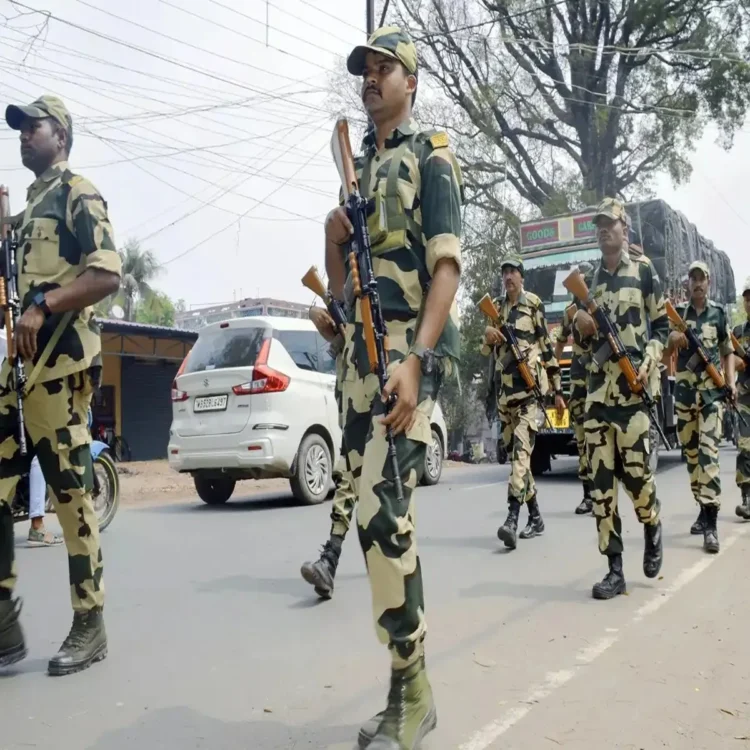
The issue gained attention after Congress MP Manickam Tagore raised concerns about the government’s decision to bring the Bill to the Lok Sabha on Thursday, coinciding with a scheduled visit by Leader of Opposition Rahul Gandhi to Assam for previously announced election rallies.
Opposition Questions Timing of Bill
Tagore alleged that the timing of the Bill’s introduction was not incidental. According to him, the move appeared to limit the opportunity for a comprehensive debate in Parliament, particularly in the absence of key opposition voices.
He argued that such an approach undermines parliamentary discussion, especially on legislation that directly impacts Central Armed Police Forces (CAPF) personnel. The Congress leader suggested that decisions of this scale should be subjected to wider scrutiny rather than expedited through the legislative process.
Concerns Over Parliamentary Debate
The Congress MP further stated that the Bill raises important constitutional and institutional questions. He pointed out that introducing it under circumstances where full participation from opposition members may not be possible could weaken democratic deliberation.
In his remarks, Tagore emphasized that legislation affecting the rights, service conditions, and dignity of security personnel deserves detailed examination. He maintained that avoiding debate could set an undesirable precedent for future parliamentary proceedings.
Provisions of the CAPF Bill
The proposed legislation outlines a structured approach to appointments within the CAPFs. It specifies that 50 percent of Inspector General-level posts will be filled through deputation. Additionally, at least 67 percent of Additional Director General posts are to be filled through deputation, while all positions at the level of Special Director General and Director General will be exclusively filled through deputation.
These provisions have become a focal point of criticism, particularly from opposition leaders who argue that they may affect career progression opportunities for officers within the forces.
Previous Passage in Rajya Sabha
The Bill was cleared in the Rajya Sabha a day earlier, though the process was marked by a walkout by opposition members. During the debate, several MPs expressed concerns that the Bill may conflict with a 2025 Supreme Court ruling.
The court had earlier recommended a gradual reduction in deputation posts within CAPF cadres up to the Senior Administrative Grade over a defined period. Opposition leaders claim that the current Bill does not align with that direction and could potentially override judicial guidance.
Government Defends the Legislation
Responding to the criticism, Minister of State for Home Affairs Nityanand Rai defended the Bill in Parliament. He stated that the legislation is aimed at improving administrative efficiency and addressing inconsistencies in service rules and cadre management.
According to Rai, the Bill seeks to streamline appointment processes and create a more coordinated structure within the forces. He also asserted that the proposed changes would strengthen the overall security framework of the country and enhance operational effectiveness.
The minister rejected claims that the Bill undermines the federal structure, instead arguing that it contributes to better coordination between different levels of administration.
Broader Political Reactions
Other opposition leaders also voiced their concerns. Congress MP Pramod Tiwari accused the government of compromising the rights of CAPF personnel, while Shiv Sena leader Priyanka Chaturvedi claimed that the proposed changes could create divisions within the police forces.
These reactions reflect a broader political divide over the Bill, with the opposition calling for greater transparency and debate, and the government maintaining that the legislation is necessary for administrative reform.
Ongoing Debate Likely in Lok Sabha
As the Bill moves to the Lok Sabha, it is expected to trigger further discussion on issues such as deputation policies, institutional balance, and adherence to judicial recommendations. The debate is likely to focus not only on the provisions of the Bill but also on the process through which it is being introduced.
The outcome of this discussion will be closely watched, given its potential impact on both governance structures and the functioning of India’s security forces.