
Safe Return Amid Uncertainty: Indian Nationals Reach Home After Exiting Iran
Safe Return Amid Uncertainty: Several Indian nationals safely returned to India late Friday after departing Iran amid rising security concerns and widespread unrest. Their arrival at Indira Gandhi International Airport marked the end of an anxious period for both the returnees and their families, many of whom had endured days of uncertainty due to limited communication and rapidly changing conditions abroad. The evacuation followed official advisories issued by the Government of India and the Indian Embassy, urging citizens to leave Iran as the situation there became increasingly volatile.
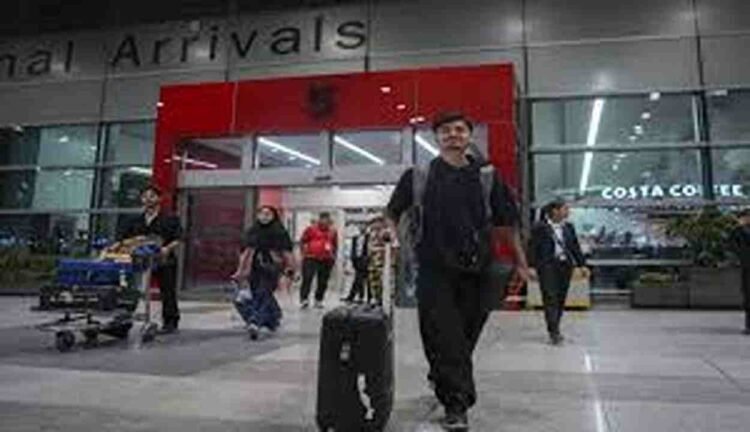
The Ministry of External Affairs confirmed that it is closely monitoring developments in the region and reiterated its commitment to safeguarding the interests and well-being of Indian citizens overseas. The return operation was coordinated through timely alerts, logistical support, and guidance provided to those affected, ensuring that as many people as possible could travel back using available commercial routes.
Growing Anxiety as the Situation Deteriorated
For many of the returnees, the last few weeks in Iran were marked by mounting fear and uncertainty. What initially seemed manageable soon turned into a stressful daily reality as protests intensified and public life became unpredictable. Several individuals shared that restrictions on movement, sudden gatherings, and road disruptions made even routine activities risky.
One returnee explained that although their stay in Iran had been planned for a longer duration, the environment changed rapidly. Public demonstrations began appearing without warning, and travel within cities became difficult. The sense of insecurity was compounded by the fact that information was scarce and often unreliable during the peak of the unrest.
Communication Blackouts and Isolation
A major concern repeatedly highlighted by returnees was the prolonged internet shutdown. With digital communication blocked, many Indians in Iran were unable to contact their families or access official updates. This sudden isolation increased stress levels, especially for students, pilgrims, and short-term visitors who were unfamiliar with local conditions.
Several people shared that for days they could not send messages or make calls, leaving their families in India deeply worried. In some cases, relatives only learned about their loved ones’ safety once they landed back home. The lack of communication also made it difficult to coordinate departures independently, increasing reliance on official advisories and embassy assistance.
Relief and Gratitude on Arrival
At the airport, scenes of relief and emotion unfolded as families reunited. Relatives waited through the night, some carrying flowers, others silently offering prayers. The moment of arrival brought visible comfort after days of fear fueled by news reports and unanswered phone calls.
Family members expressed gratitude for the efforts made to facilitate the return. Many acknowledged that without timely guidance and coordinated arrangements, bringing people back during such uncertain conditions would have been far more difficult. The safe return restored a sense of normalcy and reassurance for families who had been living with constant worry.
Role of Advisories and Official Support
The Indian Embassy had earlier advised all Indian citizens in Iran, including students, business professionals, tourists, and pilgrims, to leave the country using available transport options. These advisories were based on assessments of the evolving security environment and aimed at minimizing risk to civilians.
In addition, authorities in New Delhi issued guidance discouraging non-essential travel to Iran until further notice. Citizens were also urged to avoid large gatherings and protest sites. These precautionary measures played a key role in ensuring that people acted early, before conditions worsened further.
Background of the Unrest
The unrest in Iran escalated following economic pressures that triggered protests in several parts of the country. Demonstrations initially began in key commercial areas and later spread nationwide. Factors such as inflation, unemployment, currency depreciation, and shortages of basic utilities contributed to public dissatisfaction.
As protests grew, authorities imposed restrictions, including limits on internet access, to control the situation. These measures, while aimed at maintaining order, significantly affected foreign nationals who depended on digital communication for safety updates and contact with their families.
Looking Ahead
The return of Indian nationals from Iran highlights the importance of preparedness, timely advisories, and coordinated diplomatic efforts during international crises. It also underscores the emotional toll such situations take on families separated by borders and uncertainty.
For now, advisories remain in force, and citizens are encouraged to stay informed through official channels. The safe return of those affected stands as a reminder of the value of proactive planning and international support mechanisms during times of instability.