
RuralEmployment – Government Sets Rs 95,000 Crore for New Rural Jobs Scheme
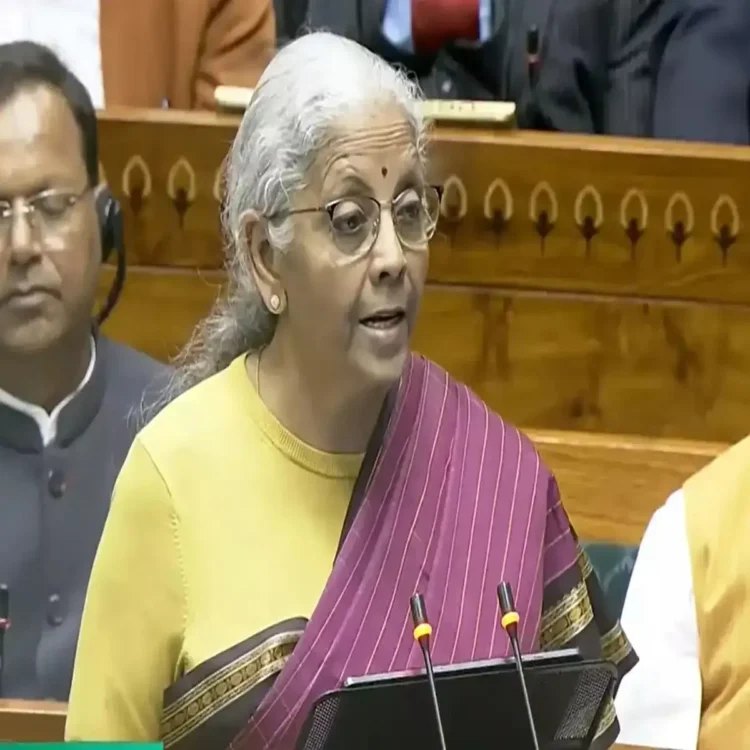
RuralEmployment – The Union government has earmarked Rs 95,000 crore for the upcoming VB-G RAM G rural employment programme beginning April 1, even though the legislation replacing the Mahatma Gandhi National Rural Employment Guarantee Act (MGNREGA) has not yet formally come into force. Finance Minister Nirmala Sitharaman announced the allocation during a discussion in the Lok Sabha on the second batch of supplementary demands for grants, indicating that the government is preparing financially for the shift to the new rural employment framework.
Transition from MGNREGA Still Underway
While the budgetary allocation has been announced, the administrative process required to move from MGNREGA to the new VB-G RAM G system is still ongoing. Earlier this week, Minister of State for Rural Development Kamlesh Paswan informed Parliament that the Rural Development Ministry is currently drafting the detailed rules that will guide the transition.
According to the minister, these rules are necessary to ensure that the change from the long-running MGNREGA programme to the new framework takes place in an orderly and structured manner. The government has yet to formally notify the VB-G RAM G Act, 2025, which was introduced to replace the two-decade-old employment guarantee scheme.
Budget Allocation for the New Scheme
During her address in the Lok Sabha, Sitharaman said the upcoming financial year’s budget already includes Rs 95,000 crore for the new employment programme. She explained that once the Finance Bill is passed and the new financial year begins on April 1, this amount will be available for the scheme’s implementation.
In addition to the new allocation, the government has also made provisions to settle outstanding liabilities under MGNREGA. The second batch of supplementary demands for grants includes Rs 30,000 crore specifically aimed at clearing pending dues accumulated under the existing scheme until March 31, 2026.
Officials say the additional funding is meant to ensure that workers and states do not face financial uncertainty while the country transitions to the revised employment programme.
Political Exchange Over Rural Employment Funding
The issue of rural employment funding also triggered a political exchange in Parliament. During the debate, Sitharaman criticised opposition parties, accusing them of raising concerns about allocations despite the government making substantial provisions for the programme.
She argued that the opposition frequently claims the government has reduced funding for rural job schemes, while ignoring the allocations being made through the new framework. According to the finance minister, the Rs 95,000 crore provision demonstrates that the government continues to prioritise rural employment.
The remarks came amid broader parliamentary discussions about funding priorities and welfare programmes for rural communities.
States Seek Clarity on Implementation
Even as the government prepares to launch the new programme, several state governments have sought clearer guidelines on how the scheme will function. State administrations have asked for detailed information about implementation procedures, funding norms, and the distribution of financial allocations among states.
Officials from some states have said that clarity on “normative allocations” is essential for planning labour budgets and rural development projects under the new system. Without these details, state governments say it becomes difficult to estimate how much employment can realistically be generated in each region.
What the New Scheme Promises
The VB-G RAM G framework is expected to expand employment opportunities in rural areas by increasing the guaranteed number of workdays. According to the government, the new programme will offer up to 125 days of work annually for eligible rural households, compared with the 100-day guarantee under MGNREGA.
The proposal aims to strengthen livelihood support in villages while encouraging the creation of durable rural assets. However, the full structure of the programme, including wage payments, work categories, and administrative mechanisms, will become clearer once the government finalises the transition rules.
For now, the allocation of funds signals that the government intends to move ahead with the new system in the upcoming financial year, even as policy details continue to be developed.