
Rights – Delhi High Court Seeks Centre’s Reply on Transgender Law Challenge
Rights – The Delhi High Court has asked the Union government to respond to multiple petitions questioning the validity of the Transgender Persons (Protection of Rights) Amendment Act, 2026.
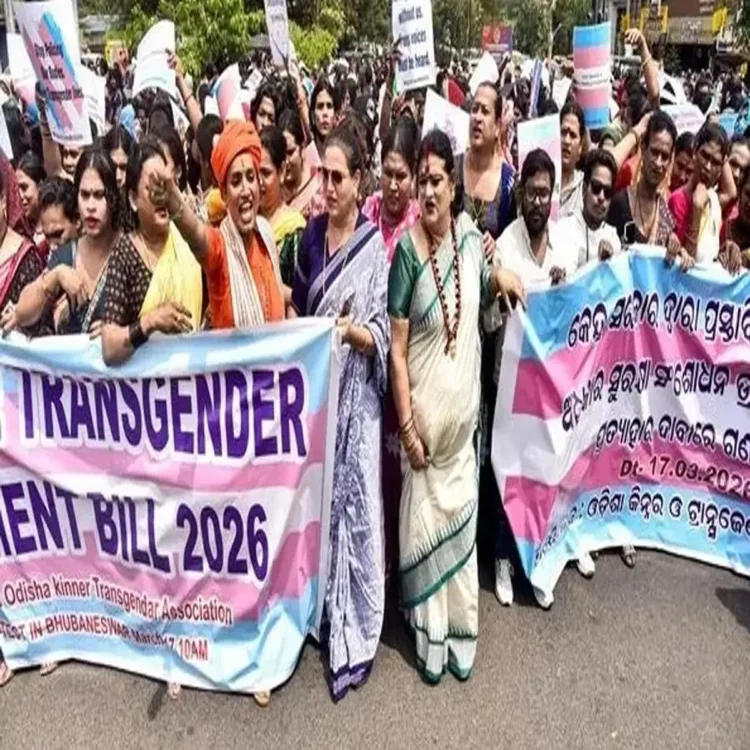
The court on Wednesday issued a formal notice to the Centre, directing it to file its response by July 22, which has been set as the next date of hearing. The matter arises from a group of petitions arguing that the amended law undermines the principle of self-identification for transgender individuals.
Court Examines Concerns Over Gender Identity Provisions
A division bench led by Chief Justice D K Upadhyaya and Justice Tejas Karia took up the petitions that question the constitutional validity of the 2026 amendment. Petitioners have contended that the revised provisions impose restrictions on how individuals define and express their gender identity.
According to the arguments presented, the amendment introduces limitations that may interfere with personal autonomy, particularly in matters of self-recognition. The petitioners have described the law as excessive and lacking proportionality, raising concerns about its broader implications on individual freedoms.
Petitioners Cite Violation of Fundamental Rights
One of the key points raised in court is the alleged violation of Article 19(1)(a) of the Constitution, which guarantees freedom of speech and expression. Petitioners argue that gender identity is a core aspect of personal expression and that any restriction on it directly affects this fundamental right.
Chandresh Jain, one of the petitioners, told the court that the amended law weakens the concept of self-perceived gender identity. He maintained that the earlier framework allowed individuals to determine their identity without external interference, while the new provisions appear to introduce additional barriers.
Government’s Rationale for the Amendment
The Centre had earlier defended the amendment by stating that the definition of transgender persons under the 2019 law was too broad. Officials argued that this lack of clarity made it difficult to identify those who were genuinely in need of protection under the legislation.
The 2026 amendment, according to the government, aims to address this issue by refining the criteria and ensuring that benefits reach the intended beneficiaries. However, critics believe that this approach risks excluding individuals who may not meet the revised definitions but still face discrimination.
Debate Over Balance Between Clarity and Rights
The case has brought into focus a larger debate about how laws should balance administrative clarity with individual rights. While the government’s position emphasizes the need for precise definitions, petitioners insist that such clarity should not come at the cost of personal freedom.
Legal experts note that the outcome of this case could have a significant impact on how gender identity is understood and protected within the legal system. The court’s decision will likely address whether the amendment aligns with constitutional principles or requires reconsideration.
Next Steps in the Legal Process
With the Centre now required to submit its response, the case is expected to move into a more detailed phase of arguments. The court will examine both the intent behind the amendment and its practical consequences for transgender individuals.
The next hearing, scheduled for July 22, will be crucial in determining the direction of the case. Until then, the petitions remain under consideration as the court evaluates the constitutional questions raised.