
RailwayExpansion – Major Cities to Double Train Capacity by 2030
RailwayExpansion – India’s railway network is preparing for a significant expansion as rising passenger demand continues to strain existing infrastructure. Union Railway Minister Ashwini Vaishnaw has announced that the capacity of major cities to originate trains will need to double within the next five years to keep pace with sustained growth in travel demand.
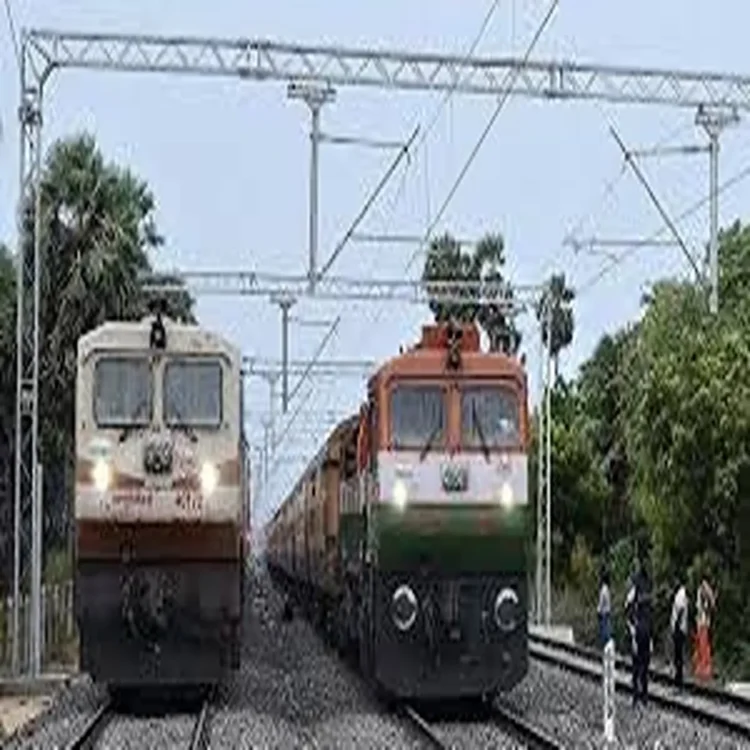
The proposal aims to strengthen the system’s ability to handle increasing passenger volumes while improving operational efficiency across urban centers.
Capacity Upgrade Plan for 48 Major Cities
According to the minister, a comprehensive strategy is being formulated for 48 major cities across the country. The goal is to systematically enhance the ability of these cities to handle more originating trains by 2030.
This plan will outline projects that are already sanctioned, currently underway, or proposed for future implementation. The upgrades are intended to ensure that rail infrastructure keeps up with population growth, economic expansion, and increased intercity and suburban travel.
Expanding Terminals and Operational Facilities
A key component of the expansion involves upgrading existing railway terminals. This includes adding more platforms, increasing stabling lines for train parking, expanding pit lines for maintenance, and improving shunting facilities to streamline train movement within stations.
In addition to upgrading present terminals, railway authorities are also identifying locations for new terminals in and around urban areas. These new facilities are expected to ease congestion at major hubs and distribute traffic more evenly.
The development and maintenance of mega coaching complexes will also play an important role. These complexes will help manage train maintenance and preparation activities more efficiently, supporting higher traffic volumes.
Boosting Sectional Capacity and Signalling Systems
Beyond terminal expansion, the Railways plans to improve sectional capacity — the ability of tracks between stations to handle more trains. This will involve multi-tracking projects, traffic facility upgrades, and advanced signalling systems.
By modernizing signalling infrastructure and increasing track capacity, railway officials aim to reduce bottlenecks and improve punctuality. These improvements are considered essential to managing the expected rise in train operations over the coming years.
Balanced Development Around Key Stations
While enhancing terminal capacity, surrounding stations will also be upgraded to maintain operational balance. The minister cited Pune as an example, where capacity enhancement plans extend beyond the main station.
Stations such as Hadapsar, Khadki, and Alandi are being considered for development alongside platform expansion and additional stabling lines at Pune station. This coordinated approach is designed to prevent congestion from shifting to nearby stations as main hubs expand.
Separate Focus on Suburban and Non-Suburban Traffic
The expansion strategy will address both suburban commuter services and long-distance, non-suburban trains. Officials recognize that these two segments have distinct operational needs, and planning will reflect those differences.
Suburban networks often require higher-frequency services with rapid turnaround times, while long-distance routes demand different maintenance and scheduling considerations. The comprehensive plan aims to accommodate both efficiently.
Phased Implementation with Clear Timelines
Although the overall objective is to double train-handling capacity by 2030, the expansion will be rolled out in phases. Actions have been categorized into immediate, short-term, and long-term initiatives, each with defined timelines and measurable outcomes.
Vaishnaw indicated that capacity improvements will begin progressively over the next five years, allowing passengers to benefit from infrastructure upgrades even before the 2030 target is fully achieved.
Nationwide Coordination Across Railway Zones
The initiative is not limited to specific cities. Each Zonal Railway has been instructed to assess and enhance train-handling capacity across its divisions. This includes addressing operational constraints at stations and yards while improving track capacity between key sections.
By taking a coordinated nationwide approach, the Railways aims to strengthen connectivity, reduce congestion, and support economic growth through more reliable and efficient passenger services.
Officials believe that expanding coaching terminals, upgrading signalling systems, and increasing sectional capacity will collectively modernize the railway network and better serve the country’s growing travel demand.