
Rahul Gandhi : Urges Citizens to Speak Up on India’s Air Pollution Crisis
Rahul Gandhi : The Leader of Opposition in the Lok Sabha, Rahul Gandhi, has called on citizens across India to come forward and share their personal experiences of how air pollution has affected their lives or the health of their loved ones. Emphasizing that the issue can no longer be ignored or delayed until the next winter season, he underlined the urgent need for public participation to address what he described as a growing national crisis impacting health, livelihoods, and the economy.
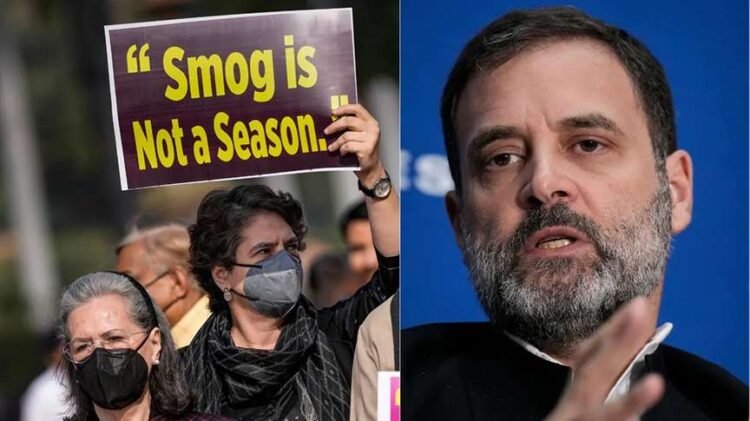
Call for Public Participation Through Digital Platform
In a message shared on the social media platform X, Rahul Gandhi urged people to make their voices heard through an online initiative called Awaz Bharat Ki. According to him, this platform has been created to ensure that ordinary citizens can directly communicate their concerns, experiences, and suggestions related to air pollution. The initiative is hosted on his official website and is designed to collect real stories from across the country, reflecting the everyday struggles caused by poor air quality.
Health and Economic Impact of Air Pollution
Rahul Gandhi highlighted that air pollution is exacting a heavy toll on the nation, both in terms of public health and economic productivity. He stated that millions of Indians suffer daily due to polluted air, with children and elderly citizens being the most vulnerable. Long-term exposure to hazardous air has been linked to respiratory illnesses, cardiovascular diseases, and reduced immunity, placing additional strain on families and healthcare systems. Beyond health, he pointed out that economic activity is also affected, as reduced outdoor work and illness-related absences hurt productivity.
Impact on Workers and Daily Livelihoods
A significant concern raised in his statement was the impact of air pollution on livelihoods, particularly for construction workers and daily wage earners. These workers often have no choice but to remain outdoors for long hours, exposing themselves to toxic air on a regular basis. Poor air quality can lead to frequent illness, reduced workdays, and long-term health complications, pushing vulnerable communities deeper into economic insecurity.
Purpose of Awaz Bharat Ki Initiative
As explained on Rahul Gandhi’s official website, Awaz Bharat Ki is an initiative aimed at providing a structured channel for citizens to communicate directly with his office. The platform allows individuals to share personal stories, policy suggestions, and ground-level realities related to air pollution and other public concerns. The objective, according to the initiative, is to ensure that policymaking reflects the real experiences of people rather than remaining limited to official reports and statistics.
Alarming Air Quality Levels in the National Capital
The urgency of Rahul Gandhi’s appeal comes amid worsening air quality conditions in the national capital. Earlier this month, air quality levels in Delhi entered the severe category, raising alarms among health experts and environmental authorities. According to data released by the Central Pollution Control Board, the Air Quality Index crossed dangerous thresholds, indicating air that is unsafe for prolonged exposure.
Rising Health Concerns Across Age Groups
Persistent high pollution levels have intensified health concerns, especially for children, elderly citizens, and individuals already suffering from respiratory or cardiovascular conditions. Doctors have warned that continued exposure to severe air pollution can aggravate asthma, bronchitis, and heart-related ailments. Schools, families, and healthcare providers have been forced to take precautionary measures, highlighting the widespread disruption caused by deteriorating air quality.
Need for Immediate and Collective Action
By urging citizens to share their stories now rather than waiting for another seasonal spike, Rahul Gandhi stressed the importance of sustained attention on the issue. He described public participation as the first step toward meaningful change, suggesting that collective voices can push authorities toward stronger environmental policies and enforcement. His appeal reflects a broader call for accountability and long-term solutions to combat air pollution across India.