
PropertyRights – Jharkhand High Court Upholds Senior Citizens’ Home Ownership
PropertyRights – The Jharkhand High Court has reaffirmed that elderly parents cannot be compelled to endure harassment inside homes they built with their own earnings.
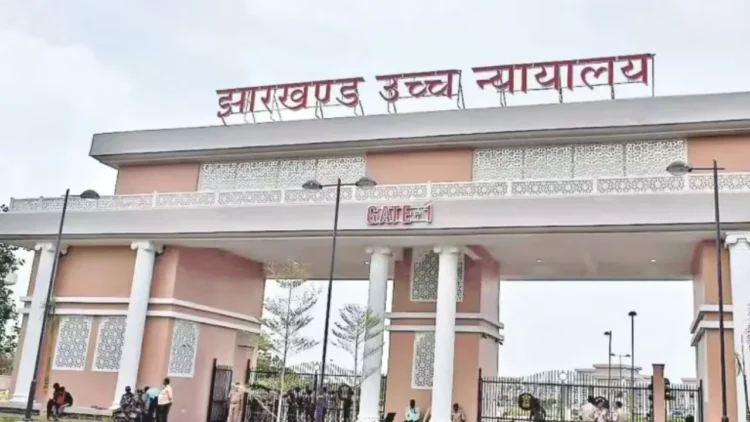
Court Backs Elderly Couple in Ramgarh Dispute
In a notable judgment, the Jharkhand High Court ruled that adult children have no automatic right to stay in property solely owned by their parents if their presence causes mental or physical distress. The court emphasized that self-acquired property remains under the complete control of the senior citizens who purchased or constructed it.
The order came during the hearing of a petition filed by Lakhan Lal Poddar, 75, and his wife Uma Rani Poddar, 72, residents of Ramgarh district. The couple alleged that their son Jitendra Poddar and daughter-in-law Ritu Poddar subjected them to harassment and disrupted their peaceful living within their own residence.
Deputy Commissioner’s Order Set Aside
Justice Rajesh Kumar, while delivering the verdict, struck down a decision issued by the Ramgarh Deputy Commissioner earlier this year. The Deputy Commissioner had overturned a 2022 directive of the Sub-Divisional Magistrate (SDM), which had asked the son and daughter-in-law to vacate the house.
The High Court restored the earlier direction of the SDM, stating that the administrative authority had erred in reversing the eviction order. According to the court, the property in question was undeniably the couple’s self-acquired asset, giving them exclusive rights over its use and occupation.
Inheritance Does Not Mean Immediate Ownership
The bench made an important observation regarding inheritance rights. It clarified that a legal heir’s claim to parental property arises only in the future and does not grant present ownership or residency rights while the parents are alive.
The court underlined that the concept of inheritance cannot be used as a basis for occupying property against the wishes of its lawful owners. In situations where cohabitation becomes strained or hostile, the law is designed to safeguard the dignity and well-being of elderly individuals.
Maintenance Act Invoked by Petitioners
The Poddar couple had initially approached the Sub-Divisional Magistrate in 2022 under the Maintenance and Welfare of Parents and Senior Citizens Act. After examining their complaint, the SDM on November 23, 2022, ordered the son and daughter-in-law to vacate the premises.
Challenging that directive, the son and daughter-in-law moved an appeal before the Deputy Commissioner. On February 23, 2024, the Deputy Commissioner ruled in their favour and set aside the SDM’s order, allowing them to continue residing in the house.
Unhappy with this outcome, the elderly couple approached the High Court seeking relief. The High Court’s latest decision has now reinstated the eviction directive, offering legal backing to their plea for peaceful residence.
Law Favors Dignity and Security of Seniors
In its ruling, the court observed that elderly parents cannot be forced to tolerate abuse within their own homes. If living together becomes unworkable due to harassment or mistreatment, the rights of senior citizens must take precedence.
The judgment reinforces the protective intent of the Maintenance Act, which aims to ensure financial security and dignified living conditions for older persons. It also sends a broader message that self-acquired property cannot be claimed by children as a matter of right during the lifetime of their parents.
Legal experts note that the ruling strengthens the position of senior citizens seeking protection from domestic discord and clarifies the limits of inheritance claims while property owners are still alive.
The decision is expected to guide similar disputes involving senior citizens property rights, particularly in cases where elderly parents face harassment from family members within their own homes.