
Politics – Speaker Urges Discipline Ahead of Key Women’s Reservation Session
Politics – Lok Sabha Speaker Om Birla has called on Members of Parliament to maintain decorum and respect the sanctity of the House as preparations begin for a crucial three-day parliamentary session. The upcoming session is expected to focus on legislative changes aimed at implementing a 33 percent reservation for women in the Lok Sabha and state assemblies.
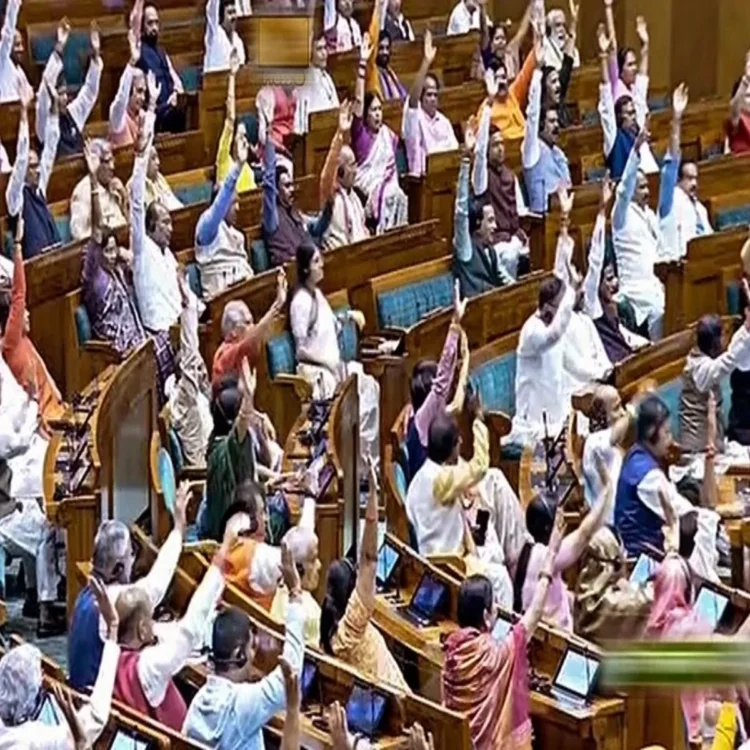
Appeal for Orderly Conduct in Parliament
Addressing concerns over recent disruptions, Birla stressed the importance of responsible behaviour within the Parliament complex. He urged MPs to avoid bringing placards, raising slogans, or using language that could undermine parliamentary traditions. According to him, such practices weaken the dignity of democratic institutions and send the wrong message to the public.
Birla noted that these instructions have been formally communicated through official channels, including parliamentary bulletins, and have also been discussed extensively with representatives of political parties. He added that there has been broad agreement among members on the need to curb such conduct and preserve the integrity of proceedings.
Established Procedures and Legislative Planning
The Speaker clarified that while MPs are free to express their views, the responsibility for setting the legislative agenda lies with the government. He explained that the schedule for the session has already been proposed for specific dates, and further discussions will take place within the Business Advisory Committee, which includes members from across the political spectrum.
He emphasized that this consultative process has long been a part of parliamentary functioning, ensuring that all parties have an opportunity to contribute to discussions while maintaining an organized legislative framework.
Focus on Women’s Representation
A central agenda of the session will be the implementation of the Nari Shakti Vandan Act, which seeks to enhance women’s participation in governance. The proposed amendments aim to ensure that one-third of seats in legislative bodies are reserved for women, with implementation targeted for the 2029 general elections.
Birla highlighted the growing role of women across various sectors, including science, technology, and public administration. He pointed out that in many states, women already hold between 33 percent and 50 percent of positions in local governance bodies such as panchayats and municipal corporations.
According to him, the next logical step is to increase women’s presence in higher levels of decision-making, including Parliament and state legislatures. He noted that there has been widespread political consensus on this issue, reflecting a shared commitment to strengthening inclusive governance.
Government’s Position on the Bill
Prime Minister Narendra Modi also reiterated the importance of advancing women’s representation in legislative institutions. He described the move as essential for making democracy more inclusive and participatory. The Prime Minister warned that delaying the implementation of such reforms would be a missed opportunity for the country.
The Union Cabinet has already approved a draft amendment to facilitate the rollout of the reservation policy. This amendment is expected to play a key role in ensuring that the provisions of the law are effectively implemented in future elections.
Legislative Significance and Broader Impact
The Constitution (One Hundred and Sixth Amendment) Act, 2023, widely known as the Nari Shakti Vandan Adhiniyam, marks a significant step in institutionalizing gender representation in Indian politics. The law предусматривает rotational reservation of seats for women in the Lok Sabha and state legislative assemblies, including Delhi.
Experts believe that this measure could reshape the political landscape by encouraging greater participation of women in policymaking and governance. It is also expected to influence policy priorities, bringing more attention to issues affecting women and communities at large.
As Parliament prepares to deliberate on these changes, the emphasis remains on conducting discussions in a disciplined and constructive manner. The outcome of the session could have long-term implications for democratic representation in India.