
Politics – Key Bills and Party Moves Shape Parliament Agenda
Politics – Union Minister Kiren Rijiju has indicated that the second phase of the Budget Session, scheduled from March 9 to April 2, is expected to be particularly significant. According to him, the government plans to introduce several important pieces of legislation, including what he described as a “critical bill.” His remarks have prompted fresh discussions in political circles about the possible introduction of the proposal seeking simultaneous national and state elections.
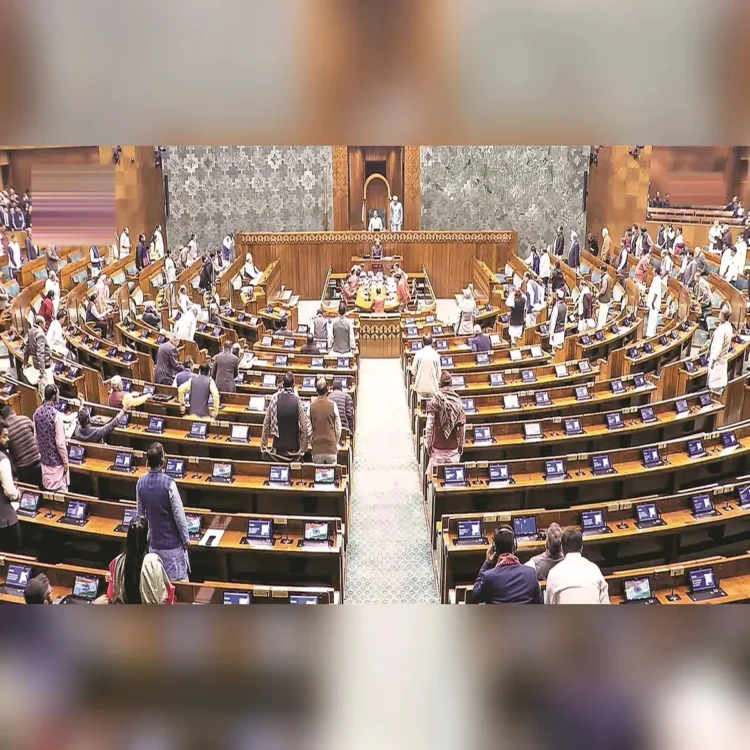
Debate Intensifies Over Simultaneous Elections Proposal
Speculation has grown that the government may move forward with the Constitution (One Hundred and Twenty-Ninth Amendment) Bill, 2024, which proposes holding Lok Sabha and state Assembly elections at the same time. The idea, often referred to as One Nation One Election, aims to streamline the electoral cycle across the country.
However, the Joint Parliamentary Committee tasked with reviewing the draft legislation has not yet submitted its findings. Consultations with stakeholders are still underway. During discussions before the panel, former Chief Justice B R Gavai stated that simultaneous elections would not infringe upon the basic structure of the Constitution or disturb India’s federal framework. His remarks have added weight to the ongoing debate, though political parties continue to assess the wider implications of such a shift.
Bihar Congress Faces Organisational Reset
In Bihar, the Congress party is preparing for substantial internal changes following a disappointing performance in the recent Assembly elections. Party sources suggest that the central leadership is considering a restructuring of the state unit in an effort to regain lost ground.
The current Bihar in-charge, Krishna Allavaru, along with Pradesh Congress Committee chief Rajesh Ram, are likely to be replaced. Rahul Gandhi is understood to have advocated a comprehensive organisational overhaul. Discussions are underway about appointing a new state committee and possibly a working president to strengthen coordination within the party.
National observers have begun reviewing district-level committees, while efforts are also being made to build new communication and research teams. Party leaders believe that these steps could help restore confidence among workers and improve the Congress’s electoral prospects in the state.
UGC Regulations Stir Political Calculations
New regulations issued by the University Grants Commission have triggered reactions in several quarters, including among sections of the general-category electorate. Online platforms have seen active debate, prompting concern within the Bharatiya Janata Party.
Party leadership has reportedly advised its Members of Parliament to engage directly with students, particularly young women, to address concerns and explain the rationale behind the rules. While some BJP leaders privately acknowledge the sensitivity of the issue, many have refrained from public criticism.
The situation presents a delicate balance, as the party seeks to retain support across social groups. Observers note that the response to the UGC guidelines could influence voter perceptions, especially in states where caste equations remain central to political strategy.
BJP Organisation Awaiting Structural Changes
Two months after Nitin Nabin assumed charge as the BJP’s national president, anticipated changes within the party’s organisational structure are yet to be announced. There had been expectations of a reshuffle, particularly in the media and communication wings, to strengthen the party’s outreach against Opposition narratives.
Most central office-bearers continue in their existing roles. Party insiders say consultations are ongoing at the national headquarters, and adjustments could be unveiled soon. There is talk of bringing in new faces with stronger public engagement while phasing out leaders who have struggled to make an impact. Senior members acknowledge that a refreshed team could sharpen the party’s messaging ahead of upcoming electoral contests.
Akhilesh Yadav and Chandrashekhar Azad Meeting Draws Attention
In Uttar Pradesh, political developments are being closely tracked with the Assembly elections less than a year away. A recent meeting in New Delhi between Samajwadi Party chief Akhilesh Yadav and Member of Parliament Chandrashekhar Azad, who has emerged as a prominent Dalit voice, has sparked discussion about possible political realignments.
The interaction is being viewed as significant, given the evolving social equations in the state. Analysts suggest that any understanding between the two leaders could reshape electoral strategies and present new challenges for both the ruling BJP and the Bahujan Samaj Party led by former Chief Minister Mayawati.
At the same time, different parties appear to be recalibrating their outreach efforts toward various social groups, including Dalits and upper castes. With political activity intensifying, Uttar Pradesh is once again poised to play a pivotal role in shaping the national political landscape.