
Parliament – Opposition Targets Speaker Om Birla During Heated Lok Sabha Debate
Parliament – Congress leader K. C. Venugopal on Wednesday launched a sharp criticism of Lok Sabha Speaker Om Birla, alleging that the Speaker was functioning under pressure from the government led by Prime Minister Narendra Modi. Speaking during a discussion on a resolution seeking Birla’s removal, Venugopal argued that the Speaker’s conduct in recent parliamentary proceedings had raised serious concerns among opposition members.
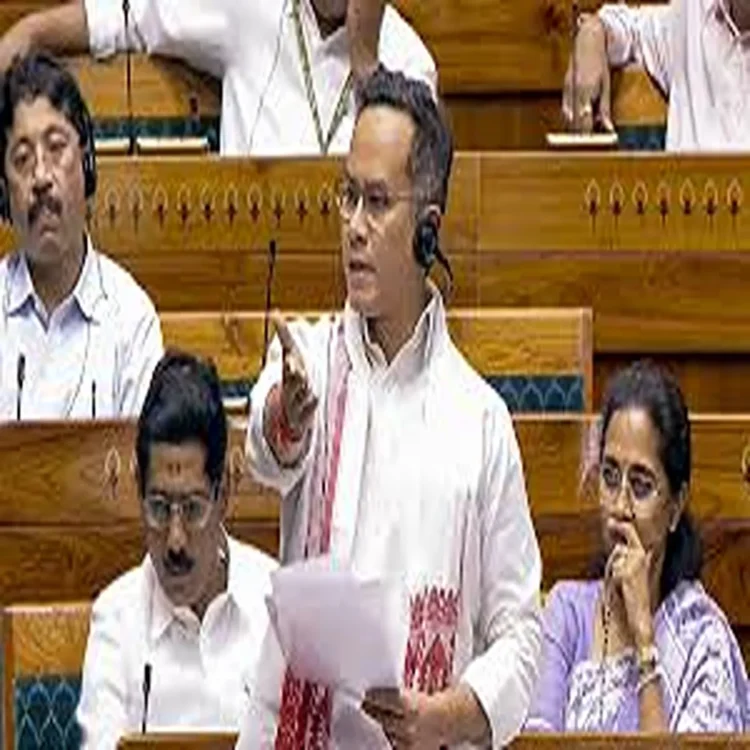
The Congress leader claimed that the independence expected from the Speaker’s office had been compromised and that parliamentary traditions were not being followed in the way they should be.
Allegations Regarding Remarks About Women MPs
During his speech, Venugopal strongly objected to remarks attributed to the Speaker concerning women Members of Parliament. According to him, Birla had suggested he possessed “concrete information” indicating that some Congress MPs might attempt an unexpected action near the seating area of the prime minister.
Venugopal described the comment as deeply irresponsible and defamatory. He said such statements could damage the reputation of elected representatives, particularly women MPs, and questioned why such an allegation had been made without evidence being publicly presented.
He insisted that parliamentary debate should remain respectful and based on facts rather than speculation.
Questions Over Prime Minister’s Absence in Debate
Another issue raised by the Congress leader was the prime minister’s absence during the debate on the Motion of Thanks to the President’s Address. Venugopal argued that the explanation offered by the Speaker regarding the prime minister’s non-participation appeared to be a justification created by the government.
According to him, the Speaker should have ensured greater accountability from the executive during such an important parliamentary discussion. Venugopal maintained that the opposition expected the prime minister to directly address the House, particularly during debates connected to the President’s speech.
He said the Speaker’s explanation did not adequately address the concerns raised by opposition members.
Claims of Unequal Opportunity to Speak
Venugopal also alleged that Leader of Opposition Rahul Gandhi had been repeatedly prevented from speaking in the House. He pointed out that parliamentary convention typically allows the Leader of Opposition to present views without unnecessary interruption.
He claimed that whenever opposition members attempted to raise points of order, they were frequently denied permission, while members from the ruling party were allowed to speak without similar restrictions.
However, Dilip Saikia, who was presiding over the proceedings at that moment, rejected the allegation. Saikia stated that Rahul Gandhi had in fact been allowed to respond earlier to a remark made by BJP member Ravi Shankar Prasad.
Concerns Raised on Foreign Policy and Economic Decisions
During his address, Venugopal also criticised the government’s approach to certain international and economic matters. Referring to reports that the United States had permitted India to continue purchasing Russian oil for a limited period, he questioned the implications of such statements.
He asked why another country should appear to determine India’s energy choices and argued that the government should respond firmly to protect national economic interests. According to Venugopal, the opposition wanted to raise these issues in Parliament but had faced obstacles in doing so.
No-Confidence Motion and Wider Political Message
Venugopal stated that the opposition was aware that it lacked the numbers to succeed in removing the Speaker. Nevertheless, he said the resolution was brought forward to defend what he described as the fundamental rights of Members of Parliament.
He also made a personal remark about Birla, saying that while the Speaker might not have any personal issue with the opposition, external pressures were influencing his decisions. Venugopal alleged that government leaders frequently intervened in matters concerning parliamentary functioning.
Exchange Over Historical Leaders
Towards the end of his speech, Venugopal also referred to remarks by members of the ruling alliance who had praised India’s first prime minister, Jawaharlal Nehru, during the debate. He noted that the same leaders had criticised Nehru during earlier parliamentary sessions.
In a lighter moment, he commented that political positions can change with time and suggested that one day the ruling side might also praise Rahul Gandhi. The remark drew smiles from members present in the House, including Gandhi himself.