
Mumbai : Civic Polls See Dip in Voter Participation Amid Uneven Turnout Across Wards
Mumbai: The recent civic elections in Mumbai recorded a voter turnout of 52.94 percent, reflecting a noticeable decline compared to the 55.53 percent turnout witnessed during the previous municipal elections held in 2017. The figures were officially released after the completion of polling and final verification by the city’s election authorities. Voting took place across the metropolis in a largely peaceful manner, though participation levels varied sharply between different areas, highlighting contrasting civic engagement patterns within India’s financial capital.
Ward-Wise Turnout Highlights
Data released by the municipal administration showed significant variation in turnout across wards. Ward number 114 in the suburban area of Bhandup reported the highest voter participation at 64.53 percent, indicating strong local engagement. In contrast, ward number 227 in the Colaba area of south Mumbai registered the lowest turnout at just 20.88 percent. These figures underline the persistent gap between suburban and elite urban localities when it comes to participation in local governance elections.
Overall Voting Numbers and Time Window
Out of more than 1.03 crore eligible voters across Mumbai, slightly under 53 percent exercised their voting rights during the designated polling hours. Voting began at 7.30 am and continued until 5.30 pm, giving citizens a full ten-hour window to cast their ballots. Despite this extended timeframe and the declaration of a public holiday, overall participation did not match the levels seen in the previous election cycle.
Declaration of Final Turnout
The final voter turnout was declared more than 15 hours after polling concluded. The delay was attributed to the consolidation of data from hundreds of polling booths spread across the city. The Brihanmumbai Municipal Corporation, which conducted the election, confirmed that all figures were verified before being made public. Officials emphasized that transparency and accuracy were prioritized in the final announcement.
Vote Counting Schedule and Arrangements
Election officials confirmed that the counting of votes would commence at 10 am at 25 designated counting centers across Mumbai. Extensive security arrangements and administrative preparations were put in place to ensure a smooth counting process. Authorities stated that counting centers were equipped with adequate staff and monitoring systems to maintain order and credibility throughout the process.
Hourly Voting Trends During the Day
The turnout pattern throughout the day showed a gradual and steady rise. By 9.30 am, only 6.98 percent of voters had cast their ballots, reflecting a slow start in the early morning hours. Participation increased to 17.73 percent by 11.30 am and rose further to 29.96 percent by 1.30 pm. By 3.30 pm, the turnout had reached 41.08 percent, indicating that a significant number of voters preferred to vote later in the day rather than early morning.
Crowd Movement at Polling Stations
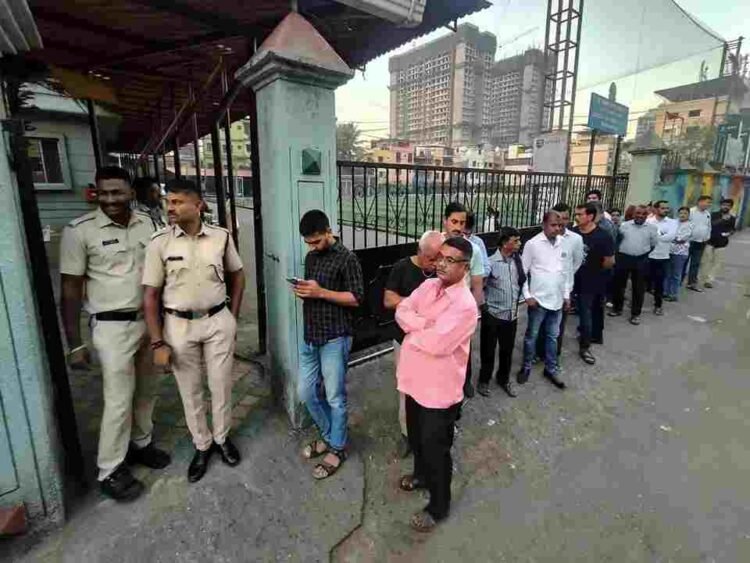
Polling stations across the city witnessed varying crowd patterns. In the early hours, most booths reported short queues and minimal waiting time. As the day progressed, particularly around midday, several polling stations experienced longer lines, resulting in increased waiting periods for voters. During the afternoon and evening, crowds were generally moderate, allowing the voting process to proceed smoothly without major disruptions.
Turnout in Affluent and Residential Areas
In several upscale localities of south Mumbai, polling stations reported sparse crowds throughout the day. Despite the availability of time and infrastructure, voter enthusiasm in these areas remained subdued. Observers noted that this trend has been consistent in past civic elections, where affluent neighborhoods often show lower participation compared to middle-class and densely populated areas.
Workplace Flexibility and Voter Access
Although polling day was declared a public holiday, many private sector employees still had work commitments. To address this, several companies offered flexible time windows, allowing staff to step out during working hours to vote. Election officials and civic groups acknowledged this effort but noted that workplace flexibility alone may not be sufficient to significantly boost turnout without greater civic awareness.
Participation in Slum-Dominated Localities
Political party representatives reported a steady flow of voters in slum-dominated areas from the early hours of polling. In many residential localities, turnout improved notably in the afternoon, particularly when women voters came out after completing household responsibilities. This trend once again highlighted the role of daily routines and social factors in influencing voting behavior.
Political Importance of the Election
The election to the 227-member Brihanmumbai Municipal Corporation holds considerable political and administrative significance. The civic body governs India’s richest municipal corporation, with an annual budget of approximately Rs 74,400 crore. The polls were conducted after a prolonged gap, as the term of the previous elected body ended in March 2022. With nearly 1,700 candidates contesting, the election has been viewed as a crucial political contest with implications beyond local governance