
Maharashtra : Municipal Elections Enter Crucial Phase as Vote Counting Begins
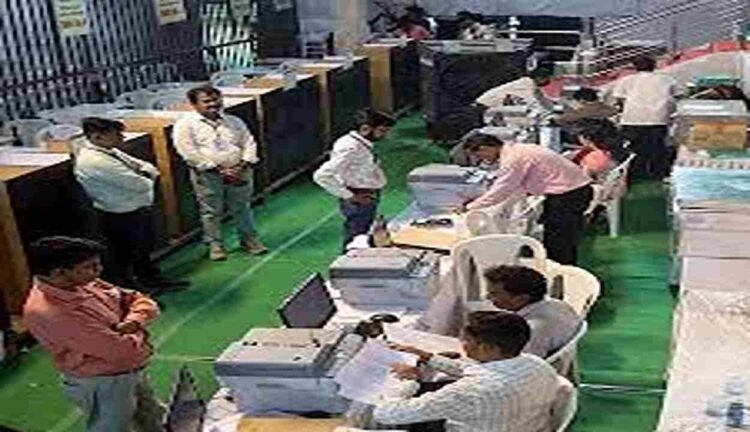
Maharashtra: The counting of votes for the Maharashtra municipal corporation elections officially began on Friday morning, marking a decisive moment for local governance in the state. Polling concluded peacefully on Thursday evening across 29 civic bodies, setting the stage for results that are expected to have a significant impact on Maharashtra’s political landscape. Early indicators, including exit polls, have suggested a strong performance by the BJP-led Mahayuti alliance, although final outcomes will only be clear once counting is complete.
Background of the Civic Polls
These elections were conducted for some of the most influential urban local bodies in Maharashtra. Major municipal corporations such as the Brihanmumbai Municipal Corporation, Pune Municipal Corporation, and Pimpri-Chinchwad Municipal Corporation went to the polls. The civic polls are considered a key indicator of public sentiment ahead of future state and national elections, as municipal bodies directly affect daily urban life through governance, infrastructure, and public services.
Voting Process and Security Arrangements
Voting began at 7.30 am under tight security arrangements and concluded at 5.30 pm. Election officials ensured that polling stations were adequately staffed and monitored to prevent any disruption. According to officials, the overall polling process remained largely peaceful, with no major untoward incidents reported across the state. However, in Mumbai, some voters raised concerns that the indelible ink applied after voting could be easily wiped off, prompting discussions around polling integrity.
Voter Turnout Across Key Cities
By 3.30 pm on polling day, the overall voter turnout across Maharashtra ranged between 46 and 50 percent, as confirmed by State Election Commissioner Dinesh Waghmare. Kolhapur recorded the highest voter participation at 50.85 percent, reflecting strong civic engagement. Chhatrapati Sambhajinagar followed with 43.67 percent, while Nagpur registered 41.23 percent turnout. Mumbai saw 41.08 percent participation, Nashik recorded 39.64 percent, and Pune reported the lowest turnout among major cities at 36.95 percent. These figures highlight varying levels of voter enthusiasm across urban centers.
Political Significance for Major Parties
The elections hold particular importance for the Shiv Sena, as this marks its first Brihanmumbai Municipal Corporation election since the 2022 party split. Following the split, Eknath Shinde broke away with a majority of legislators and retained the party name and symbol. For over 25 years, the undivided Shiv Sena had controlled the BMC, which is widely regarded as the richest civic body in the country. The current contest is therefore seen as a test of political influence and organizational strength in Mumbai.
Focus on the Brihanmumbai Municipal Corporation
The spotlight remains firmly on the BMC, where 1,729 candidates are contesting 227 seats. Given the corporation’s massive budget and administrative reach, control over the BMC is often viewed as politically strategic. Municipal Commissioner and District Election Officer Bhushan Gagrani stated that elaborate arrangements were made to ensure a smooth, transparent, and timely counting process. These arrangements included comprehensive security deployment, traffic management plans, and law-and-order measures across counting centers.
Counting Infrastructure and Workforce Deployment
For Mumbai alone, 23 Returning Officers were appointed to oversee counting in all 227 wards. Strong rooms and counting centers were approved jointly by the Public Works Department and the Police Department to maintain security and transparency. A total of 2,299 officers and staff were deployed for the counting exercise, including 759 supervisors, 770 assistants, and 770 Class IV employees. Officials confirmed that all personnel underwent prior training to ensure procedural accuracy and efficiency during counting.
Access Control and Transparency Measures
Entry to counting centers has been strictly regulated. Only authorized candidates, their official representatives, and accredited media personnel carrying valid identity cards issued by the Election Department are permitted inside. Authorities have emphasized that adherence to guidelines issued by the Maharashtra State Election Commission is mandatory for all stakeholders. These measures aim to maintain credibility, prevent misinformation, and uphold democratic norms during the counting process.
Allegations and Democratic Concerns
Amid the counting process, allegations of irregularities have surfaced from opposition leaders. Uddhav Thackeray has raised concerns, describing the situation as a serious blow to democratic values. Such claims have added a layer of political tension, underscoring the high stakes involved in the civic elections.
As counting progresses across the state, attention remains focused on the final results and their implications for Maharashtra’s political future. The outcomes are expected to redefine power equations within urban local bodies and influence broader political strategies in the months ahead.