
LPG – India Activates Emergency Measures to Safeguard Household Cooking Fuel Supply
LPG – India has taken urgent steps to strengthen the production of liquefied petroleum gas after concerns emerged about potential supply disruptions linked to tensions in the Middle East. Using emergency provisions, the government has directed domestic oil refiners to increase LPG output in order to ensure that household cooking fuel remains available across the country.
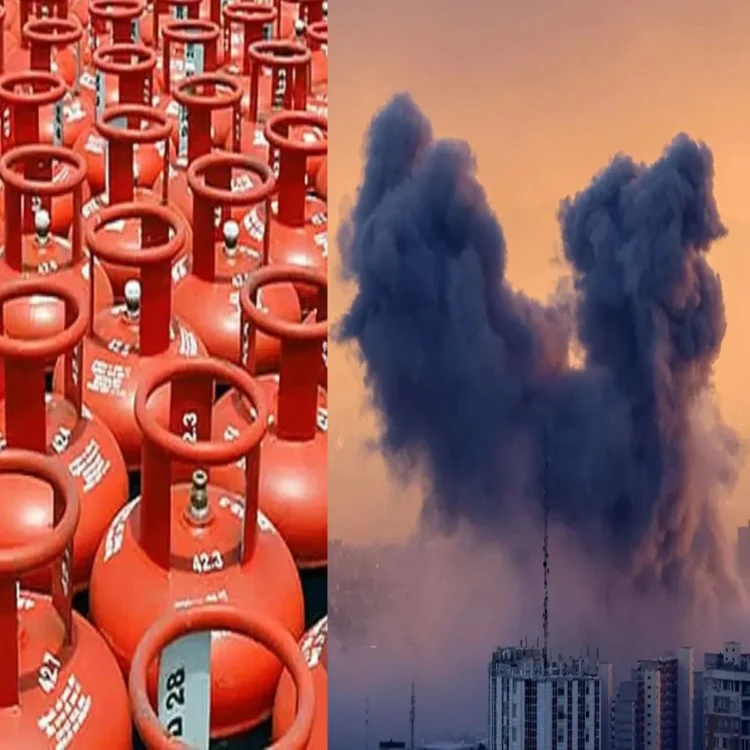
An official directive issued late Thursday instructed refiners to maximise the use of propane and butane, the two key components used to produce LPG. Authorities believe that raising domestic production will help cushion the country against possible disruptions in international shipments, particularly from regions that supply the majority of India’s imports.
Government officials say the move is aimed at preventing any supply pressure that could affect millions of households dependent on LPG for everyday cooking.
Domestic Production Push to Reduce Supply Risk
The directive specifically calls on refiners to make the most efficient use of available propane and butane reserves to boost LPG production levels. These two gases are the primary ingredients used to produce the cooking fuel distributed throughout the country.
India relies heavily on imports to meet its LPG requirements. Data shows that the country consumed around 33.15 million metric tonnes of LPG last year, making it the world’s second-largest importer of the fuel. Domestic production meets only part of this demand, which is why global supply conditions play a major role in maintaining stable availability.
With ongoing geopolitical tensions in the Middle East raising concerns about potential disruptions in energy supply chains, the government has moved proactively to strengthen domestic output before shortages could develop.
Ensuring Uninterrupted Supply for Millions of Households
Authorities have also instructed producers and suppliers to ensure that LPG, propane and butane are readily available for distribution to state-run refining companies. These include Indian Oil Corporation, Hindustan Petroleum Corporation and Bharat Petroleum Corporation, which collectively manage a large share of the country’s LPG supply and distribution network.
Ensuring adequate supplies for these refiners is considered crucial because they are responsible for distributing cooking gas cylinders to households across urban and rural areas. Any interruption in supply could affect millions of families that rely on LPG as their primary cooking fuel.
India currently has roughly 332 million active LPG consumers. The size of this consumer base highlights how critical it is for the government to maintain uninterrupted supply, especially during periods of uncertainty in global energy markets.
Impact on Petrochemical and Fuel Blending Industries
While the emergency directive aims to secure LPG availability, it may also have consequences for other segments of the energy and petrochemical industry. Propane and butane are not only used for cooking fuel production but also serve as key inputs in various petrochemical processes.
Industry analysts say that diverting larger quantities of these gases toward LPG production could lead to a decline in the manufacturing of alkylates. Alkylates are an important component used in blending gasoline and are produced by several companies, including Reliance Industries.
According to industry estimates, Reliance exported approximately four shipments of alkylates each month last year. A shift in feedstock allocation toward LPG could reduce the availability of raw materials for such operations.
Restrictions on Petrochemical Use of Propane and Butane
The government has also instructed refiners not to allocate propane and butane for petrochemical production during this period. Instead, these inputs should be prioritised for LPG manufacturing to maintain sufficient cooking fuel supply.
Market observers note that this policy could have financial implications for petrochemical producers. Products such as polypropylene and alkylates often fetch higher prices in international markets compared with LPG. As a result, companies may experience narrower profit margins if a larger share of their feedstock must be redirected toward LPG production.
However, officials indicate that safeguarding household energy access remains the government’s immediate priority.
Balancing Energy Security and Industrial Demand
Energy experts say the government’s move reflects a broader effort to balance domestic energy security with industrial output during uncertain global conditions. By boosting LPG production early, authorities hope to maintain stable distribution to consumers even if international supply chains face disruptions.
For now, refiners are expected to adjust production strategies in line with the directive while monitoring global market developments.