
Logistics – Life Inside Truck Cabins That Keep India’s Highways Moving
Logistics – Inside the cabin of a cargo truck parked along a busy freight yard, the soft click of an old cassette player breaks the silence. Moments later, the familiar voice of legendary singer Mukesh fills the small space. Behind the wheel sits 58-year-old Raja Kumar, a long-distance truck driver who has spent more than three decades travelling India’s highways. With a light smile, he taps the steering wheel and glances at his co-driver. For Kumar, the songs have become a constant companion during endless hours on the road, often feeling closer than family members who live far away.
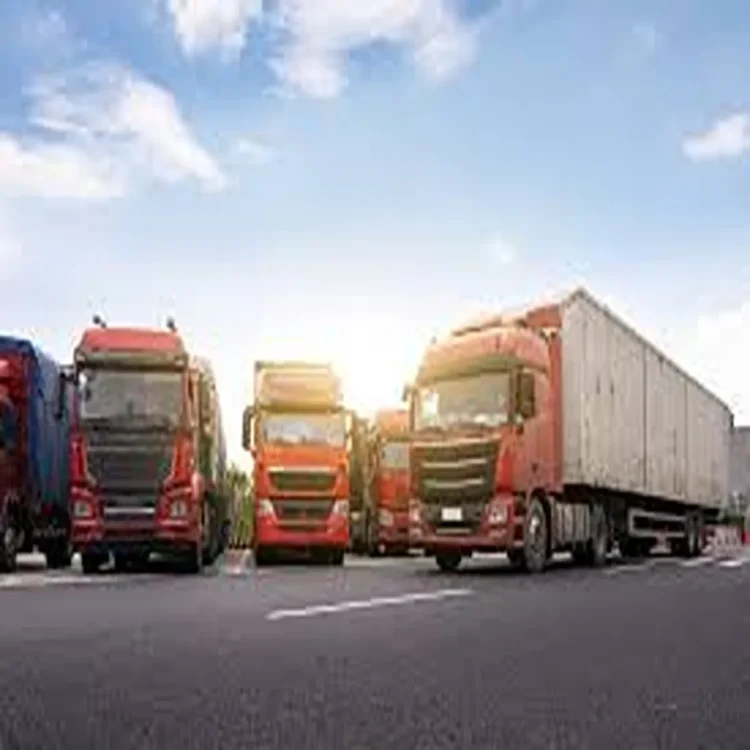
A mobile workplace that powers the economy
For thousands of drivers across the country, a truck cabin is not just a workplace but also a temporary home. These drivers form the backbone of India’s freight movement, transporting essential goods across thousands of kilometres while most people sleep. Their work quietly sustains industries, markets and cities, yet their lives remain largely unseen.
Within these compact spaces, drivers create routines that help them cope with isolation and long journeys. Music, films and brief conversations with fellow drivers become important parts of daily life. These small comforts help them endure weeks away from home while navigating demanding schedules and challenging road conditions.
Evenings at a transport hub
As dusk settles over Sanjay Gandhi Transport Nagar, one of Delhi’s largest trucking hubs, the roadside slowly fills with parked trucks. Between two and three thousand vehicles pass through the area each day, turning the locality into a bustling logistics hub.
During the evening break, drivers gather near tea stalls, sharing cups of chai and casual conversation. Some light beedis while others exchange stories about the road ahead. The gatherings rarely last long, but they provide a brief pause before drivers resume journeys that stretch hundreds or even thousands of kilometres.
Films and streaming ease the long journey
Kumar works for a freight company that transports textiles, metal sheets, cement and other industrial materials across the country. His regular route follows National Highway 44 between Delhi and Bengaluru, a round trip that usually takes around ten days. Each completed journey brings him an income of roughly twenty to twenty-five thousand rupees.
To make the long stretches easier, Kumar often watches classic films starring Amitabh Bachchan, including Don and Zanjeer. In recent years, digital streaming has also become part of his routine. He occasionally watches Hindi television shows on his mobile device while resting at roadside stops.
According to him, films offer a temporary escape from the demanding highway environment. When a movie begins, he says, the road fades into the background and the journey feels shorter.
Music offers calm during demanding drives
Not far from Kumar’s truck, another driver, 55-year-old Sameer Muhammad, spends his rest time listening to the timeless songs of Mohammed Rafi. With nearly twenty-five years of driving experience, Muhammad frequently travels the busy Delhi–Mumbai freight corridor while working for a major courier logistics company.
For him, music provides calm after hours of concentration behind the wheel. When exhaustion sets in, he lowers the volume, draws the curtain inside the cabin and rests while the songs continue softly in the background.
Younger drivers embrace digital entertainment
The experiences of younger drivers reveal a changing culture within the trucking community. Ajeet Yadav, 28, has been driving for about five years and often travels the challenging mountain roads between Delhi and Shimla. The narrow and winding terrain demands constant attention.
Unlike older drivers who rely mainly on classic music, Yadav prefers digital entertainment. He frequently listens to Haryanvi rap songs and watches the latest Bollywood releases on his phone during breaks. For him, these distractions help relieve the mental pressure that comes with navigating steep mountain highways.
Distance from family remains the greatest challenge
Despite these routines, the emotional toll of long-distance driving remains significant. Many drivers spend weeks away from their families. Kumar’s wife and two sons live in a village in Uttar Pradesh, and he speaks with them every evening whenever phone connectivity allows.
The calls, he says, help him stay connected to home while he continues travelling across the country’s highways. Whenever schedules permit, he returns to the village for short visits.
Other drivers share similar feelings. Muhammad often thinks about his wife and children in Aligarh, while Yadav says he misses friends and his partner who live in Rajasthan.
Physical strain and daily pressures
Years of driving also bring physical challenges. Kumar says long hours behind the wheel often lead to back pain, knee discomfort and stiffness in the hands. Apart from health issues, drivers sometimes face unofficial expenses at state borders, which reduce their earnings.
Even with these difficulties, most drivers continue the profession because it is the livelihood they know best.
Resilience on the open road
Late at night, the transport hub slowly returns to motion. Drivers finish their tea, pack simple meals for the journey and start their engines. Headlights cut through the darkness as trucks move one by one onto the highway.
Kumar climbs back into his vehicle, preparing for another long trip to Bengaluru. As the cassette begins playing once again, familiar music fills the cabin. For the next several days, the road, the songs and his co-driver will remain his closest companions.
Across India’s highways, thousands of drivers follow similar routines every night, keeping goods moving while carrying their own stories of endurance, solitude and determination.