
Law – Delhi High Court Denies Bail in Marriage Deceit Case
Law – The Delhi High Court has ruled that a man cannot avoid criminal prosecution merely by later refusing to marry a woman on the grounds of horoscope incompatibility, especially after allegedly engaging in a physical relationship based on assurances of marriage.
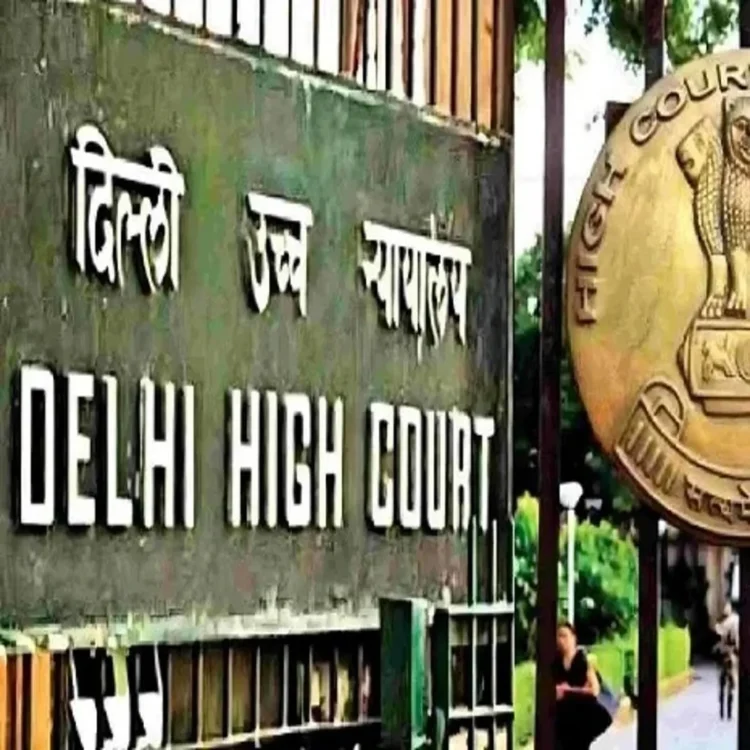
Court Observes Prima Facie Deceit in Promise of Marriage
Justice Swarana Kanta Sharma made the observation while rejecting the bail plea of an accused who has been in judicial custody since January 4. The court noted that the man had allegedly developed a physical relationship with the complainant over a prolonged period after repeatedly assuring her that there were no barriers to their marriage, including compatibility of their kundalis.
According to the order dated February 17, the woman initially filed a complaint in November 2025. However, she withdrew it after the accused and his family allegedly reaffirmed their commitment to the marriage. The situation changed when the man later refused to proceed with the wedding, citing a mismatch in horoscopes.
The court observed that, at this stage of the proceedings, the accused’s conduct would attract the offence defined under Section 69 of the Bharatiya Nyaya Sanhita, which deals with sexual intercourse obtained through deceitful means.
Bail Plea Based on Consensual Relationship Argument
In seeking bail, the accused argued that the case did not amount to rape on a false promise of marriage because the relationship between the two adults was consensual. He contended that they had known each other for nearly eight years and that the dispute arose only after the relationship deteriorated.
The defence maintained that criminal law should not be invoked simply because a personal relationship fails or a proposed marriage does not materialise. It was argued that the matter reflected a breakdown of mutual understanding rather than an instance of deception.
Court Differentiates Between Failed Relationship and Deception
The High Court, however, found that the circumstances suggested more than just a relationship turning sour. Justice Sharma remarked that while it is settled law that every failed relationship does not constitute a criminal offence, the present case appeared to stand on a different footing at this preliminary stage.
The order emphasised the sequence of events, particularly the earlier complaint and its withdrawal based on assurances of marriage. The court took note of the allegation that the accused was aware of his family’s insistence on horoscope matching but nonetheless continued to assure the complainant that there were no such obstacles.
The judge observed that the later refusal to marry on grounds of kundali mismatch, despite earlier representations to the contrary, prima facie raised doubts about the genuineness of the promise. Such circumstances, the court said, could fall within the scope of sexual intercourse through deceitful means as defined under the new criminal code.
Legal Implications Under Bharatiya Nyaya Sanhita
Section 69 of the Bharatiya Nyaya Sanhita addresses situations where consent for sexual relations is allegedly obtained by misleading or fraudulent assurances. The High Court clarified that the present observations are limited to the bail stage and do not amount to a final determination of guilt.
By declining bail, the court signalled that allegations involving promises of marriage must be examined carefully when there are claims that consent was influenced by assurances that later proved to be false. The decision underscores that citing cultural or familial objections, such as horoscope incompatibility, may not automatically shield an accused from prosecution if the initial promise is found to be deceptive.
The matter will proceed before the trial court, where evidence will be evaluated in detail. For now, the High Court’s order reinforces that the distinction between a failed relationship and criminal deception depends on the specific facts and conduct of the parties involved.