
LabourCodes – Trade Unions Announce Nationwide Black Day Protest April One
LabourCodes – A coalition of central trade unions and several workers’ federations has called for a nationwide observance of “Black Day” on April 1, urging employees across sectors to register their opposition to the four labour codes introduced by the Union government. The protest comes just a day before the Centre is expected to move ahead with notifying rules for implementing these codes.
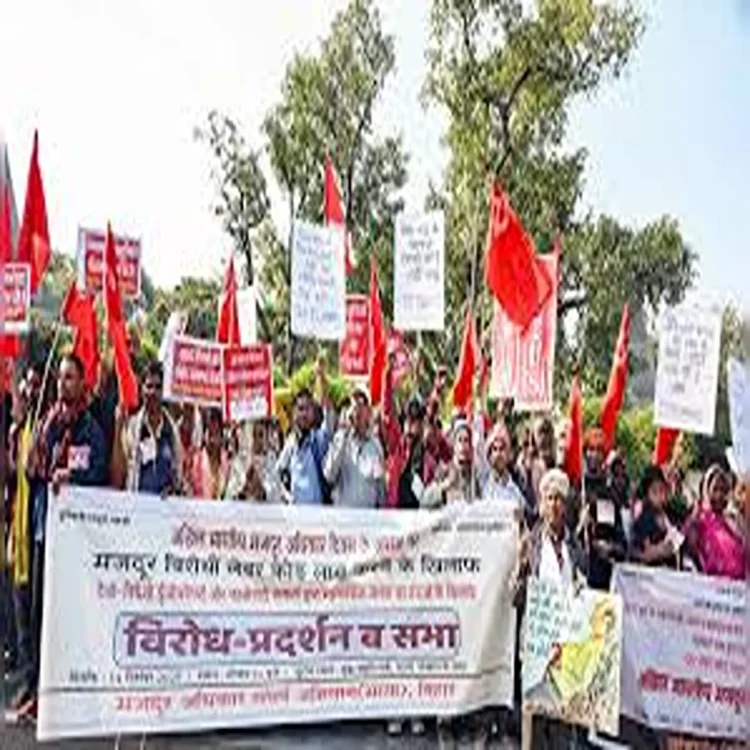
Unions Intensify Opposition Ahead of Implementation
In a joint communication shared with the media, the participating organisations reiterated their long-standing resistance to the labour codes. They argue that the proposed changes tilt heavily in favour of employers while weakening protections for workers. According to the statement, the reforms have been promoted under the banner of improving the business environment, but unions believe they undermine fundamental labour rights.
The groups also expressed disappointment that the government has not engaged in what they describe as meaningful dialogue. Even after a large-scale general strike held earlier this year, unions claim their concerns remain unaddressed.
Diverse Forms of Protest Planned Nationwide
The April 1 demonstrations are expected to take place in multiple formats, depending on decisions made by state-level units and affiliated organisations. Workers have been encouraged to wear black badges or armbands at their workplaces as a symbol of dissent.
In addition, unions plan to organise slogan-shouting sessions during lunch breaks, as well as dharnas and processions in areas where such gatherings are feasible. Some regions are also preparing for cycle and motorcycle rallies to draw wider public attention to the issue.
Concerns Over Worker Rights and Union Activities
Trade unions have raised several objections to the structure and provisions of the labour codes. One of the key concerns is the perceived tightening of rules around forming and registering unions, which they say could make collective organisation more difficult.
At the same time, they argue that provisions allowing easier deregistration could weaken existing unions. The statement also highlights apprehensions about reduced legal consequences for employers in cases of violations, alongside stricter penalties for union leaders and activities.
Debate Over Working Hours and Flexibility
Another major point of contention is the flexibility in determining working hours. Union representatives claim that the absence of clearly defined limits could lead to longer working hours, potentially placing additional pressure on employees. They fear this could result in imbalanced employer-employee relationships if not carefully regulated.
Broad Coalition of Organisations Joins Movement
The protest call has brought together a wide spectrum of labour organisations from across the country. Among those participating are prominent national trade union bodies, workers’ associations, and farmer groups. This collective action reflects a broader alignment of interests among different sections of the workforce.
Leaders from these organisations have indicated that the April 1 protest is intended not only as a demonstration of dissent but also as a call for renewed dialogue with the government. They continue to demand a reconsideration of the labour codes and seek greater consultation in shaping labour policies.
Government Yet to Respond to Latest Call
As of now, there has been no immediate response from the government regarding the planned protests. However, with the proposed implementation date approaching, the issue is likely to remain at the centre of national attention in the coming days.
Observers note that the scale and spread of the protests could influence future discussions around labour reforms, especially if participation is widespread across industries and regions.