
Karnataka News: Expanded Menstrual Leave Policy Halted by Karnataka HC, New Hearing Held Today
Karnataka News: The state government’s recent attempt to broaden the scope of menstruation vacation for female workers was halted by the Karnataka High Court on Tuesday. After the court questioned whether stakeholders were engaged prior to the order’s issuance, a stay was granted on a notice dated November 20. The interim order was issued by Justice Jyoti Mulimani.
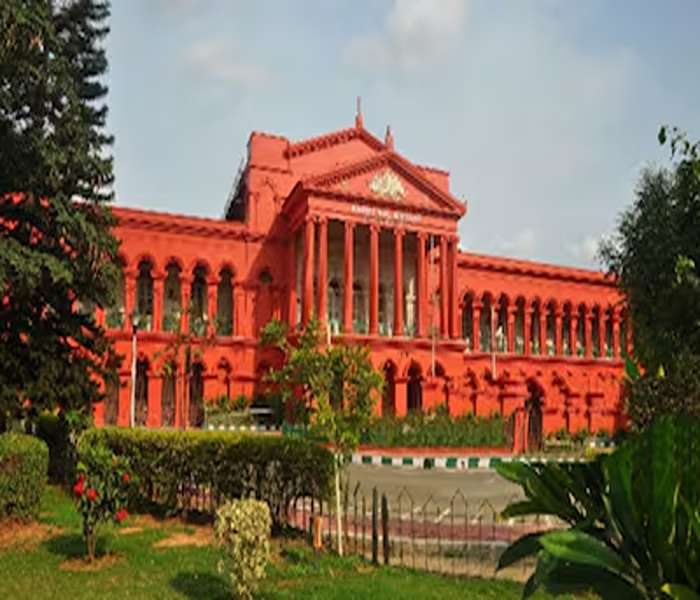
Advocate General Shashikiran Shetty asked the court to reevaluate granting the stay, and the case will be heard again on Wednesday.
November Notification of the Petitions Challenge
The Bangalore Hotels Association and Avirata Connectivity Systems filed petitions that brought the dispute before the court, according to an Indian Express story. Claiming to represent over 1,500 businesses, the Hotels Association had petitioned the court to revoke the notice, citing a breach of Article 14. Additionally, it requested a temporary stay, claiming that the government had overreached its legal authority.
The petition claims that the government ought to have sent out an initial notice asking impacted industries to submit concerns. The Association said that a broader public consultation was not conducted and that concerns were solely gathered via the labor commissioner.
The petition further contended that there are no provisions in the laws listed in the notification requiring employers to provide menstrual leave, including the Factories Act, the Karnataka Shops and Commercial Establishments Act, the Plantations Labour Act, the Beedi and Cigar Workers Act, and the Motor Transport Workers Act. It also said that amendments should be the sole way to implement such a change.
Examining Government Policy
In October, the state government authorized menstruation leave, granting female workers one paid leave day per month. According to ministers, comparable policies in Kerala, Odisha, and Bihar served as inspiration for the policy.
Industry groups, however, claimed that the regulation would inadvertently hurt women in the private sector and referred to it as “benevolent sexism.” Additionally, they pointed out that the government has not granted menstruation leave to its own workers, which raises questions about equity and consistency.