
Justice – Supreme Court Seeks Response on Rising False Criminal Cases Issue
Justice – The Supreme Court on Tuesday issued notices to the central government along with all states and Union Territories in response to a Public Interest Litigation highlighting the increasing misuse of the criminal justice system through false complaints and fabricated evidence. The matter raises serious concerns about how such practices may be affecting both individuals and the broader legal framework.
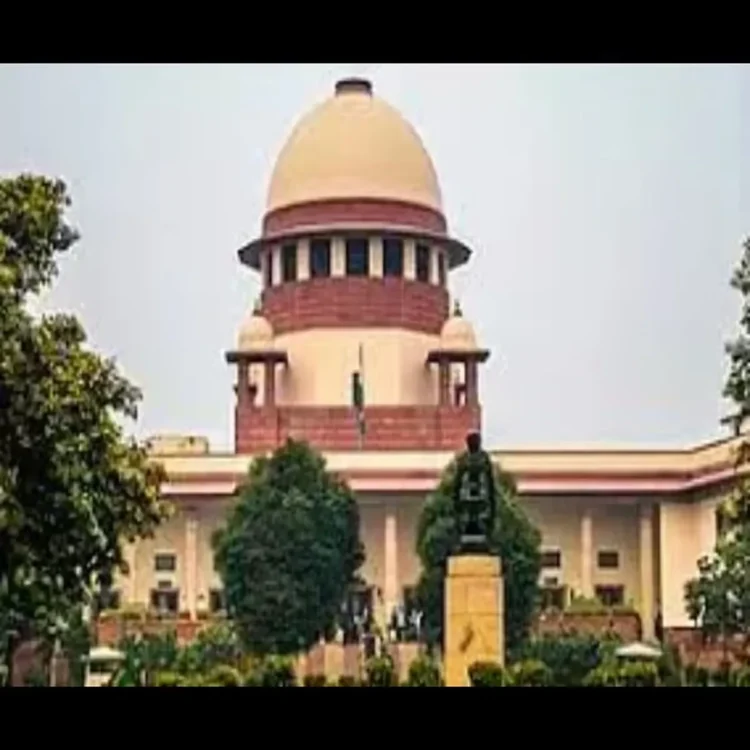
Court Takes Cognisance of Serious Allegations
A bench led by the Chief Justice of India, along with another senior judge, examined the petition filed by advocate Ashwini Kumar Upadhyay. After considering the arguments presented, the court decided to seek formal responses from all relevant authorities. The case is expected to be taken up again for further hearing around mid-May, as per available case records.
Legal Provisions Under Scrutiny
The petition points to certain provisions under the Bharatiya Nagarik Suraksha Sanhita, 2023, arguing that their current interpretation creates obstacles for victims seeking justice against false accusations. According to the plea, individuals affected by fabricated complaints cannot initiate legal action without prior court approval, which limits their ability to respond effectively.
It further argues that this interpretation has weakened several legal safeguards intended to punish those who submit false evidence or misleading information. As a result, the system is allegedly being exploited by individuals filing baseless cases.
Impact on Police and Judicial System
The petition highlights that law enforcement agencies are increasingly burdened with a surge in false First Information Reports. This situation, it claims, not only strains police resources but also contributes to an already overburdened judiciary. Courts are reportedly dealing with growing backlogs, partly due to cases that lack genuine merit.
Such misuse, the petitioner argues, leads to unnecessary delays in delivering justice, affecting both genuine complainants and those falsely accused.
Human and Social Consequences
Emphasising the human cost of such legal misuse, the petition references a tragic incident in Uttar Pradesh’s Fatehpur district, where a family allegedly took their own lives after facing threats of false criminal implication. The plea suggests that such cases underline the severe psychological and social impact of wrongful accusations.
It also notes that individuals falsely implicated often suffer long-term damage, including harm to their reputation, financial strain due to prolonged legal battles, and emotional distress.
Lack of Data Raises Concerns
Another key issue raised in the petition is the absence of detailed data regarding cases involving false complaints or perjury in official crime records. The lack of such information, it argues, reflects a gap in monitoring and addressing the misuse of legal provisions.
Without proper tracking, it becomes difficult to assess the scale of the problem or implement targeted reforms.
Call for Legal Interpretation Reform
The petitioner has urged the court to adopt a more practical and balanced interpretation of the relevant legal provisions. The plea seeks to allow victims of false accusations to initiate proceedings against offenders, subject to court approval, thereby ensuring accountability without compromising judicial oversight.
It also argues that the current legal position undermines the broader objectives of recent criminal law reforms, which aim to strengthen the rule of law and ensure timely justice.
Appeal for Safeguards Against Misuse
The petition concludes by stressing that unchecked misuse of criminal law poses a risk to fundamental rights. It calls on the Supreme Court to step in and introduce safeguards that prevent abuse of legal processes while protecting innocent individuals from malicious prosecution.
The outcome of this case could have significant implications for how the legal system addresses false complaints and maintains a balance between access to justice and prevention of misuse.