
Judiciary – Kerala High Court Backs Lokayukta Law Amendments With Safeguard
Judiciary – The Kerala High Court on Tuesday upheld the legality of the 2024 amendments to the state’s Lokayukta Act, offering relief to the ruling administration while setting a clear time-bound condition for action on reports.
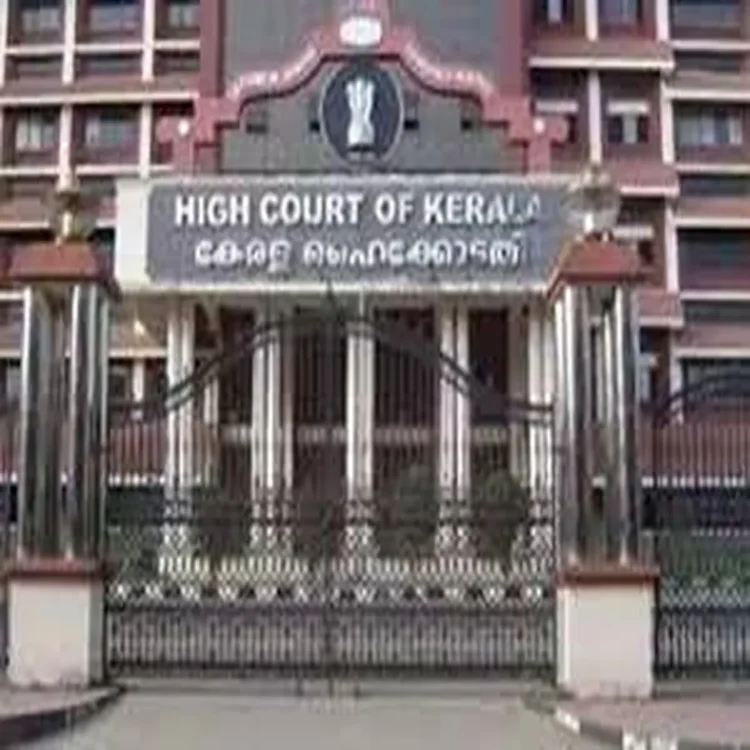
Court Upholds Amendments With Key Clarification
In a detailed judgment, a Division Bench led by Chief Justice Soumen Sen and Justice V.M. Syam Kumar dismissed a batch of petitions that had questioned the constitutional validity of the amended law. The challenge, spearheaded by senior Congress leader and MLA Ramesh Chennithala, argued that the changes undermined institutional independence and violated the principle of separation of powers.
However, the court found no constitutional infirmity in the amendments. At the same time, it introduced an important safeguard: if the designated authority does not act on a Lokayukta report within three months, the recommendations will automatically be treated as accepted.
Interpretation of Legal Provision
The Bench clarified that this three-month rule should be read into Section 12 of the Act, which governs how Lokayukta findings are submitted and acted upon. By doing so, the court ensured that inaction by authorities would not render the institution ineffective.
This interpretation is expected to address concerns that the amended law could lead to indefinite delays in implementing recommendations made by the anti-corruption body.
Background of the Amendments
The amendments were brought in by the second Pinarayi Vijayan-led government and had sparked widespread debate across political and legal circles. Critics had expressed concern that the changes weakened the Lokayukta by limiting its authority, particularly in matters related to recommending the removal of public officials found guilty of wrongdoing.
Opposition leaders argued that the institution was being reduced to an advisory body, lacking enforceable powers.
Key Changes Challenged in Court
The petitions highlighted alterations in several provisions, including Sections 2, 3, and 14 of the Act. One of the most debated changes involved shifting the authority to act on recommendations against the Chief Minister from the Governor to the State Legislative Assembly.
Similarly, in cases involving MLAs, the Speaker was designated as the competent authority. Petitioners contended that such changes concentrated decision-making power within the political establishment, raising concerns about impartiality.
Another amendment relaxed the eligibility criteria for appointing the Lokayukta. Earlier, the position required a former Chief Justice of a High Court, but the revised law allows any former High Court judge to be appointed.
Additionally, changes to Section 14 gave authorities greater discretion, enabling them to decide whether or not to act on Lokayukta recommendations.
Court Rejects Separation of Powers Argument
Despite these concerns, the High Court rejected the argument that the amendments infringed upon judicial authority. It accepted the state government’s position that the Lokayukta is not a judicial body and therefore cannot be granted final decision-making powers akin to a court.
The government had argued that investigative agencies should not have binding adjudicatory authority, and the court agreed with this interpretation.
Political and Legal Context
The ruling comes in the wake of earlier tensions between the government and the Lokayukta. Notably, a 2021 order by the body led to the resignation of then minister K.T. Jaleel, highlighting its influence at the time.
Subsequent controversies, including scrutiny of the Chief Minister’s Distress Relief Fund, further intensified debates around the institution’s role and powers. These developments are widely seen as part of the broader context in which the amendments were introduced.
Implications of the Verdict
With the High Court upholding the amendments while imposing a timeline for action, the judgment attempts to strike a balance between legislative intent and accountability. While the government retains greater control over decision-making, the three-month provision ensures that Lokayukta findings cannot be ignored indefinitely.
The ruling is likely to shape how anti-corruption mechanisms function in the state going forward, particularly in maintaining a balance between political authority and institutional oversight.