
Jammu and Kashmir: Snowless Chilai Kalan Raises Climate Concerns
Jammu and Kashmir : is currently witnessing one of its most unusual winter phases in recent history. The region, especially the Kashmir Valley, has experienced an almost snowless Chilai Kalan, traditionally considered the harshest and snowiest 40-day winter period. This unexpected weather pattern has raised serious environmental, agricultural, and socio-economic concerns across the Union Territory.
Alarming Rainfall Deficit During Peak Winter
Chilai Kalan, which spans from December 21 to January 31, is known for intense cold, frequent snowfall, and frozen landscapes. However, this winter has been markedly different. Barring the upper reaches, most parts of Jammu and Kashmir have remained dry. Data from the first half of January 2026 shows a massive rainfall deficiency of 96 percent, an unprecedented figure during a period when precipitation is usually at its peak.
Meteorological observations indicate that this prolonged dry spell has significantly altered the winter profile of the region. Snowfall, which acts as a natural water reservoir, has been largely absent from the plains, intensifying concerns about water security in the coming months.
District-Wise Weather Anomalies
Several districts across both Kashmir Valley and the Jammu region have recorded zero rainfall between January 1 and January 14. Srinagar, Budgam, and Shopian in the Valley, along with Udhampur, Samba, Doda, and Ramban in Jammu, reported a complete rainfall deficiency. Other districts such as Kulgam, Pulwama, Bandipora, and Kishtwar recorded rainfall deficits close to 99 percent.
South Kashmir’s Anantnag district received only 1.7 mm of rainfall against a normal average of 24.5 mm, reflecting a 93 percent shortfall. Baramulla and Kupwara districts also faced severe deficits, while Jammu city itself recorded a 91 percent deficiency. Border districts including Kathua, Reasi, Poonch, and Rajouri were not spared either, with rainfall deficits ranging from 60 to 97 percent.
Prolonged Dry Spell Since Late 2025
The current situation is not an isolated event. Jammu and Kashmir had already experienced an extended dry phase between November 1 and December 9, 2025. During this period, the region recorded an 86 percent rainfall deficit, receiving only 6.1 mm of rain against an expected average of 43.1 mm.
This shortage was widespread, affecting nearly all districts. Major urban and rural areas alike faced severe precipitation shortfalls, setting the stage for the current water stress. The cumulative impact of two consecutive dry phases has intensified fears of drought-like conditions.
Impact on Snowfall and Water Resources
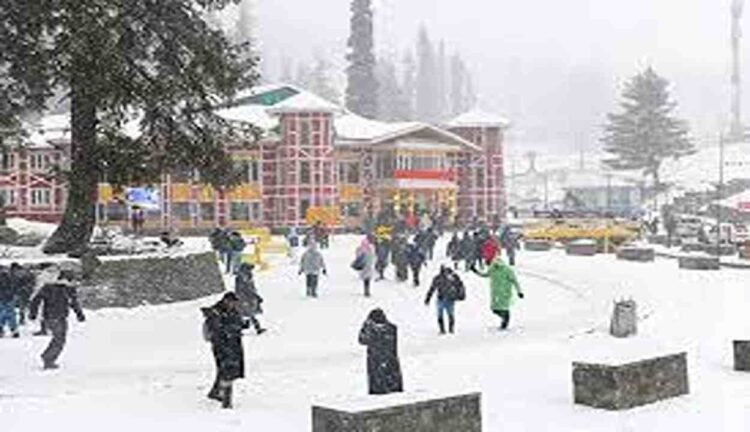
Traditionally, winter snowfall replenishes glaciers, streams, and rivers, ensuring adequate water supply during spring and summer. This year, however, snowfall has been confined mostly to higher altitudes. Popular tourist destinations in the upper reaches received a few light spells, but the plains, including Srinagar, have seen no snowfall at all.
As a result, several water bodies across the Valley are showing signs of depletion. Reduced snow accumulation threatens hydropower generation, irrigation systems, and drinking water availability, particularly during the upcoming agricultural season.
Climate Change and Changing Winters
Local residents and environmental observers increasingly attribute these changes to climate variability. Elderly residents recall a time when heavy snowfall during Chilai Kalan was a certainty rather than an exception. Today, winters are marked by colder nights, sunny days, and extended dry spells.
This shift in weather patterns is being seen as a visible indicator of long-term climatic changes affecting the Himalayan region. Reduced snowfall not only alters the natural ecosystem but also disrupts livelihoods dependent on agriculture, horticulture, and tourism.
Hope for Upcoming Weather Activity
Despite the ongoing dry conditions, there is cautious optimism. Weather experts suggest that an approaching western disturbance may bring some relief. Forecasts indicate the possibility of rainfall in the plains and snowfall in parts of south and north Kashmir in the coming days. If these predictions materialize, they could partially mitigate the existing deficit, though they may not fully compensate for the prolonged dryness.
A Wake-Up Call for the Region
The snowless Chilai Kalan of this winter serves as a stark reminder of the fragile balance of mountain ecosystems. It highlights the urgent need for sustainable water management, climate-resilient planning, and increased awareness about environmental conservation in Jammu and Kashmir.