
Infrastructure – Telangana Begins Major Temple Redevelopment Along Musi Riverfront
Infrastructure – Telangana Chief Minister A. Revanth Reddy has initiated a significant redevelopment effort focused on restoring historic temples along the Musi river as part of a broader urban renewal plan.
Foundation Laid for Historic Temple Restoration
The Chief Minister formally launched the reconstruction of Sri Machileshwara Swamy and Sri Omkareshwara Swamy temples, marking a key step in the Musi Riverfront Development Project. These temples are situated within the centuries-old Veerabhadra Swamy temple complex in the Gandipet–Manchirevula region, an area known for its cultural and religious importance.
Officials indicated that the redevelopment will cover nearly eight acres and involve an estimated investment of around Rs 700 crore. The plan aims not only to rebuild the temples but also to enhance the surrounding infrastructure, making the site more accessible and accommodating for visitors and devotees.
Preserving a 1,400-Year-Old Legacy
During the ceremony, the Chief Minister highlighted the deep historical roots of the temple complex, noting that it dates back over 1,400 years. He emphasized that the project is intended to revive this long-standing heritage while ensuring that the spiritual significance of the site is maintained.
He also underlined Hyderabad’s reputation as a city that embraces diverse religious traditions, stating that such initiatives reinforce communal harmony. According to him, the redevelopment has been undertaken with the intent of honoring the region’s cultural identity while preparing it for future generations.
Musi Riverfront Development Gains Momentum
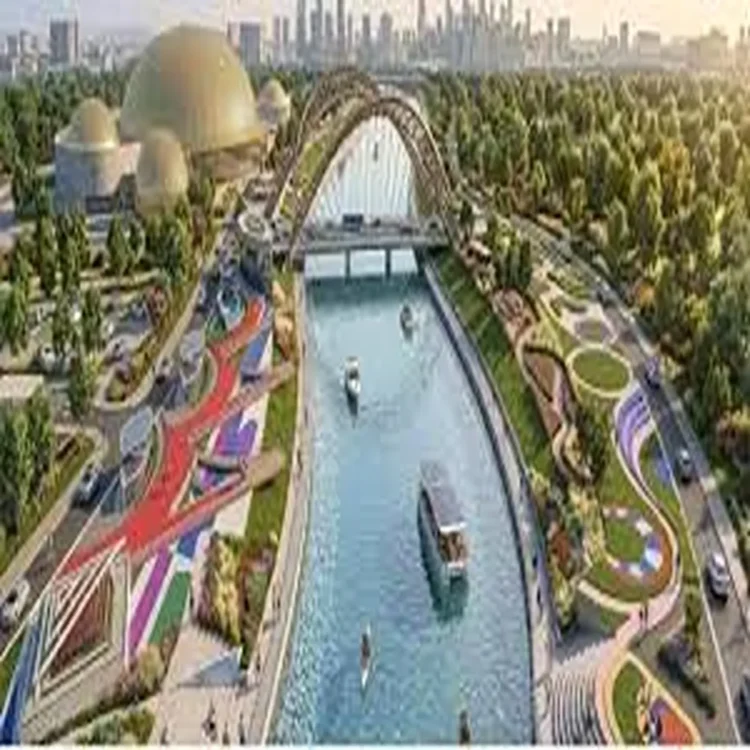
The temple reconstruction forms part of a larger strategy to transform the Musi riverfront into a vibrant urban space. Earlier this month, the Chief Minister reiterated the importance of restoring the Musi River, calling it a critical step for the city’s long-term sustainability and growth.
He pointed out that the initiative draws from successful riverfront models he studied in cities such as London, Singapore, and Ahmedabad. These examples, he noted, demonstrate how river restoration can improve urban living conditions while preserving environmental balance.
Gandhi Sarovar Project in Initial Phase
As part of the early stages of the riverfront plan, authorities have proposed the Gandhi Sarovar project. A detailed presentation by officials outlined how this component will focus on creating a central water body while improving the surrounding ecosystem.
The project is expected to address multiple challenges, including water management and public space development. By integrating environmental restoration with urban design, planners aim to create a space that serves both ecological and recreational purposes.
Focus on Ecology, Flood Control, and Public Spaces
The Musi rejuvenation plan is designed with a multi-pronged approach. It seeks to restore the natural flow and health of the river, strengthen flood control systems, and develop accessible public areas along the riverbanks.
Authorities believe that improving the river’s condition will not only reduce environmental risks but also enhance the overall quality of life in Hyderabad. The development of parks, walkways, and cultural spaces is expected to make the riverfront a key attraction for residents and visitors alike.
Learning from Proven Urban Models
The initiative also takes cues from the transformation of the Sabarmati riverfront in Ahmedabad. That project successfully combined flood management with urban beautification, turning previously underutilized riverbanks into thriving public spaces.
Officials hope to replicate similar outcomes in Hyderabad by adapting those strategies to local conditions. The emphasis remains on balancing development with sustainability while preserving the historical and cultural fabric of the region.
The Musi Riverfront Development Project, along with the temple restoration efforts, represents a comprehensive attempt to blend heritage conservation with modern urban planning. As work progresses, the initiative is expected to play a significant role in shaping the city’s future landscape.