
Infrastructure – PWD Plans In-House System to Strengthen Road Quality Checks
Infrastructure – Delhi’s Public Works Department is preparing to introduce its own system for testing construction materials and road quality, aiming to improve efficiency and ensure higher standards across projects.
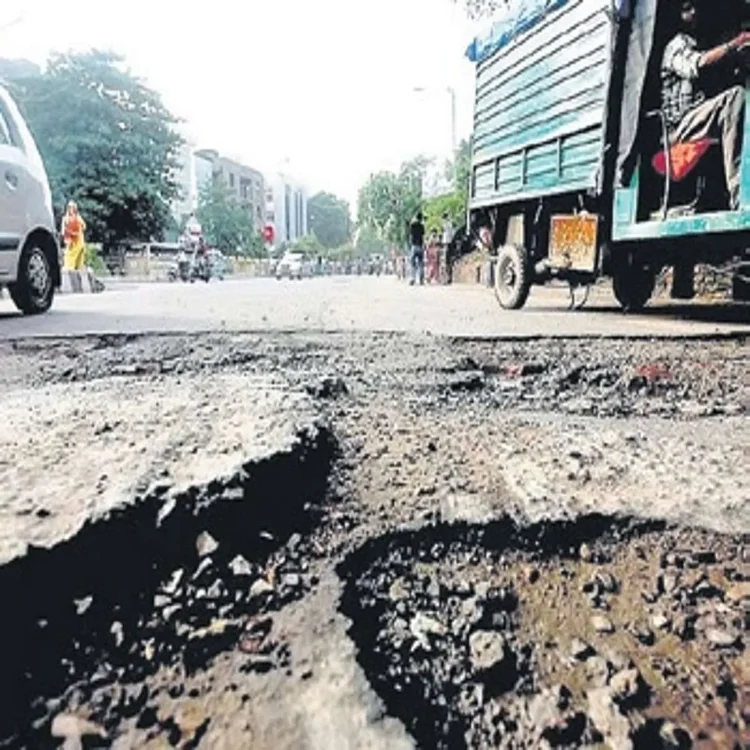
The move, announced by PWD Minister Parvesh Sahib Singh on Tuesday, reflects a shift away from the department’s current reliance on external institutions for quality verification. Officials believe that bringing testing operations in-house will reduce delays and enhance accountability in road construction and maintenance.
Shift from External Testing to Internal Mechanism
At present, contractors working on PWD projects are required to send material samples to recognized engineering colleges and institutions for testing. These include prominent laboratories where both pre-construction checks and post-project audits are conducted.
According to the minister, this process, while reliable, often leads to long waiting periods. Reports from external labs can take up to two or three months, which delays decision-making and slows down project timelines. The proposed in-house testing setup is expected to address this gap.
Singh explained that the department is already in the process of acquiring necessary equipment to build this capability. Once operational, it will allow engineers to assess material quality directly at or near the project site.
Faster Testing Expected to Improve Project Timelines
One of the primary advantages of the new system is the reduction in turnaround time for test results. Officials noted that quicker access to data will help identify issues earlier, enabling timely corrective measures during construction.
In the first phase, the focus will be on evaluating road quality. The department plans to introduce specialized machinery, including block-cutter equipment, to examine the composition and durability of bitumen used in road surfaces.
By streamlining testing procedures, authorities aim to minimize delays that often arise from extended waiting periods for lab reports. Faster verification is also expected to support better monitoring of contractors’ work.
Existing Rules and Approved Testing Institutions
Under current guidelines, material testing must be carried out in laboratories of reputed institutions such as the Central Road Research Institute, IIT Delhi, Jamia Millia Islamia, and the National Institute of Technology Delhi. Additional government-approved engineering colleges can also be authorized by project engineers for testing purposes.
These institutions play a key role in maintaining quality standards, but the dependency on them has highlighted logistical challenges, especially when multiple projects are underway simultaneously.
Officials indicated that the new internal system will complement, rather than completely replace, existing arrangements. External audits may still be conducted where necessary to maintain transparency.
Ongoing Repairs and Future Plans
Government sources confirmed that road repair work is currently underway at several locations managed by the PWD. Quality checks under the proposed system are expected to begin soon, with further adjustments to processes based on initial findings.
In addition to testing reforms, the department has outlined a broader plan to improve road infrastructure across the city. Singh stated that approximately 600 kilometers of roads are scheduled for repair within the current year.
Officials also highlighted that the maintenance period for road repair projects has been extended in recent years. Previously, contractors were required to maintain repaired roads for a minimum of two years, ensuring accountability for the quality of work delivered.
Focus on Long-Term Infrastructure Quality
The introduction of an in-house testing mechanism signals a broader effort to strengthen infrastructure management. By reducing dependence on external labs and accelerating testing timelines, the department aims to ensure that roads are built to last and meet required safety standards.
Authorities believe that this approach will not only improve construction quality but also enhance public confidence in infrastructure projects. As the system is gradually implemented, its effectiveness will be closely monitored to determine future expansions.