
Infrastructure – Northeast Frontier Railway Expands Services and Boosts Regional Connectivity
Infrastructure – The Northeast Frontier Railway (NFR) recorded notable progress during the 2025–26 financial year, focusing on improving connectivity, upgrading infrastructure, and enhancing passenger convenience across the northeastern region. The railway zone introduced several operational and technological changes aimed at supporting both economic growth and environmentally responsible transport.
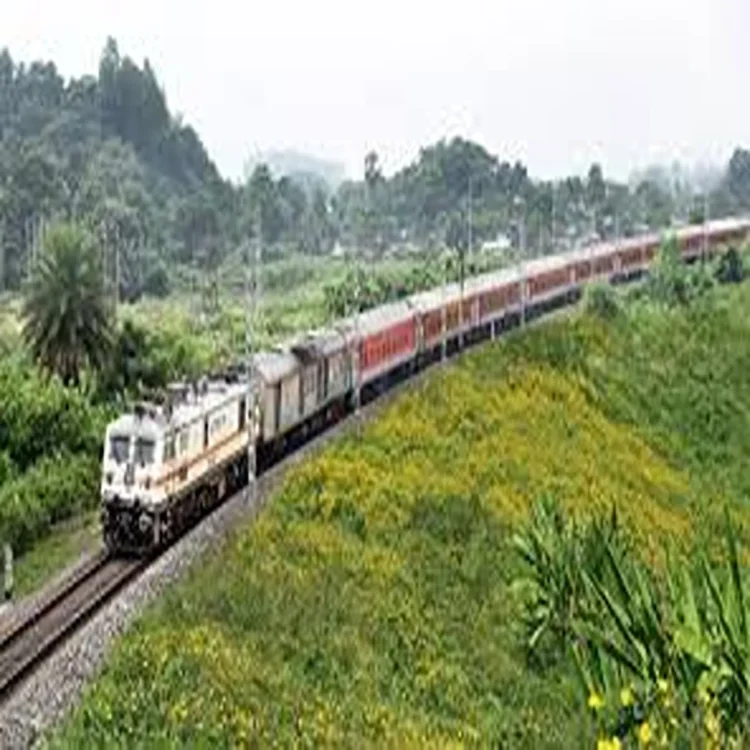
Expanded Train Services Strengthen Connectivity
As part of its expansion efforts, NFR launched 20 pairs of new train services, including premium, semi-premium, and regular categories. These additions have improved travel options for passengers and strengthened links between key cities and remote areas.
Railway officials stated that the new services are designed to address growing demand while ensuring smoother travel experiences. By increasing the frequency and variety of trains, the zone aims to reduce congestion and make rail travel more accessible for daily commuters as well as long-distance passengers.
Faster Journeys Through Speed Enhancements
In addition to expanding services, NFR has also improved operational efficiency by increasing the speed of 35 trains. This move has collectively reduced travel time by approximately 675 minutes across various routes.
Officials highlighted that these time savings are expected to benefit thousands of passengers daily, particularly those traveling for work or essential purposes. The speed upgrades were achieved through track improvements, better signaling systems, and optimized scheduling practices.
Complete Electrification Supports Sustainability Goals
A key milestone achieved during the year is the completion of 100 percent electrification across the NFR network. This transition marks a significant step toward reducing dependence on fossil fuels and lowering carbon emissions.
Railway authorities emphasized that electrification aligns with Indian Railways’ broader objective of adopting cleaner and more energy-efficient operations. Electric trains not only reduce environmental impact but also improve operational efficiency and lower long-term costs.
Environmental Awareness Initiative in Schools
Alongside infrastructure development, efforts were also made to promote environmental awareness among students. A four-day workshop titled “Shiksha for Science and Environment” was organized in Guwahati through a collaboration between biodiversity conservation organization Aaranyak, the Assam Pollution Control Board, and Samagra Shiksha Assam, Kamrup Metro.
The workshop aimed to educate students about environmental challenges such as pollution and climate change. It included multiple sessions focusing on sustainable practices and responsible lifestyle choices.
Organizers noted that the initiative supports the Government of India’s Mission LiFE, which encourages individuals to adopt environmentally conscious habits. By integrating these ideas into school education, the program seeks to build long-term awareness among young learners.
IIT Guwahati Develops Innovative Cooling Bricks
In a separate development, researchers at the Indian Institute of Technology Guwahati have introduced a new type of energy-efficient brick designed to help maintain cooler indoor temperatures in buildings.
According to the institute, modern buildings often rely heavily on air conditioning systems, especially during warmer months. While effective, these systems consume large amounts of electricity and contribute to environmental degradation.
The newly developed bricks offer a passive cooling solution, reducing the need for artificial temperature control. The research findings have been published in the Journal of Energy Storage, highlighting their potential for sustainable construction practices.
Experts believe that such innovations could play a crucial role in addressing rising energy demands and promoting eco-friendly building designs in the future.
Focus on Balanced Regional Development
Overall, the developments across railway infrastructure, environmental education, and technological innovation reflect a broader effort to balance growth with sustainability in the northeastern region.
Officials stated that continued investments in connectivity and green initiatives are expected to support economic activity while preserving environmental resources. These measures aim to ensure long-term benefits for both residents and the wider region.