
India-US Trade Deal – Political Row Intensifies Over Farmers and Economy
India- The Shiv Sena faction led by Uddhav Balasaheb Thackeray has delivered a sharp critique of the recently announced India-United States trade agreement, describing it as a serious threat to domestic agricultural and labour sectors. The party alleged that the pact could undermine the financial stability of farmers and questioned the Centre’s decision-making process regarding the deal.
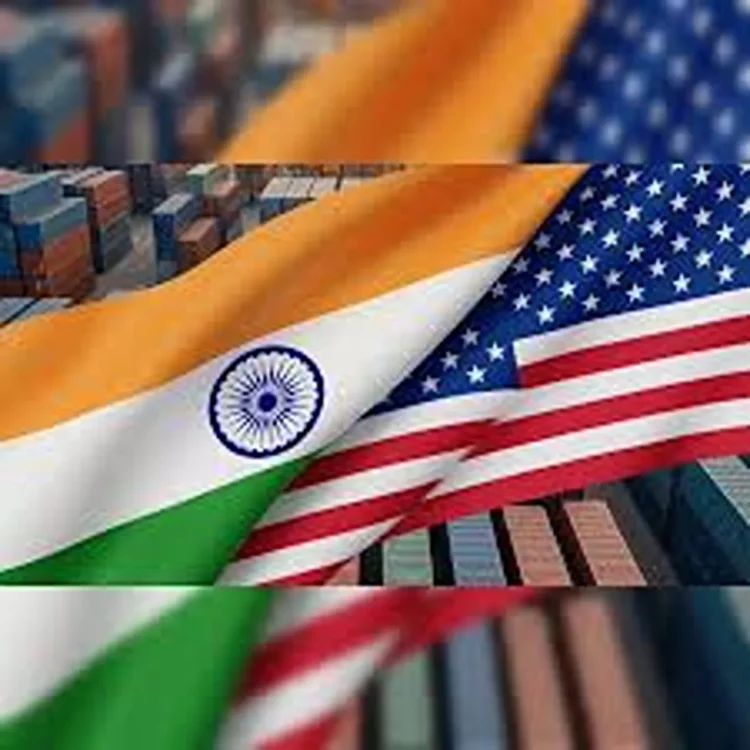
Party Editorial Raises Questions on National Interest
In a strongly framed editorial published in the party’s newspaper Saamana, the Thackeray-led group argued that the agreement goes beyond conventional trade cooperation. It claimed that the arrangement could negatively impact those who form the backbone of the country’s food supply chain. The editorial also questioned whether the Prime Minister’s approach aligns with India’s long-term economic interests or serves external pressures.
The party further called upon workers and farmers nationwide to collectively voice their concerns and seek clarity from the central government regarding the consequences of the agreement.
Concerns Over Timing Amid Economic Challenges
The editorial emphasised that the trade understanding has emerged during a period when the domestic economy is facing several challenges. It highlighted the depreciation of the Indian rupee, which reached historically low levels against the US dollar in January. According to the editorial, finalising such a deal during economic instability could place additional pressure on local industries and agricultural communities.
The article also criticised what it described as excessive enthusiasm from the government regarding the pact, suggesting that it could affect national independence in economic decision-making.
Opposition Leaders Question Agreement Circumstances
Referring to remarks made by Leader of Opposition Rahul Gandhi, the editorial suggested that the agreement was concluded under substantial external influence. Gandhi reportedly stated that negotiations surrounding the trade pact remained unresolved for several months before being finalised suddenly. The editorial echoed these claims, raising questions about the transparency of the negotiation process.
Meanwhile, the Bharatiya Janata Party has defended the agreement, presenting it as a significant economic opportunity expected to benefit India’s population through improved trade access and stronger bilateral relations.
Debate Over Trade Tariffs and Import Policies
The Saamana editorial presented a contrasting interpretation of the agreement’s potential financial impact. It claimed that India may reduce or eliminate duties on several American imports, including agricultural goods, energy resources and technology products. It also suggested that India could shift energy purchases away from Russia in favour of American oil imports valued at billions of dollars.
According to the editorial, while American tariffs on Indian exports may reportedly decline from earlier high levels, India’s own tariff commitments under the deal could increase. The party argued that such tariff adjustments might place domestic producers at a competitive disadvantage.
Agricultural Sector Seen as Most Vulnerable
The Thackeray faction warned that the introduction of duty-free imports could significantly affect Indian farmers. The editorial suggested that subsidised American agricultural products, including cotton, dairy items, pulses, soybean, maize, nuts, fruits and vegetables, could enter Indian markets at lower prices. This, it claimed, might reduce demand for locally produced goods and create financial challenges for agricultural workers.
The article also highlighted the existing distress within the farming community, pointing to ongoing issues such as debt-related hardships. It argued that opening markets to foreign products without sufficient safeguards could intensify these challenges.
Government’s Position and Continuing Political Debate
While criticism from opposition groups continues, the central government maintains that the agreement aims to expand trade opportunities, attract investments and strengthen India’s position in global commerce. Officials supporting the deal argue that improved export access and strategic energy partnerships could contribute to economic growth.
The controversy surrounding the agreement is likely to remain a major political and economic discussion point, as stakeholders from agriculture, industry and trade sectors evaluate its long-term effects on the country’s economy.