
HPV Vaccination – Centre Plans Free Nationwide Drive for Girls
HPV Vaccination – The Union government is preparing to roll out a countrywide immunisation campaign aimed at protecting adolescent girls from cervical cancer, a disease that remains one of the leading causes of cancer-related deaths among women in India.
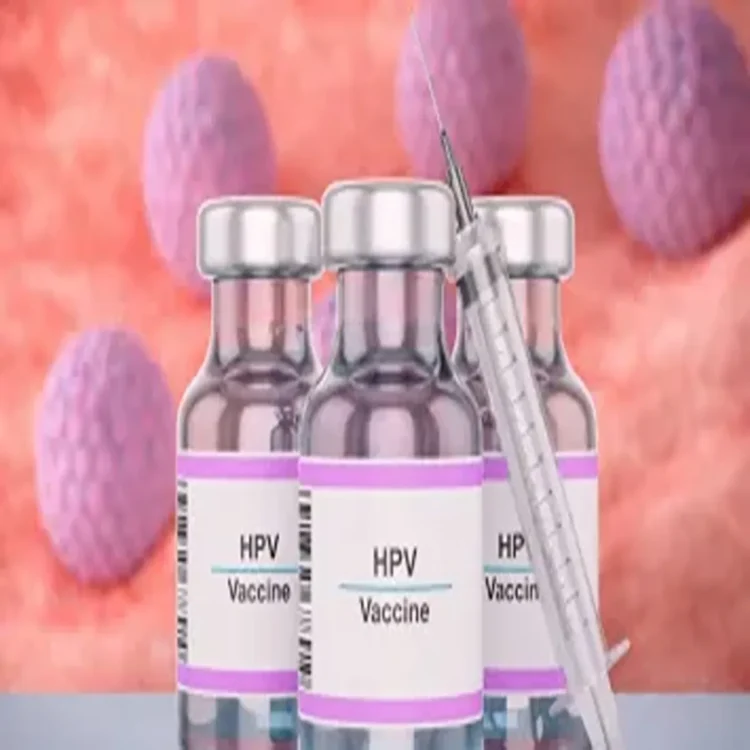
Targeted Immunisation for Adolescent Girls
Officials confirmed on Tuesday that the proposed campaign will focus on 14-year-old girls, offering them protection against the human papillomavirus (HPV), a primary cause of cervical cancer. The initiative will function as a special vaccination drive and will not be incorporated into the existing Universal Immunisation Programme.
The vaccine selected for the campaign is Gardasil-4, a quadrivalent shot designed to guard against four strains of HPV — types 16 and 18, which are strongly linked to cervical cancer, and types 6 and 11, which can cause other HPV-related conditions. Health authorities noted that extensive global and domestic research supports the effectiveness of a single-dose schedule for girls in this age group.
Why Age 14 Has Been Chosen
Medical experts involved in the planning process indicated that administering the vaccine at 14 offers optimal preventive benefit. At this stage, recipients are less likely to have been exposed to the virus, allowing the vaccine to provide stronger and longer-lasting protection.
In the private market, Gardasil-4 is typically administered in two doses for girls under 15, with each dose priced at nearly Rs 3,927. Those aged 15 and above require three doses. By offering the vaccine free of charge under the national programme, the government aims to remove financial barriers and ensure equitable access across all socio-economic groups.
The vaccine is produced by MSD India and has been widely used around the world since its introduction in 2006.
Safety Record and Global Experience
Health officials emphasised that HPV vaccines have one of the most established safety profiles among modern vaccines. More than 500 million doses have been administered globally over the past two decades. Countries that have implemented widespread HPV vaccination have reported sharp declines in HPV infections, precancerous cervical lesions, and cervical cancer cases.
Scientific studies show that HPV vaccines are between 93 and 100 percent effective in preventing cervical cancer caused by the targeted virus strains. Once launched, India will join over 160 countries that have incorporated HPV vaccination into their national immunisation strategies. More than 90 of these countries currently follow a single-dose schedule.
Addressing a Major Public Health Concern
According to national health data, cervical cancer is the second most common cancer among Indian women. Each year, nearly 80,000 new cases are diagnosed, and more than 42,000 women lose their lives to the disease. Medical research confirms that almost all cases of cervical cancer stem from persistent infection with high-risk HPV strains, particularly types 16 and 18, which account for over 80 percent of cases in India.
Despite being largely preventable through timely vaccination and screening, cervical cancer continues to impose a significant health and economic burden on families.
Implementation and Access Points
The upcoming vaccination campaign will be voluntary and delivered free of cost at designated government health centres, including Ayushman Arogya Mandirs and primary health facilities. Each vaccination site will be connected to a 24-hour government medical facility to ensure immediate care in the unlikely event of adverse reactions, officials said.
To maintain consistent supply and quality standards, vaccine procurement has been carried out through a transparent and internationally supported mechanism. Through India’s collaboration with Gavi, the Vaccine Alliance, approved and globally recognised Gardasil doses have been secured for the national rollout.
Officials described the programme as a significant step toward strengthening preventive healthcare for women. They urged parents and guardians to ensure their daughters receive the vaccine once the drive begins, highlighting its potential to substantially reduce cervical cancer cases in the coming decades.