
Housing – Delhi Cabinet Welcomes Move to Regularise 1,511 Colonies
Housing – The Delhi government has formally acknowledged the Centre’s decision to legalise a large number of unauthorised colonies, calling it a major step toward improving living conditions in the capital.
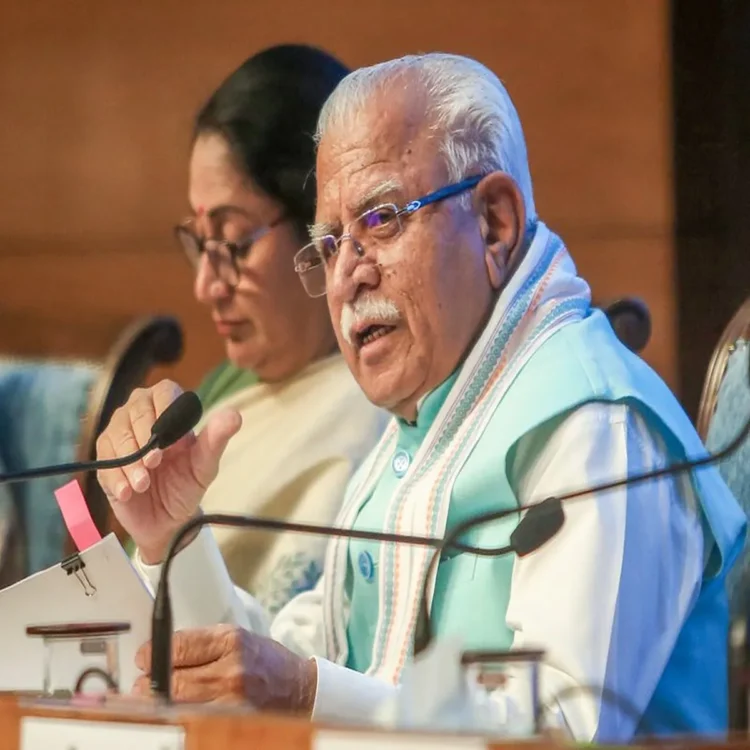
The Delhi Cabinet, led by Chief Minister Rekha Gupta, passed a resolution on Tuesday expressing appreciation to the central government for approving the regularisation of 1,511 unauthorised colonies across the city. The decision, endorsed during a meeting at the Delhi Secretariat, is expected to impact millions of residents who have lived without formal property rights or proper civic infrastructure for years.
A Long-Awaited Relief for Residents
Officials described the move as a turning point for families who have spent decades in uncertain housing conditions. According to the Chief Minister, the decision offers not just legal recognition but also a sense of stability and dignity to people who have struggled with limited access to essential services.
Residents in these colonies have often faced challenges such as poor sanitation, inadequate roads, and lack of formal utilities. With regularisation, these areas are expected to be integrated into the city’s planned development framework, enabling better access to public services and infrastructure.
Government’s Plan for Infrastructure Development
The Delhi government has already allocated significant funds to support improvements in these newly regularised areas. An amount of ₹800 crore has been set aside in the 2026–27 budget to upgrade infrastructure, including roads, drainage systems, and water supply networks.
Authorities believe that the Centre’s decision will accelerate development efforts and allow for coordinated planning between different agencies. The focus will be on improving the overall quality of life for residents by addressing long-standing gaps in urban services.
Key Features of the Regularisation Scheme
Under the approved plan, 1,511 out of 1,731 unauthorised colonies in Delhi will be regularised based on their existing layout. This means that properties will be accepted in their current condition without requiring additional approvals for layout plans.
All plots and buildings in these colonies will be treated as residential units, simplifying the legal process for property ownership. The move is expected to benefit approximately 4.5 million people, making it one of the largest housing regularisation efforts in the city.
Simplified Process and Defined Timeline
The responsibility for implementing the regularisation process has been assigned to the Delhi government’s Revenue Department, replacing the earlier role of the Delhi Development Authority. Officials have introduced a structured timeline to ensure efficiency and transparency.
GIS survey reports will be completed within seven days, while any deficiencies identified during the process must be resolved within 15 days. Additionally, conveyance deeds—official documents confirming ownership—are required to be issued within 45 days.
Applications for regularisation will open on April 24, 2026, through the Swagam portal, providing residents with a streamlined and accessible platform to complete formalities.
Addressing Rapid Urban Growth
The Chief Minister highlighted that Delhi’s population has grown significantly over the past two decades, leading to the expansion of unplanned settlements, including unauthorised colonies and slum clusters. This rapid growth has placed pressure on existing infrastructure and urban planning systems.
The current initiative is seen as an important step toward bringing these areas into the formal urban framework. By recognising and regulating these colonies, the government aims to promote balanced development and ensure that residents receive essential services comparable to other parts of the city.
Moving Toward Inclusive Urban Development
The regularisation effort reflects a broader policy shift toward inclusive urban planning, where previously neglected areas are brought into the mainstream. Officials believe that coordinated action between the Centre and the Delhi government will be crucial in ensuring the success of this initiative.
With legal recognition, infrastructure investment, and a clear implementation roadmap, the move is expected to reshape living conditions for millions and contribute to more structured urban growth in the national capital.