
Healthcare – India’s First Passive Euthanasia Case Ends With Patient’s Death
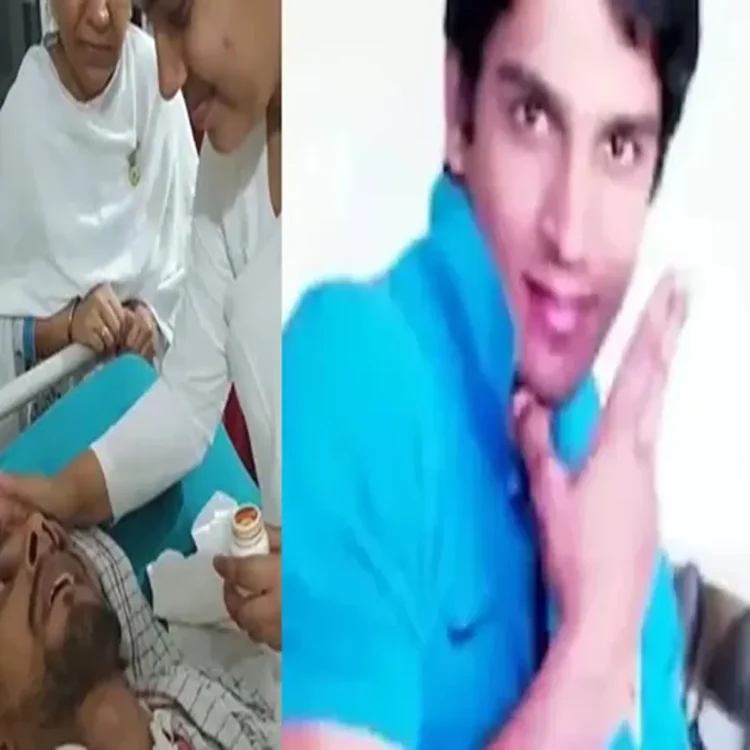
Healthcare – Harish Rana, the first individual in India to be granted passive euthanasia by the Supreme Court, passed away on Tuesday evening at the All India Institute of Medical Sciences (AIIMS) in New Delhi after remaining in a coma for over 13 years.
Long Medical Struggle Comes to an End
Rana, 31, had been in a vegetative state since 2013 following a tragic fall from the fourth floor of his hostel during his time as a BTech student at Panjab University. The incident caused severe brain injuries, leaving him dependent on artificial nutrition and periodic oxygen support for survival.
Earlier this month, on March 14, he was moved from his residence in Ghaziabad to the palliative care unit at AIIMS. He was admitted under a specialised medical team led by Dr Seema Mishra, head of Onco-Anaesthesia and Palliative Medicine at the institute.
According to hospital officials, Rana passed away at 4:10 pm on March 24 while under continuous medical supervision. The institute extended condolences to his family, acknowledging their prolonged emotional and physical ordeal.
Supreme Court’s Landmark Decision
A significant turning point in Rana’s case came on March 11, when the Supreme Court permitted passive euthanasia for him. This marked the first time such approval had been granted in India for an individual case under judicial consideration.
Passive euthanasia involves withdrawing or withholding life-sustaining treatment, allowing a patient to die naturally when recovery is deemed impossible. In Rana’s case, medical experts concluded that continued intervention would only prolong biological existence without any realistic hope of improvement.
Following the court’s directive, doctors gradually withdrew his nutritional support under a carefully designed medical plan to ensure dignity and minimal suffering.
Family’s Perspective and Final Acts
Rana’s family had supported the decision, stating that it was not driven by personal considerations but by a broader understanding of dignity in prolonged suffering. His father, Ashok Rana, had earlier expressed that the move would help restore his son’s dignity after years of irreversible medical condition.
In a final act of generosity, the family chose to donate Rana’s corneas and heart valves after his passing. The organs were retrieved at AIIMS, potentially benefiting other patients in need.
His last rites are expected to take place at the Green Park crematorium in south Delhi on Wednesday morning.
Broader Legal and Ethical Context
The Supreme Court’s ruling builds upon earlier judgments, including the 2018 recognition of the right to die with dignity as a fundamental right under Article 21 of the Constitution. The guidelines were further refined in 2023 to simplify the process for terminally ill patients seeking passive euthanasia.
In its recent order, the court also highlighted the importance of structured medical oversight. It directed authorities to ensure the formation of both primary and secondary medical boards to evaluate such cases, reducing the need for repeated judicial intervention.
Additionally, the bench recommended that the Union government consider enacting comprehensive legislation on passive euthanasia to provide clarity and uniformity across the country.
Medical Community and Public Response
The case has drawn attention from both the medical community and civil society. Healthcare professionals involved in Rana’s care were acknowledged for handling the sensitive process with compassion and professionalism.
Journalist and activist Pinki Virani, who has long advocated for the right to die with dignity, described the case as a moment of reflection for families and individuals. She emphasised the importance of communicating one’s wishes regarding end-of-life care to avoid uncertainty and distress.
A Case That May Shape Future Decisions
Harish Rana’s case is expected to influence future discussions around end-of-life care in India. It highlights the complex intersection of law, ethics, medicine, and personal choice in situations where recovery is no longer possible.
While deeply tragic, the case has contributed to a broader understanding of patient rights and medical responsibility, potentially guiding similar decisions in the years ahead.