
GigEconomy – Nationwide Cab Drivers’ Strike Disrupts Transport Services
GigEconomy – Thousands of app-based taxi drivers across India have suspended services today, February 7, as part of a coordinated nationwide strike, leaving commuters scrambling for alternative travel options.
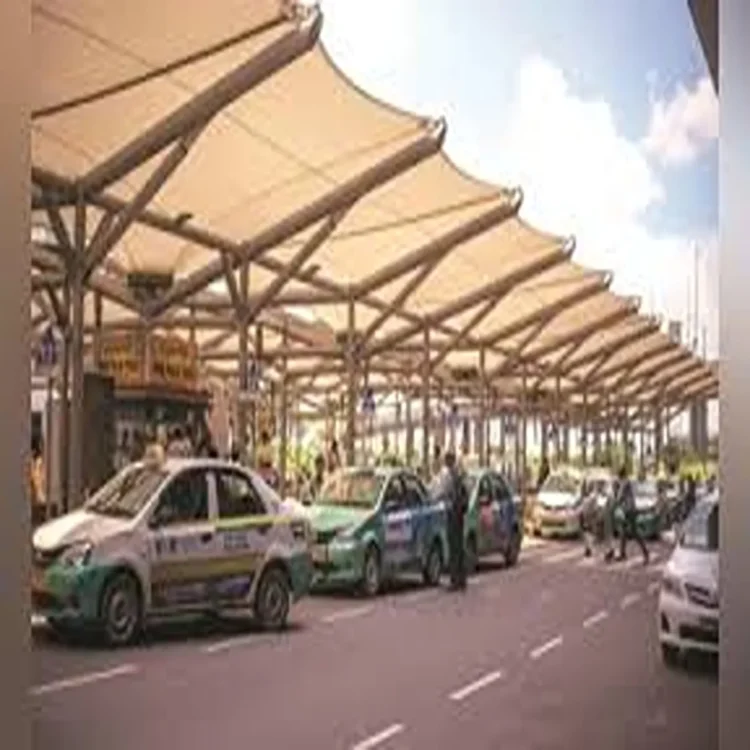
Nationwide Walkout Hits Major Cities
Drivers affiliated with platforms such as Ola, Uber, and Rapido began logging off their apps at 8:00 am, marking the start of a protest branded as the “All India Breakdown.” The coordinated action has impacted urban mobility in several metropolitan centres, with Delhi, Mumbai, Bengaluru, and Hyderabad witnessing noticeable service interruptions since morning.
With ride-hailing vehicles off the roads, public transport systems are preparing for increased passenger loads. Metro services, city buses, and suburban rail networks are expected to operate under pressure throughout the day as regular app users shift to alternative modes of travel.
Unions Lead Call for Regulatory Changes
The strike has been organised by the Telangana Gig and Platform Workers Union in collaboration with the Indian Federation of App-Based Transport Workers. Union representatives say the protest is intended to draw attention to long-standing concerns over income stability and regulatory oversight in the app-based transport sector.
Using the slogan “No minimum fares, no regulation, endless exploitation,” labour groups argue that drivers face unpredictable earnings due to fluctuating pricing models and rising operational expenses. According to union estimates, more than eight million gig workers are engaged in app-driven transport services nationwide.
Although organisers indicated that the main phase of the protest would last at least six hours, some union leaders suggested that many drivers could remain offline for the entire day, depending on local participation levels.
Dispute Over Fares and Platform Policies
At the centre of the dispute is a demand for governments at both central and state levels to formally introduce a minimum base fare for app-based rides. Worker groups contend that aggregator companies currently determine pricing structures without sufficient transparency, leaving drivers vulnerable to reduced payouts, especially during periods of high fuel costs.
Unions are also calling for stricter enforcement of regulations governing commercial vehicle operations. Among their demands is a ban on the use of private, white-plate vehicles for commercial passenger and goods transport, which they argue undermines licensed drivers.
Another key issue relates to provisions in the Motor Vehicle Aggregator Guidelines 2025. Labour representatives want specific clauses amended or withdrawn, particularly those allowing companies to set fares significantly below a defined base rate. They say such policies intensify competition among drivers and compress already thin profit margins.
Rising Tensions Within the Gig Workforce
The latest strike follows a year marked by sporadic protests within the gig economy. In late 2025, delivery workers associated with quick-commerce platforms staged demonstrations during the busy year-end period, citing similar concerns over pay structures and incentive policies.
Data highlighted in a recent Economic Survey noted that nearly 40 percent of gig workers in India earn less than Rs 15,000 per month. Labour advocates say this underscores the urgency of regulatory reform, especially as digital platforms continue to expand across urban and semi-urban markets.
In a letter addressed to Union Transport Minister Nitin Gadkari, union leaders stated that many drivers are struggling to maintain sustainable incomes despite the rapid growth of app-based services. They argue that without policy intervention, economic pressures on gig workers are likely to intensify.
Commuters Urged to Plan Ahead
Authorities have advised commuters to prepare for delays and consider public transport options wherever possible. In areas where limited ride-hailing services remain available, passengers may encounter higher fares due to surge pricing and extended waiting times.
Transport officials recommend relying on metro rail systems, state-run bus networks, and local train services to minimise disruption. Office-goers and travellers with scheduled appointments have been encouraged to allow additional time for their journeys.
As discussions between worker unions and policymakers continue, the outcome of today’s coordinated action may shape future conversations around labour rights and regulation in India’s rapidly evolving digital transport sector.