
Geopolitics – Omar Abdullah Questions Gains From US-Iran Ceasefire Deal
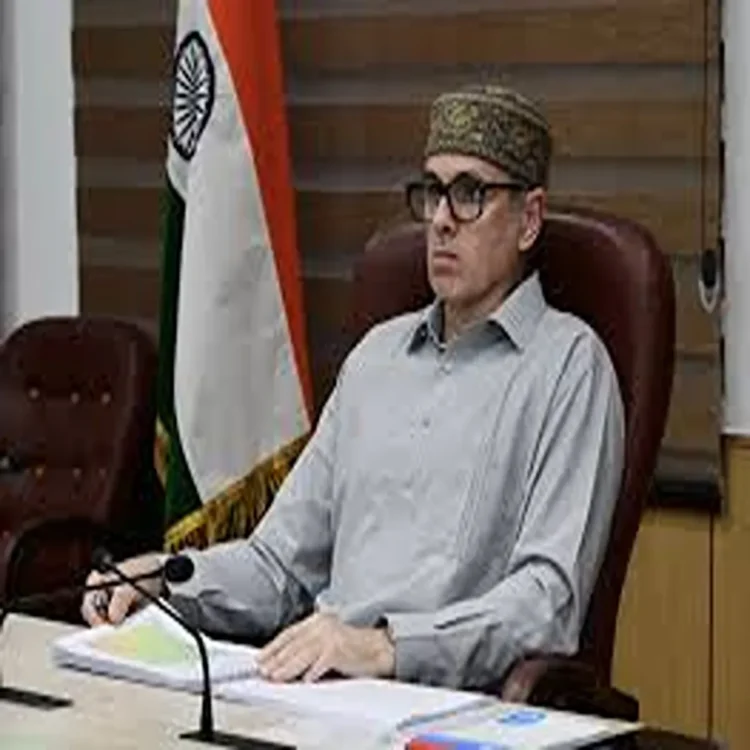
Geopolitics – Jammu and Kashmir Chief Minister Omar Abdullah on Wednesday raised questions over the outcome of the recently announced ceasefire between the United States and Iran, expressing doubt about what the prolonged conflict ultimately achieved for Washington.
Concerns Over Strategic Outcome
Responding to reports that the Strait of Hormuz would reopen as part of the ceasefire arrangement, Abdullah pointed out that the crucial maritime route had never been fully closed prior to the conflict. He noted that international shipping had access to the passage before hostilities began, making the development appear less significant than suggested.
In a post shared on social media platform X, Abdullah questioned the broader purpose of the military engagement. He remarked that if the ceasefire’s highlight was the reopening of a route that had already been accessible, it raised serious doubts about the justification and results of the 39-day conflict.
Strait of Hormuz and Global Significance
The Strait of Hormuz is widely regarded as one of the world’s most critical oil transit chokepoints. A significant portion of global energy supplies passes through this narrow waterway, making any disruption a matter of international concern.
During the recent escalation, fears of a blockade or restricted access led to volatility in global oil markets. However, Abdullah’s comments suggest that the perceived gains of ensuring navigation through the strait may not align with the actual situation on the ground before the war began.
His remarks have drawn attention to the gap between political messaging and on-ground realities, particularly in conflicts that carry global economic implications.
Ceasefire Agreement Details
The ceasefire, reportedly agreed upon by Iran, the United States, and Israel, is expected to last for an initial period of two weeks. The agreement comes after weeks of intense military activity across West Asia, which had heightened geopolitical tensions and disrupted energy markets worldwide.
US President Donald Trump, who had earlier issued strong warnings against Iran, appeared to step back from his earlier stance during the negotiations. The truce is being viewed as a temporary pause rather than a long-term resolution, with several key issues still unresolved.
Political Reactions and Broader Debate
Abdullah’s statement adds to a growing debate over the effectiveness and consequences of recent military actions in the region. His use of the term “UnjustWar” in his post reflects a critical stance on the necessity and outcomes of the conflict.
Political observers note that such reactions highlight the increasing scrutiny faced by major powers regarding their foreign policy decisions, especially when those actions have widespread global repercussions.
The ceasefire has brought a measure of relief to international markets and governments concerned about prolonged instability. However, questions remain about whether the agreement addresses the root causes of the conflict or merely postpones further escalation.
Uncertain Path Ahead
While the immediate tensions have eased, the situation in West Asia remains fragile. Analysts suggest that the coming weeks will be crucial in determining whether the ceasefire can lead to more durable diplomatic engagement.
For now, voices like Omar Abdullah’s underscore the importance of evaluating not just the end of a conflict, but also its broader impact and underlying purpose. His remarks serve as a reminder that the true measure of such engagements lies in their long-term outcomes rather than short-term developments.