
Geopolitics – India Welcomes Temporary Ceasefire, Urges Stability in West Asia
Geopolitics – India has cautiously welcomed a temporary pause in hostilities involving the United States, Israel, and Iran, expressing optimism that the development could pave the way for longer-term peace across the region.
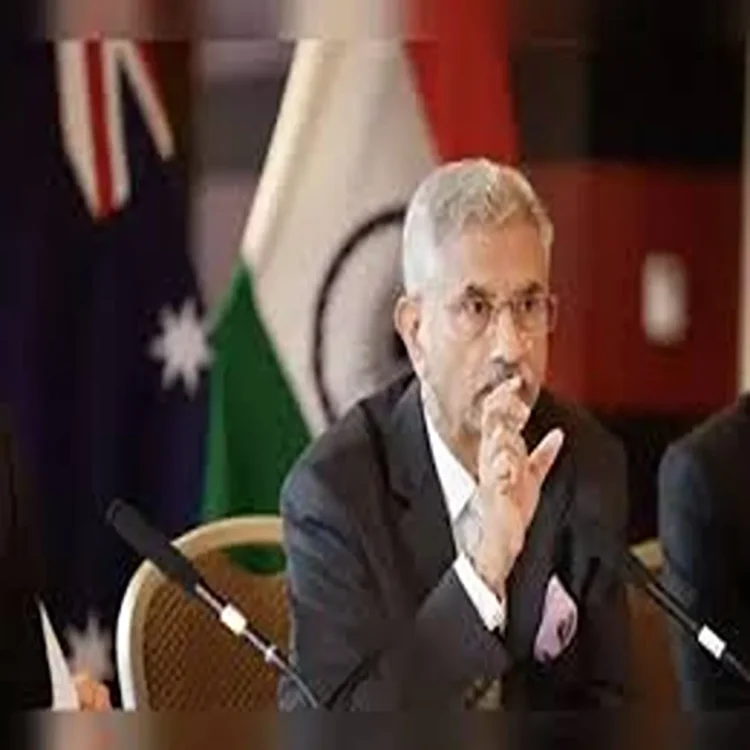
India’s Ministry of External Affairs (MEA), in an official statement issued on Wednesday, reiterated its consistent position on the importance of reducing tensions. The government emphasized that sustained dialogue and diplomatic engagement remain the only viable path to resolving conflicts that have already caused significant disruption.
India Calls for Dialogue and De-escalation
The MEA underscored that New Delhi has repeatedly advocated for restraint and constructive communication among the involved parties. According to the statement, ending the conflict swiftly is crucial not only for regional stability but also for minimizing humanitarian suffering.
Officials noted that prolonged hostilities have impacted civilian populations and strained already fragile geopolitical relations. India’s response reflects a broader concern about maintaining balance in a region critical to global energy supplies and trade routes.
Focus on Strait of Hormuz Trade Flow
A key aspect of India’s response centered on the Strait of Hormuz, one of the world’s most vital shipping corridors. The government expressed hope that maritime movement through the strait would return to normal following Iran’s agreement to reopen it as part of the ceasefire arrangement.
The MEA highlighted that disruptions in this passage have far-reaching consequences, affecting global oil supplies and commercial shipping networks. Ensuring uninterrupted navigation, the statement said, is essential for stabilizing international markets and supporting economic recovery.
No Mention of Pakistan’s Mediation Role
While international reports have suggested that diplomatic efforts involving Pakistan contributed to facilitating the ceasefire, India’s official communication did not reference any such involvement. The focus remained firmly on the outcome of the agreement and its implications for peace and trade.
This omission indicates a measured and cautious diplomatic approach, avoiding commentary on third-party roles while prioritizing regional stability.
Advisory Issued for Indians in Iran
Despite the ceasefire announcement, Indian authorities remain cautious about the situation on the ground. The Indian Embassy in Tehran issued a fresh advisory urging citizens still in Iran to leave the country as soon as possible.
The advisory stressed that the security environment continues to evolve, and Indian nationals should coordinate closely with embassy officials while using recommended exit routes. This step reflects ongoing concerns that the ceasefire, though significant, may not fully eliminate risks in the immediate term.
Ceasefire Details and Next Steps
The temporary halt in hostilities was announced shortly before a previously indicated deadline for military escalation. The agreement, described as lasting two weeks, includes provisions for reopening the Strait of Hormuz and initiating diplomatic talks.
Iranian authorities have confirmed their acceptance of the ceasefire and indicated readiness to engage in negotiations with the United States. These discussions are expected to begin soon, signaling a potential shift toward diplomatic resolution.
Additionally, arrangements under the ceasefire allow regulated passage through the strait, with oversight mechanisms involving regional stakeholders. This development could help restore confidence in maritime operations while discussions continue.
Broader Implications for Global Stability
The ceasefire has brought a degree of relief to global markets and governments closely monitoring the situation. However, experts caution that lasting peace will depend on sustained negotiations and mutual commitments from all sides.
For India, the situation carries both strategic and economic importance. The country relies heavily on energy imports from the region and has a large diaspora in West Asia. Ensuring stability is therefore a key priority in its foreign policy approach.
As diplomatic efforts unfold, India’s emphasis on dialogue, trade continuity, and citizen safety highlights a balanced response to a complex and evolving geopolitical landscape.