
Geopolitics – Congress Leaders’ Diverging Views Surface Over West Asia Policy
Geopolitics – The Congress party witnessed differing viewpoints from its senior leaders this week after remarks praising the government’s handling of the West Asia crisis triggered a measured reaction within the organisation.
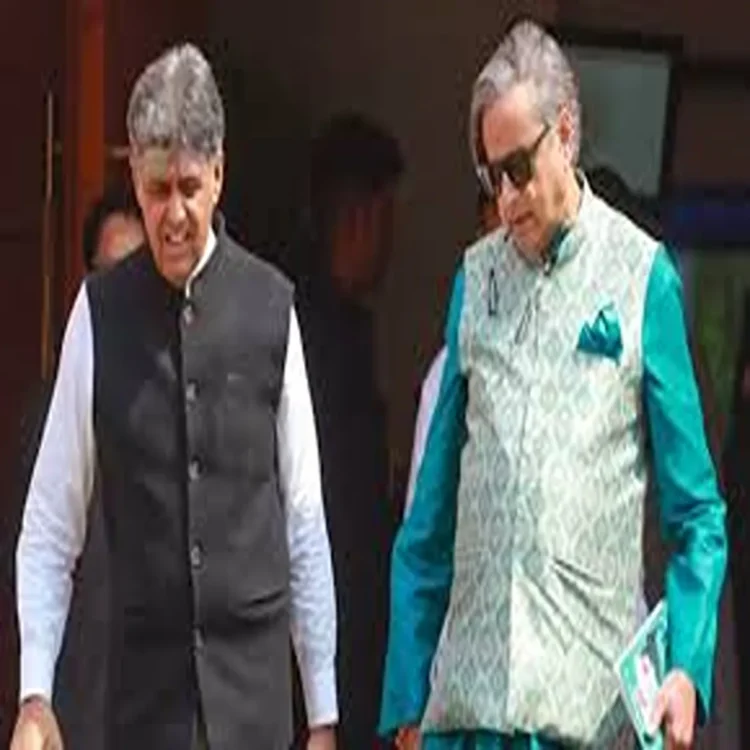
Internal Differences Emerge Within Congress
Senior Congress figure and former Union minister Anand Sharma commended the Centre’s diplomatic approach to the ongoing tensions in West Asia, describing it as careful and effective. His remarks, however, did not fully align with the broader position of the party leadership, which has previously expressed reservations about the government’s foreign policy direction.
Responding to the situation, Congress general secretary Jairam Ramesh emphasised that the party allows room for diverse opinions. He underlined that differing perspectives among leaders reflect the organisation’s democratic character rather than internal discord.
Sharma Highlights Need for Strategic Balance
Speaking on Thursday, Sharma said India’s diplomatic conduct in the crisis had helped the country avoid complex geopolitical risks. He described the approach as balanced and pragmatic, suggesting that India has managed to steer clear of potentially sensitive international complications.
He also called for a broader international effort, urging India to take a leading role in bringing together countries from the Global South and its strategic partners. According to him, such cooperation is essential to restore stability and peace in the region.
Party’s Earlier Concerns on Government Policy
The Congress leadership had earlier voiced dissatisfaction over how the government addressed the West Asia situation during an all-party meeting. Concerns were raised regarding the clarity and consistency of India’s foreign policy stance amid a rapidly evolving global crisis.
Despite this, Sharma stressed the importance of national unity, especially during uncertain international developments. He noted that the government’s decision to engage political parties through consultations was a constructive step and should continue to ensure collective understanding.
Call for Consensus in Times of Global Uncertainty
Sharma further stated that India’s response to global conflicts should be guided by a shared national perspective. He highlighted the importance of maintaining a steady and responsible approach, particularly when dealing with volatile geopolitical environments.
He also pointed to the larger implications of global instability, warning that weakening international systems and conflict management mechanisms could have long-term consequences, especially for younger generations.
Similar Remarks Add to Political Debate
Anand Sharma is not the only Congress leader whose comments have drawn attention. Earlier, Shashi Tharoor had also sparked discussion by describing India’s restrained response to the West Asia conflict as a sign of thoughtful statecraft rather than passivity.
Additionally, former Madhya Pradesh Chief Minister Kamal Nath made remarks on domestic issues linked to the crisis, suggesting that while resources such as LPG cylinders are available, there may be gaps in management and distribution.
Balancing Internal Debate and Public Messaging
The recent statements from multiple senior leaders have highlighted a nuanced debate within the Congress party on foreign policy and governance issues. While some leaders have acknowledged the government’s handling of the situation, others continue to question its effectiveness and long-term strategy.
At the same time, the party leadership appears to be maintaining a balanced approach by allowing open discussion while reiterating its official concerns. This reflects an attempt to accommodate varying viewpoints without presenting a divided public stance.
As the West Asia crisis continues to evolve, India’s diplomatic choices and political responses are likely to remain under close scrutiny, both domestically and internationally.