
Geopolitics – Chinese Aircraft and Naval Activity Reported Near Taiwan
Geopolitics – Taiwan’s Ministry of National Defense reported renewed Chinese military activity in the vicinity of the island early Monday, noting the presence of multiple aircraft and naval units near its territory.
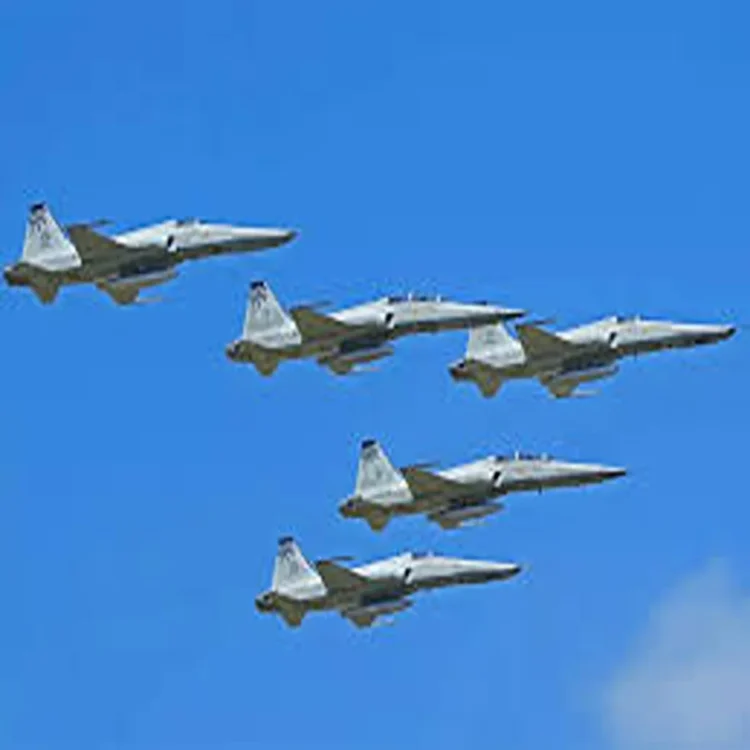
Aircraft Cross Median Line Into Air Defense Zone
According to official information released by Taiwan’s defense authorities, three Chinese military aircraft sorties were detected operating near the island as of 6 a.m. local time. All of these aircraft reportedly crossed the median line of the Taiwan Strait, a sensitive boundary that has historically served as an informal buffer between the two sides.
The aircraft then entered Taiwan’s northern and eastern Air Defense Identification Zone (ADIZ). The ministry stated that its armed forces closely tracked the movements and responded in accordance with standard procedures.
In addition to the aerial activity, six Chinese naval vessels and two government-operated ships were also observed navigating waters around Taiwan during the same period.
Military Presence Observed a Day Earlier
The latest developments follow similar observations reported a day earlier. On Sunday morning, Taiwan’s defense ministry identified six Chinese naval ships along with one official vessel operating near the island.
However, unlike Monday’s activity, no Chinese aircraft were detected during that timeframe. Officials confirmed that while maritime movements were monitored, no flight paths were recorded, indicating an absence of aerial operations on that particular day.
Taiwan’s armed forces maintained surveillance and took necessary measures to ensure security during both instances, the ministry added.
Ongoing Monitoring and Response Measures
Taiwan continues to maintain a high level of vigilance in response to such movements. Its military regularly deploys reconnaissance, air patrols, and naval monitoring systems to assess activities in surrounding areas.
Officials emphasized that all developments are being handled with caution and professionalism, with a focus on maintaining regional stability while safeguarding national security interests.
Historical Context Behind China-Taiwan Tensions
The situation surrounding Taiwan is rooted in a complex historical and political background that continues to shape regional dynamics today.
China maintains that Taiwan is an integral part of its territory, a position supported by its domestic legal framework and reiterated in diplomatic statements over the years. On the other hand, Taiwan operates as a self-governed entity with its own political system, military structure, and economic policies.
The origins of this dispute trace back several centuries. In 1683, Taiwan came under the control of China’s Qing Dynasty after the defeat of Ming loyalist forces. However, governance over the island remained relatively limited during that era.
A significant turning point occurred in 1895, when Taiwan was ceded to Japan following the First Sino-Japanese War. The island remained under Japanese administration for five decades until the end of World War II, when it was handed back to Chinese control. Despite this transfer, the legal status of Taiwan’s sovereignty was never formally settled on the international stage.
Post-Civil War Division and Current Status
The modern phase of the dispute began in 1949 after the Chinese Civil War. The People’s Republic of China was established on the mainland, while the Republic of China government relocated to Taiwan.
Since then, both sides have maintained differing claims regarding sovereignty. Taiwan has continued to function independently, although it has not formally declared independence, partly due to concerns over potential military escalation.
The issue remains a focal point in international relations, raising broader questions about sovereignty, self-determination, and regional security.