
ForestFires – State Mobilises Villagers to Prevent Blaze Incidents
ForestFires – The state forest department is preparing to roll out an extensive community-led campaign aimed at eliminating forest fire incidents this year. In a significant move, nearly 28,000 villagers have already been identified and designated as “Fire Warriors,” forming a grassroots network to ensure swift reporting and immediate response to fire outbreaks. Officials plan to expand this network further, with a target of enrolling 50,000 community members in the coming months.
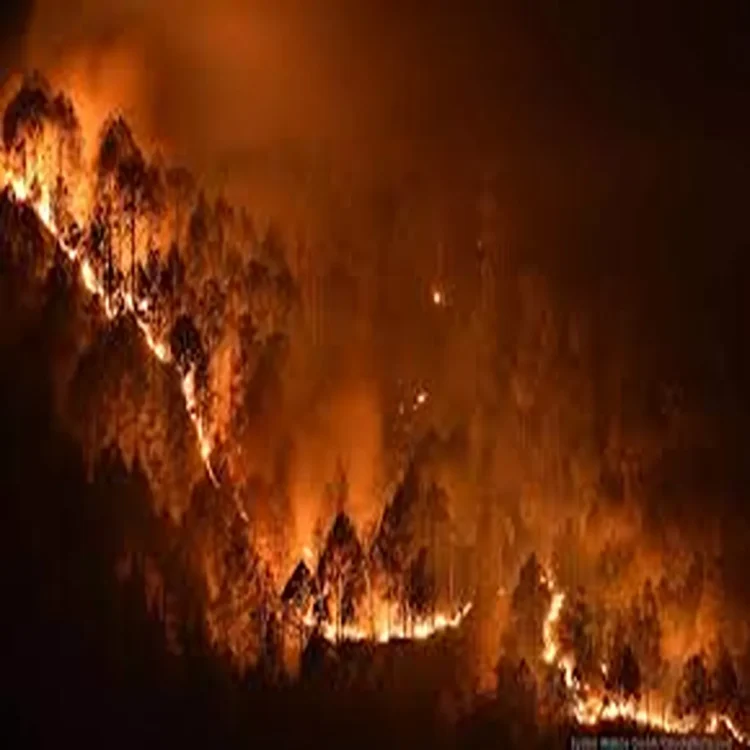
Community Network to Strengthen Prevention Efforts
Authorities believe that involving local communities is key to reducing fire-related damage. The selected villagers will undergo structured training in fire prevention methods and basic firefighting techniques. Some participants will receive advanced instruction and serve as master trainers, helping extend awareness and preparedness across forest-adjacent settlements.
To improve coordination, participants have been connected through WhatsApp groups, enabling real-time communication with forest officials. The department has instructed district-level officers to prepare detailed action plans and maintain direct contact with residents living near vulnerable forest zones.
Heightened Vigilance During Peak Fire Months
Forest areas typically face heightened risk from February until the arrival of the monsoon. Officials have identified March and April as the most critical months, when dry vegetation and rising temperatures significantly increase fire hazards. During this period, round-the-clock monitoring will be enforced through district and range-level control rooms.
The department will work in close coordination with the Government of India and the Disaster Management Department to streamline emergency responses. A toll-free helpline number will also be issued to encourage immediate reporting of fire sightings.
Technology to Aid Early Detection
In addition to community involvement, the state is deploying technological tools to detect and control fires at an early stage. Drones and satellite-based alert systems will be used to identify hotspots quickly. Authorities have also initiated the reactivation of fire lines measuring between 10 and 20 metres wide to prevent flames from spreading across large tracts of forest land.
Regular review meetings are being held with regional and divisional forest officers to assess preparedness. Public representatives and school communities are also being involved in awareness campaigns. Street plays and student-led morning rallies are planned in forest-fringe villages to spread practical knowledge about fire safety.
Rising Incidents Raise Concern
Data from recent years show that forest fire cases in the state have increased by approximately 16 percent. West Singhbhum district has recorded some of the highest numbers of incidents. Between 2001 and 2025, more than 10 percent of the state’s trees are estimated to have been affected by fire-related damage, impacting biodiversity and local ecosystems.
Environmental experts note that recurring fires not only reduce forest cover but also threaten wildlife habitats and disrupt livelihoods dependent on forest resources.
Palamu Tiger Reserve Shows Encouraging Results
A notable improvement has been recorded at the Palamu Tiger Reserve, where fire incidents have dropped sharply. In previous years, the reserve witnessed more than 2,000 reported cases, often resulting in severe damage to flora and fauna. Fires would typically spread across 1.5 to 2 acres once ignited.
Following an intensive awareness drive among local communities, reported incidents have declined by nearly 90 percent. Officials say that only about one-tenth of the earlier number of cases are now being recorded, demonstrating the effectiveness of sustained community engagement.
Human Activities a Major Cause
While extreme heat, dry weather, and strong winds create natural conditions conducive to forest fires, authorities confirm that most incidents are linked to human activity. In many areas, forest dwellers burn dry leaves to gather mahua flowers or clear land for cultivation. Practices such as shifting agriculture and open grazing also heighten fire risks.
Negligence plays a role as well. Discarded cigarette butts, unattended campfires, and careless handling of flammable materials often trigger avoidable blazes. Officials stress that consistent public awareness and responsible behavior remain critical to achieving the goal of zero fire cases.