
Extradition – UK Court Rejects Nirav Modi’s Fresh Legal Challenge
Extradition – The London High Court has declined to reopen the extradition case of fugitive diamond trader Nirav Modi, reinforcing earlier judicial decisions in the long-running matter.
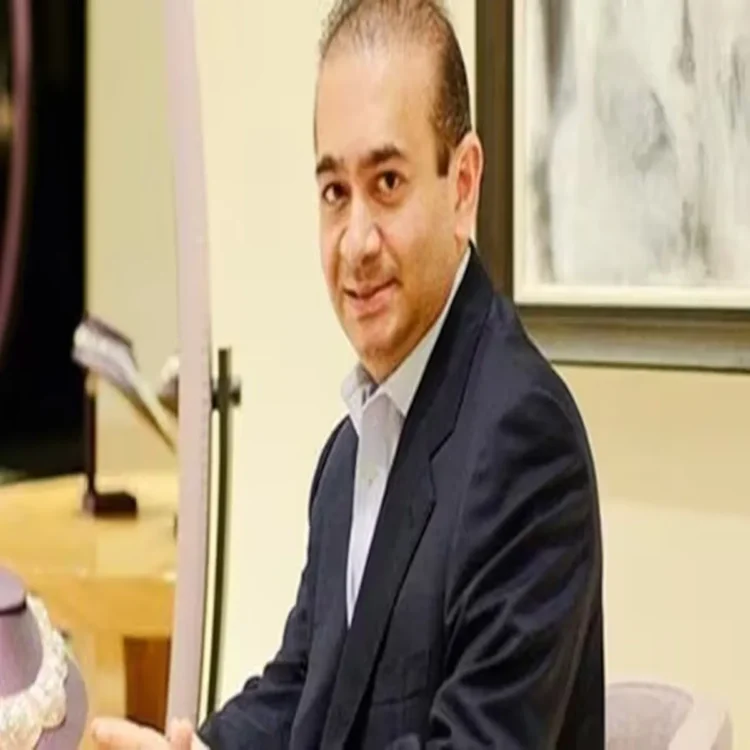
The King’s Bench Division of the High Court in London on Tuesday dismissed a renewed application filed by Nirav Modi seeking to revisit his extradition order to India. The ruling marks another setback for the businessman, who has been contesting his extradition for several years in connection with alleged financial irregularities involving Punjab National Bank.
Court Finds No Exceptional Grounds for Reconsideration
In its decision, the High Court observed that the arguments presented in the latest application did not meet the threshold required to reopen a concluded matter. The bench stated that the circumstances outlined by Modi’s legal team were not sufficiently exceptional to justify revisiting the earlier judgment.
The application had relied on a separate legal precedent linked to the Sanjay Bhandari case. However, the court concluded that the comparison did not warrant any change in its earlier stance. As a result, the request to reopen the proceedings was formally denied.
Strong Opposition from Prosecution Authorities
The case was actively contested by legal representatives of the Crown Prosecution Service, who argued against reopening the matter. Their submissions were supported by officials from India’s Central Bureau of Investigation, including members of the investigative team who travelled to London specifically for the hearing.
The coordinated effort by British prosecutors and Indian investigators underscored the importance attached to the case, which has drawn significant attention due to its financial and legal implications.
Background of the Extradition Case
India has been pursuing Modi’s extradition since 2018 in relation to allegations of large-scale financial misconduct involving a public sector bank. The case centers on claims of fraudulent transactions that resulted in substantial losses.
Modi was taken into custody in the United Kingdom in March 2019. Since then, multiple courts in the UK have examined the case and consistently ruled in favor of his extradition. Earlier appeals filed by the businessman were also dismissed, with judges finding no legal impediments to his transfer to India.
Legal Assurances and Human Rights Concerns
A key aspect of Modi’s defense has been the argument that he could face unfair treatment if extradited. His legal team raised concerns regarding prison conditions and safeguards for his rights upon return to India.
In response, Indian authorities have provided formal assurances addressing these issues. UK courts have previously accepted these assurances as adequate, concluding that they meet the required legal standards to protect the individual’s rights.
In his latest attempt, Modi again questioned whether these assurances were sufficient, drawing on interpretations from the Bhandari judgment. However, the High Court did not find these arguments persuasive enough to reopen the case.
Removal of Earlier Legal Hurdles
The extradition process had faced delays due to certain legal complications, but a significant obstacle was cleared in August 2025. This development had revived momentum in the case, bringing it closer to a final resolution.
Despite this progress, Modi’s legal team has continued to explore available avenues to challenge the extradition order. The latest ruling effectively closes one such avenue, reinforcing the earlier decisions made by UK courts.
Continued Detention in the United Kingdom
Nirav Modi remains in custody in the United Kingdom, where he has been held since his arrest in 2019. With the High Court rejecting his latest petition, the path toward extradition appears clearer, although further legal steps, if any, remain to be seen.
The case continues to be closely watched as it involves cross-border legal cooperation and high-profile financial allegations.