
Environment – Delhi Plans Real-Time Yamuna Monitoring Amid Pollution Concerns
Environment – Delhi’s Environment Minister Manjinder Singh Sirsa has stated that the government will roll out a real-time monitoring system for the Yamuna River and its major drains starting in May. While similar assurances were made earlier this year, officials now indicate that tenders have been finalised, suggesting that the project is finally moving towards implementation.
Monitoring System Details and Key Gaps
According to the plan, the monitoring framework will measure a wide range of water quality indicators, including temperature, flow, pH levels, biological oxygen demand, chemical oxygen demand, suspended solids, nitrogen, phosphorus, ammonium, dissolved oxygen, and conductivity. On the surface, the system appears technologically advanced and comprehensive.
However, experts have pointed out a notable omission: faecal coliform levels, a crucial marker for sewage contamination, are not part of the proposed parameters. This absence raises concerns about whether the system will fully capture the extent of pollution affecting the river.
Data Alone May Not Deliver Results
Delhi has previously invested in real-time environmental monitoring, particularly in tracking air and noise pollution. Despite the availability of continuous data, pollution levels have remained largely unchanged. This experience highlights a broader issue—collecting data does not automatically translate into effective action.
Applying the same approach to the Yamuna may improve understanding of pollution trends, but it does little to tackle the underlying causes. There is a growing concern that such initiatives risk becoming symbolic, offering detailed dashboards without leading to measurable improvements.
Addressing Religious and Community Waste
One of the visible sources of pollution in the Yamuna is the disposal of religious offerings such as flowers and idols. This issue, though persistent, is not difficult to manage. Authorities can install dedicated collection points at riverbanks and bridges, while also encouraging recycling initiatives in partnership with community groups.
Additionally, creating designated immersion tanks could significantly reduce the direct dumping of materials into the river. These are practical measures that require administrative focus rather than advanced technology.
Untreated Sewage Remains the Largest Threat
A more serious contributor to pollution is untreated sewage flowing into the Yamuna through multiple drains. While long-term infrastructure projects often face delays, interim solutions can still make a difference. Partial diversion of sewage and the use of temporary or mobile treatment units could help reduce contamination levels.
Simple interventions such as installing trash barriers and filtration screens at drain outlets can also prevent solid waste from entering the river system.
Importance of Accountability and Enforcement
Illegal sewage connections from residential and industrial areas continue to worsen the situation. In many cases, such violations occur with little oversight. Strengthening accountability mechanisms is essential, including imposing penalties not just on offenders but also on officials who fail to enforce regulations.
Without strict enforcement, even the most advanced monitoring systems are unlikely to bring meaningful change.
Industrial Waste and Compliance Challenges
Although industrial discharge contributes less in volume compared to domestic sewage, it often contains more hazardous substances. Ensuring that industries operate proper treatment facilities and conducting surprise inspections can help mitigate this risk.
Making information about polluting units publicly available may also encourage better compliance through increased transparency.
Concerns Over Floodplain Mismanagement
Reports of waste being dumped onto the Yamuna floodplains, particularly from nearby facilities, point to deeper administrative issues. Preventing such practices does not require new innovations but rather consistent enforcement. Measures like fencing sensitive areas, installing surveillance systems, and imposing penalties can deter illegal dumping.
Need for Better Solid Waste Management
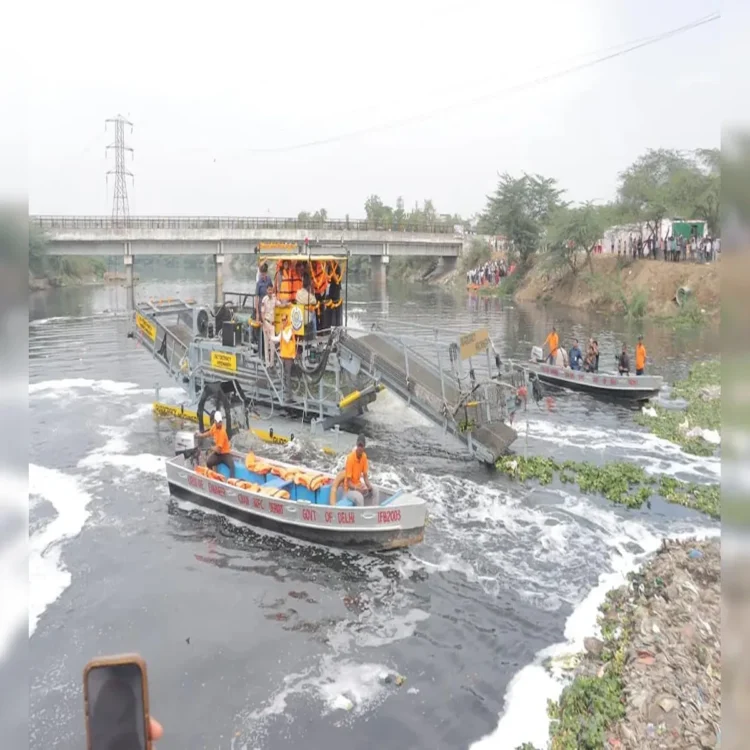
Managing solid waste along the riverbanks is another area that requires urgent attention. Regular mechanised cleaning and the use of floating barriers to trap plastic waste can improve both the environmental and visual condition of the river.
Plastic pollution, in particular, poses long-term ecological risks and needs sustained intervention.
Governance Will Be the Deciding Factor
If even some of these practical steps are implemented effectively, visible improvements in the Yamuna’s condition could be achieved within a relatively short time. Much of the pollution stems from routine practices that can be corrected with consistent effort.
While real-time monitoring can offer valuable insights, it cannot replace decisive governance. Without strong enforcement, accountability, and basic civic management, the initiative risks becoming yet another data-driven exercise with limited impact.