
EnergyCrisis – Induction Cooktops Demand Surges Across India Amid LPG Supply Concerns
EnergyCrisis – India is witnessing a sudden shift in household cooking preferences as concerns grow over potential disruptions in liquefied petroleum gas (LPG) supplies. In several cities, residents have begun purchasing induction cooktops and other electric cooking appliances in large numbers, prompting retailers and online marketplaces to report a sharp rise in demand.
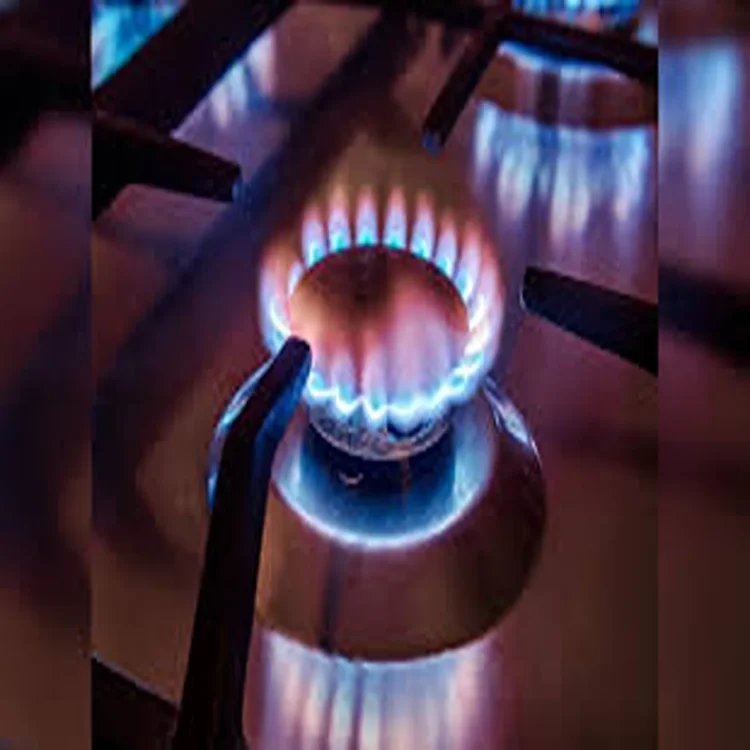
Over the past few days, quick-commerce platforms such as Swiggy and Zepto have listed many induction cooktops as unavailable in several major cities. Online retail data also suggests that consumer demand has increased dramatically compared with the previous few weeks, reflecting growing anxiety among households about possible interruptions in LPG availability.
Online Platforms Record Rapid Increase in Orders
E-commerce platforms have observed a clear surge in sales of induction cooktops over the past week. According to data shared by Flipkart, purchases of these appliances have increased nearly threefold within just four to five days compared with sales recorded over the previous three to four weeks.
Demand has been particularly strong in regions such as Delhi, Kolkata and several parts of Uttar Pradesh. Retail analysts believe that customers are increasingly looking for alternative cooking solutions as a precautionary measure while monitoring developments related to fuel supplies.
Many buyers appear to be ordering induction cooktops not only for immediate use but also as backup appliances in case LPG distribution slows down in certain areas.
Retail Stores Witness Unexpected Customer Rush
The surge in demand is not limited to online marketplaces. Retail appliance stores across cities are experiencing an unusually high number of customers purchasing electric cooking equipment.
In Bengaluru’s Jayanagar locality, an appliance shop reported selling about 350 induction cooktops within a short period. Store staff said customer enquiries began increasing sharply earlier in the week, with many buyers specifically asking for electric stoves.
Mahendra Appliances in the same area sold around 70 units in a single day, a figure that typically represents an entire month’s sales. Shop representatives said many customers are purchasing induction cooktops as a precautionary option while monitoring news about LPG supply.
LPG Consumption and Import Dependence
India consumes roughly 31.3 million tonnes of LPG annually, according to industry estimates. A significant portion—around 87 percent—is used by households for daily cooking, while the rest is consumed by commercial establishments such as hotels, restaurants and food service businesses.
Domestic production alone does not meet the country’s requirements. Nearly 62 percent of the LPG used in India is imported from overseas markets, making supply chains and international trade routes crucial for maintaining steady availability.
Industry experts note that disruptions affecting shipping routes or fuel exports from supplier nations can quickly influence domestic supply patterns.
West Asia Tensions Affect Global Supply Routes
The growing concern over LPG availability has been linked to geopolitical tensions in West Asia. Recent developments involving the United States, Israel and Iran have reportedly affected the Strait of Hormuz, one of the world’s most important energy shipping routes.
India sources nearly 85 to 90 percent of its LPG imports from West Asian countries including Saudi Arabia and Qatar. Any disruption in shipping through the Strait of Hormuz could therefore impact the timely arrival of LPG shipments to Indian ports.
Although authorities have not announced widespread shortages, consumers appear to be taking precautionary measures by preparing alternative cooking arrangements.
Delhi Retailers See Sharp Increase in Electric Appliance Sales
Retailers in the national capital have also reported a noticeable increase in demand for induction cooktops, infrared stoves and related cooking appliances. Shop owners say the surge has become particularly visible over the past two days.
A hardware store owner in Connaught Place said his shop recorded more than 200 walk-in customers in a single day, while hundreds more contacted the store by phone to enquire about electric cooking equipment.
Previously, induction cooktops were mostly purchased by restaurants, catering services and small hospitality businesses. However, retailers say many households are now buying them as an emergency backup.
Rising Demand for Compatible Cookware
Along with cooking appliances, retailers are also seeing higher sales of induction-compatible cookware. Utensils such as stainless steel cookware and cast-iron pans designed for induction cooking are being purchased alongside the appliances.
Store employees in Delhi’s Lajpat Nagar reported that induction cooktop sales have risen by roughly 75 percent, while the sale of compatible cookware has increased by nearly 70 percent during the same period.
Customers shifting to electric cooking methods often require new utensils because traditional cookware may not function effectively on induction stoves.
Restaurants Also Exploring Alternative Cooking Methods
The situation is also affecting the restaurant industry, which depends heavily on LPG cylinders for kitchen operations. Industry representatives say that while most restaurants continue using LPG, some establishments have started experimenting with electric cooking methods.
Restaurant operators caution that switching to induction or electric cooking may require adjustments to menus because certain dishes are difficult to prepare without gas-based flames.
Around 70 to 80 percent of restaurants rely on LPG cylinders. Some smaller establishments have reportedly faced challenges in securing consistent supplies, while others are temporarily exploring alternatives such as coal or wood-based cooking. Restaurants connected to piped gas networks, however, are currently experiencing fewer supply concerns.