
Energy – India Monitors Oil Shipments Amid Strait of Hormuz Tensions
Energy – Former Union Minister and senior Congress leader P. Chidambaram on Thursday described as reassuring the development that 22 India-bound vessels are currently waiting to pass through the Strait of Hormuz, carrying critical energy supplies for the country. At the same time, he expressed concern over the broader geopolitical situation, attributing global instability to the ongoing conflict involving Iran.
Concerns Over Global Impact of Conflict
Chidambaram criticised former US President Donald Trump’s role in escalating tensions with Iran, stating that the conflict has contributed to uncertainty across international markets. He emphasised the need for de-escalation, warning that prolonged hostilities could disrupt not just regional stability but also global trade and energy security.
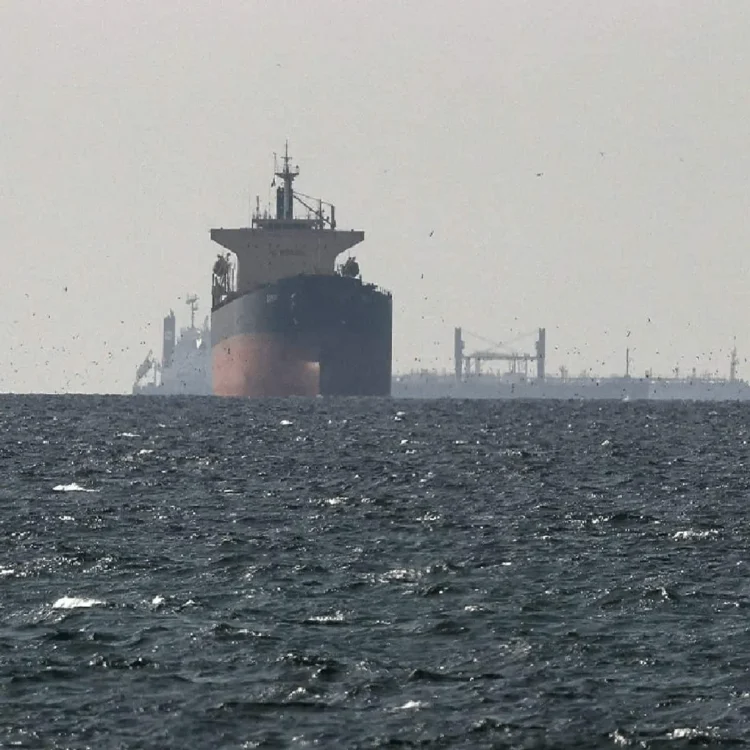
He noted that the presence of multiple Indian vessels carrying crude oil, liquefied natural gas (LNG), and liquefied petroleum gas (LPG) highlights the country’s dependence on uninterrupted maritime routes through the region.
Status of Indian Vessels and Crew Safety
Providing an official update, Rajesh Kumar Sinha, Additional Secretary in the Ministry of Ports, Shipping and Waterways, confirmed that 22 Indian-flagged ships operating in and around the Strait of Hormuz are currently safe. These vessels have a total of 611 crew members on board, all of whom are reported to be secure despite the tense environment.
Authorities are maintaining constant communication with ship operators and monitoring developments closely to ensure that there is no immediate threat to personnel or cargo.
Successful Arrival of Oil and Gas Tankers
Amid the uncertainty, there has been some positive movement. The crude oil tanker Jag Laadki, carrying approximately 80,886 metric tonnes of crude oil, recently reached Gujarat without incident. Its safe arrival is seen as a significant relief given the volatile conditions in the region.
In addition, two LPG carriers—MT Shivalik and MT Nanda Devi—successfully navigated the Strait of Hormuz earlier this month. These vessels transported a combined cargo of around 92,712 metric tonnes of LPG and reached Indian ports on March 16 and 17, respectively.
Naval Deployment Ensures Maritime Security
India has continued its naval deployment in the region under Operation Sankalp, an initiative aimed at safeguarding commercial shipping routes. The operation focuses on maintaining a secure maritime environment, ensuring that Indian vessels can transit safely through strategic waterways like the Strait of Hormuz.
The presence of the Indian Navy has played a crucial role in reassuring both shipping companies and stakeholders involved in energy logistics.
Government Steps to Maintain Trade Flow
The Directorate General of Shipping is actively tracking the situation in coordination with shipping companies, recruitment agencies, and Indian missions abroad. Officials are working to ensure that maritime operations continue with minimal disruption.
The Union Shipping Minister is also closely overseeing developments, reflecting the importance of the issue at the highest levels of government.
To further support the shipping sector, ports across India have been advised to provide necessary relief measures. These include possible concessions on anchorage fees, berth charges, and storage costs, aimed at easing operational challenges faced by shipping companies.
Focus on Stability and Preparedness
As tensions persist in the Strait of Hormuz, India’s approach remains focused on preparedness, coordination, and safeguarding its energy supply chain. With a significant portion of the country’s oil and gas imports passing through this critical route, maintaining stability in the region continues to be a top priority.
Officials have reiterated that all necessary steps are being taken to ensure that maritime trade remains uninterrupted and that the safety of Indian vessels and crew members is not compromised.