
Energy – Government Pushes PNG Adoption Amid Global Supply Disruptions
Energy – The government has stepped up efforts to strengthen urban energy systems as global supply chains face pressure due to the ongoing West Asia crisis, urging city gas distributors to accelerate the adoption of piped natural gas (PNG).
Government Advises Priority for Commercial PNG Connections
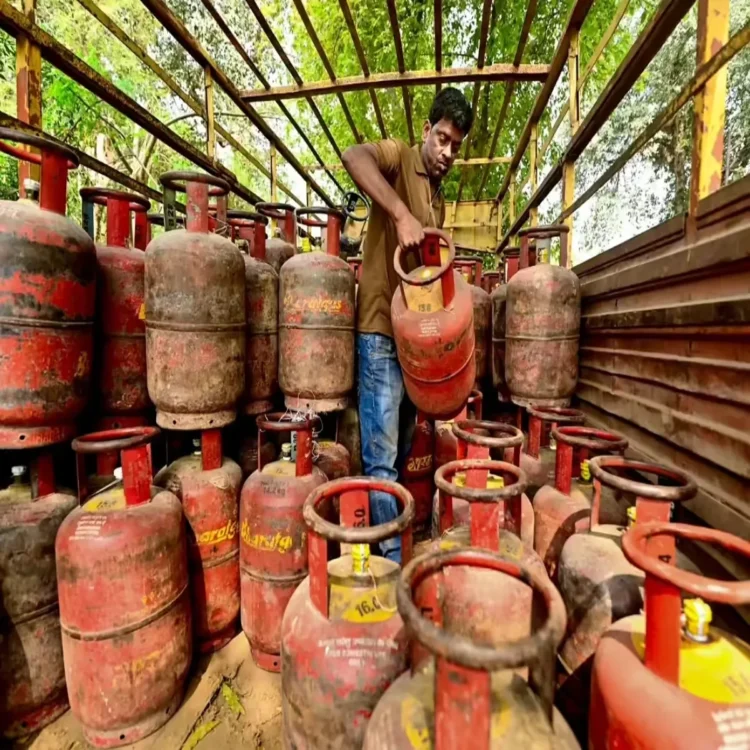
In response to the evolving geopolitical situation affecting fuel availability, authorities have instructed city gas distribution companies to prioritise PNG connections for commercial users such as hotels, restaurants, and canteens. The move is aimed at reducing dependence on liquefied petroleum gas (LPG), which is more vulnerable to supply disruptions.
Major CGD operators, including Indraprastha Gas Limited, Mahanagar Gas Limited, GAIL Gas, and Bharat Petroleum Corporation Limited, have also been encouraged to streamline their processes. They are now offering incentives to consumers while working to reduce the waiting period between application submission and gas supply activation.
Push for Faster Network Expansion Across States
The Petroleum and Natural Gas Regulatory Board has directed companies to improve efficiency in rolling out new connections. At the same time, state governments and Union Territories have been asked to speed up approvals required for expanding CGD infrastructure.
Officials have emphasised that faster administrative clearances will play a crucial role in ensuring wider access to PNG, especially in densely populated urban areas. The Centre has made it clear that collaboration with local authorities is essential to meet the growing demand and ensure energy stability.
Incentives Linked to Long-Term Transition Goals
To support this transition, the central government has offered states and Union Territories an additional 10 percent allocation of commercial LPG. However, this benefit comes with a condition: states must actively promote the shift from LPG to PNG over the long term.
According to the Petroleum Ministry, the responsibility now lies with regional administrations to drive reforms on the ground. This includes expanding pipeline networks and facilitating quicker issuance of connections to both residential and commercial users.
Rising Shift from LPG to PNG
Recent data indicates that the transition is already underway. More than 13,700 new PNG connections have been issued in recent days, while over 7,300 consumers have switched from LPG to PNG. This shift is helping ease pressure on LPG demand at a time when supply concerns persist globally.
Despite uncertainties in international markets, authorities have confirmed that there have been no reports of LPG shortages at distribution points. Supply chains remain intact, ensuring uninterrupted availability for consumers.
Decline in Panic Bookings Signals Stability
One notable development has been a sharp decline in panic bookings for LPG cylinders. Figures show a drop from approximately 8.9 million bookings on March 13 to around 5.5 million by March 20. This indicates improving consumer confidence and a stabilising supply situation.
Domestic LPG deliveries are continuing as usual, with no significant disruptions reported. The government has reassured citizens that essential supplies are being maintained despite external pressures.
Priority Allocation for Essential Services
To manage available resources efficiently, around 18 states and Union Territories have issued directives for the allocation of non-domestic LPG. Essential services such as hospitals and educational institutions are being given priority, receiving nearly half of the total commercial LPG supply.
In the past week alone, approximately 11,360 metric tonnes of commercial LPG have been distributed. At the same time, critical sectors continue to receive uninterrupted energy supply, including full allocation for domestic PNG users and compressed natural gas (CNG) used in transport.
Balanced Approach to Energy Security
The government’s strategy reflects a broader effort to balance immediate supply needs with long-term energy security goals. By encouraging a gradual shift to PNG, authorities aim to build a more resilient and less import-dependent urban energy system.
As global uncertainties persist, the focus remains on ensuring uninterrupted fuel availability while accelerating infrastructure development that supports cleaner and more reliable energy alternatives.