
Energy – Delhi Civic Meeting Disrupted as LPG Shortage Sparks Protests
Energy – A scheduled meeting of the Municipal Corporation of Delhi (MCD) on Friday ended abruptly after opposition councillors staged a protest over the ongoing shortage of LPG cylinders, preventing the House from taking up its planned agenda.
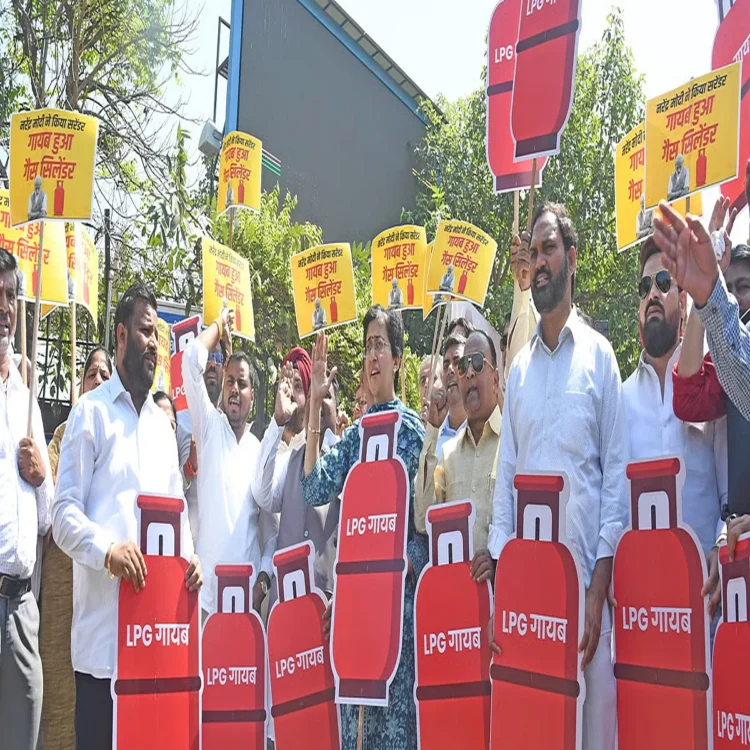
Protest Erupts Minutes After Session Begins
The disruption began shortly after proceedings commenced, with the Mayor, Commissioner, and senior officials present. Opposition members entered the chamber holding placards shaped like cooking gas cylinders and raised slogans highlighting the difficulties faced by citizens due to the supply crunch. The protest quickly escalated, leaving the presiding officials with little choice but to adjourn the meeting before any formal discussions could begin.
LPG Shortage Becomes Political Flashpoint
The shortage of LPG, particularly for commercial use, has been affecting daily life across several regions, including the national capital. Restaurants, small food vendors, and roadside eateries are among the worst hit, struggling to continue operations amid limited supply. The issue has also gained political attention, with opposition parties using it to question the administration’s preparedness and response.
The supply constraints are being linked to global developments, including tensions in West Asia, which have impacted fuel availability and distribution chains. As a result, both households and businesses are facing rising uncertainty over access to essential cooking fuel.
Key Waste Management Proposal Left Unaddressed
Friday’s meeting was expected to deliberate on multiple civic matters, including a major proposal related to waste management infrastructure. One of the primary agenda items was the development of a processing facility at the Ghazipur integrated freight complex. The proposed plant, with a minimum capacity of 800 tonnes per day, is intended to handle fresh waste and manage by-products efficiently.
The civic body has been working on clearing legacy waste at the Ghazipur landfill through bio-mining efforts since 2019. However, the continuous inflow of fresh waste has posed challenges to long-term waste management goals. Officials believe that establishing a dedicated processing unit is essential to address the issue sustainably.
Land Allocation Plan for New Facility
According to the proposal, the municipal corporation plans to allocate approximately five acres of land at Pocket C in Ghazipur for setting up the facility. The land would be handed over to a concessionaire responsible for building and operating the plant. The project aims to ensure daily processing of waste, thereby reducing the burden on existing landfill sites.
Due to the adjournment of the meeting, discussions on this and other civic proposals could not take place, delaying decisions on key infrastructure projects.
Police Crack Down on Illegal LPG Operations
In a separate development, Delhi Police uncovered an illegal LPG storage and refilling operation during raids in parts of Rohini. Two individuals, identified as Kunwar Pal and his son Pankaj Pal, were arrested in connection with the case.
Authorities seized 50 gas cylinders along with equipment used for unauthorized refilling. The operation was being conducted from residential areas in Sukhbir Nagar and Rama Vihar, raising safety concerns. Police officials stated that further investigation is underway to determine the scale of the network and identify any additional individuals involved.
The incident highlights the risks associated with black-market LPG activities, especially at a time when legitimate supply is under strain.
Growing Concerns Over Supply and Safety
The dual challenges of LPG shortage and illegal distribution have raised broader concerns about supply management and public safety. Officials are expected to review both enforcement measures and supply mechanisms to ensure that essential fuel reaches consumers without disruption.
With the issue now entering political discourse and affecting everyday life, it remains a key area of concern for both policymakers and the public