
Empowerment – Women Drive India’s Growth Through Leadership and Inclusion
Empowerment – India’s growth narrative is often described through economic indicators and infrastructure gains, but a more profound change has been unfolding quietly across society. Over the past decade, women have increasingly moved beyond traditional roles to become key decision-makers, innovators, and leaders influencing the country’s future direction.
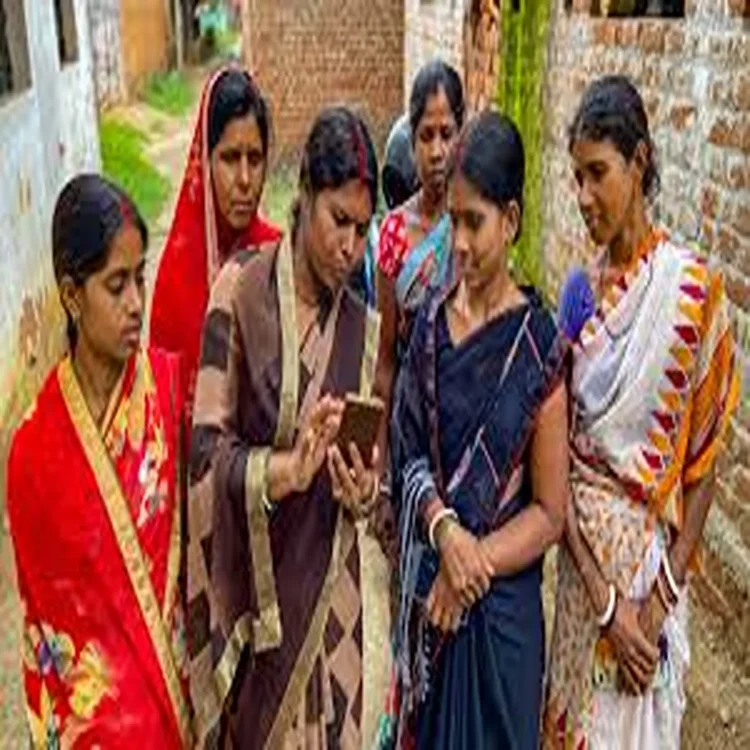
Rise of Women in Governance
One of the most visible shifts has taken place in grassroots governance. Nearly half of the elected representatives in Panchayati Raj institutions are now women, with over 12 lakh women actively participating in local administration. This growing representation has strengthened decision-making at the community level and brought diverse perspectives into governance.
A major step forward came with the passage of the Nari Shakti Vandan Adhiniyam, which reserves one-third of seats for women in the Lok Sabha and state assemblies. While the law marks a significant milestone, its true impact will depend on timely and effective implementation. Ensuring that women occupy these positions will help create a more inclusive political system.
Changing Social Indicators
For many years, gender imbalance influenced India’s demographic trends. However, recent data indicates a gradual improvement. Programs such as Beti Bachao Beti Padhao have contributed to changing public attitudes toward the value of the girl child. The National Family Health Survey-5 reported a sex ratio of 1,020 females per 1,000 males, reflecting a positive shift.
Support for maternal health has also expanded. Under the Pradhan Mantri Matru Vandana Yojana, financial assistance has been provided to millions of pregnant women, improving access to healthcare and reducing financial stress during childbirth.
Financial Inclusion and Entrepreneurship
Economic empowerment has played a crucial role in strengthening women’s participation. Government-backed financial schemes have enabled greater access to credit and banking services. A significant proportion of loans under the Mudra Yojana have been availed by women, helping them start and expand small businesses.
Similarly, the Jan Dhan Yojana has brought millions of women into the formal banking system, giving them greater control over their finances. This inclusion has laid the foundation for entrepreneurship and long-term economic independence.
Grassroots Transformation Through Self-Help Groups
At the village level, self-help groups have emerged as powerful engines of change. Around 10 crore women are now part of these collectives, which promote savings, credit access, and small-scale enterprise. Many of these women have moved from subsistence-level activities to stable income generation.
Initiatives such as Lakhpati Didi aim to increase household earnings by supporting women-led enterprises. Access to institutional credit has further strengthened these efforts, enabling women to scale their ventures and improve their standard of living.
Improving Quality of Life
Empowerment is not limited to economic or political participation. It also involves improving everyday living conditions. The expansion of clean cooking fuel under the Ujjwala Yojana has reduced health risks associated with traditional fuels. Sanitation coverage has improved significantly through large-scale toilet construction, enhancing safety and dignity.
Housing schemes have also contributed to women’s security, with a majority of beneficiaries being women. Ownership of homes has strengthened their financial stability and social standing.
Entry Into New Sectors
Women are increasingly entering fields that were once considered inaccessible. From agriculture to technology, their presence is growing steadily. Training programs have equipped women farmers with modern techniques, while new initiatives are preparing women to take up roles such as drone pilots.
Workplace reforms have also supported this transition by promoting equal pay, safe working conditions, and opportunities across sectors, including night shifts with safeguards.
Strengthening Institutional Support
Organizations like the National Commission for Women have expanded their outreach through awareness campaigns, training programs, and grievance redress mechanisms. Efforts to build leadership skills and digital capabilities among women are helping them adapt to a rapidly changing environment.
A Defining Moment Ahead
India stands at a crucial juncture where the progress achieved in women’s empowerment can be scaled further. The effective implementation of legislative reforms, combined with continued investment in education, health, and financial inclusion, can accelerate this transformation.
The ongoing shift toward women-led development is not just a policy outcome but a societal evolution. As women continue to take on leadership roles across sectors, they are shaping a more inclusive and balanced future for the country.