
ElectricMobility – Delhi Unveils Major Transport Overhaul With EV Push
ElectricMobility – The Delhi government has announced a comprehensive plan to accelerate the adoption of electric mobility while strengthening the city’s public transport infrastructure, backed by significant budget allocations.
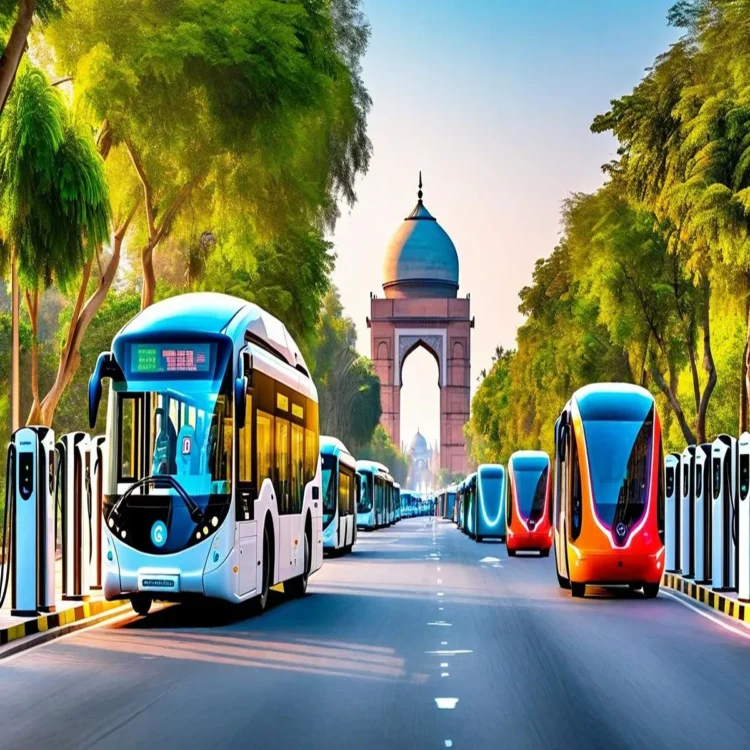
The upcoming policy places strong emphasis on reducing emissions and modernizing transportation systems across the national capital. With an allocation of Rs 200 crore specifically earmarked for promoting electric vehicles, the government aims to make cleaner mobility more accessible and efficient for residents.
Focus on Expanding Electric Bus Fleet
A key component of the plan is the expansion of Delhi’s electric bus network. Authorities have outlined a phased rollout under the PM e-DRIVE initiative, which includes the addition of 6,130 electric buses in the coming years. This move is expected to significantly cut down on pollution levels while improving public transport reliability.
Officials confirmed that by March 2027, the total number of buses operating in the city will reach 7,500. Out of these, approximately 5,800 buses will run on electric power. Looking further ahead, the government has set an ambitious target of deploying 12,000 electric buses by 2029, positioning Delhi as one of the leading cities in sustainable urban transport.
Increased Budget for Transport Infrastructure
The transport department has been allocated Rs 12,613 crore in the proposed budget, reflecting the government’s commitment to upgrading infrastructure. A notable portion of this funding—Rs 2,885 crore—has been reserved for the expansion of metro connectivity under Phase IV and Phase V projects.
These metro developments are expected to ease commuting pressure on roads while offering faster and more environmentally friendly travel options to millions of daily passengers.
New Regional Corridors to Cut Travel Time
In addition to urban transport improvements, the government has approved two new NaMo Bharat corridors: Delhi-SNB and Delhi-Panipat-Sonipat. These corridors are designed to enhance regional connectivity and significantly reduce travel time.
According to officials, commuters can expect travel durations to decrease by up to 60 percent once these corridors become operational. The initiative is also expected to contribute to lower vehicular emissions by encouraging a shift from private vehicles to mass transit systems.
Upgrading Testing and Maintenance Facilities
To support the growing fleet of vehicles, the government plans to establish five new automated vehicle testing stations. These facilities will be set up at key DTC depots, including Bawana, Ghazipur, Savda Ghevra, GT Karnal Road, and Dwarka Kalan.
These testing centers are expected to improve vehicle safety standards and ensure compliance with emission norms. Regular monitoring through automated systems will help maintain operational efficiency across the transport network.
Investment in Charging Infrastructure
Recognizing the importance of supporting infrastructure, the government has proposed an allocation of Rs 320 crore for the electrification of bus depots and the development of charging facilities in the financial year 2026–27.
This investment will play a critical role in enabling the smooth transition to electric buses, ensuring that charging stations are widely available and capable of handling increased demand as the fleet expands.
Plans to Address Traffic Congestion
Beyond public transport improvements, efforts are also being made to tackle traffic congestion across the city. The government has allocated Rs 10 crore for conducting feasibility studies related to new flyovers, elevated corridors, and a parallel ring road.
These studies will assess the viability of infrastructure projects aimed at improving traffic flow and reducing bottlenecks in high-density areas. If approved, these developments could further enhance mobility and reduce commute times for residents.
A Step Toward Cleaner Urban Mobility
The combined initiatives reflect a broader strategy to transform Delhi’s transport ecosystem into a cleaner, more efficient, and future-ready system. By integrating electric mobility with expanded infrastructure and improved connectivity, the government aims to address both environmental concerns and the growing demand for reliable public transport.