
Elections – West Bengal Voter List Update Sparks Review Process
Elections – The first supplementary list concerning voters flagged under the “logical discrepancy” category is scheduled for release later on Monday, marking a significant step in the ongoing electoral verification exercise in West Bengal.
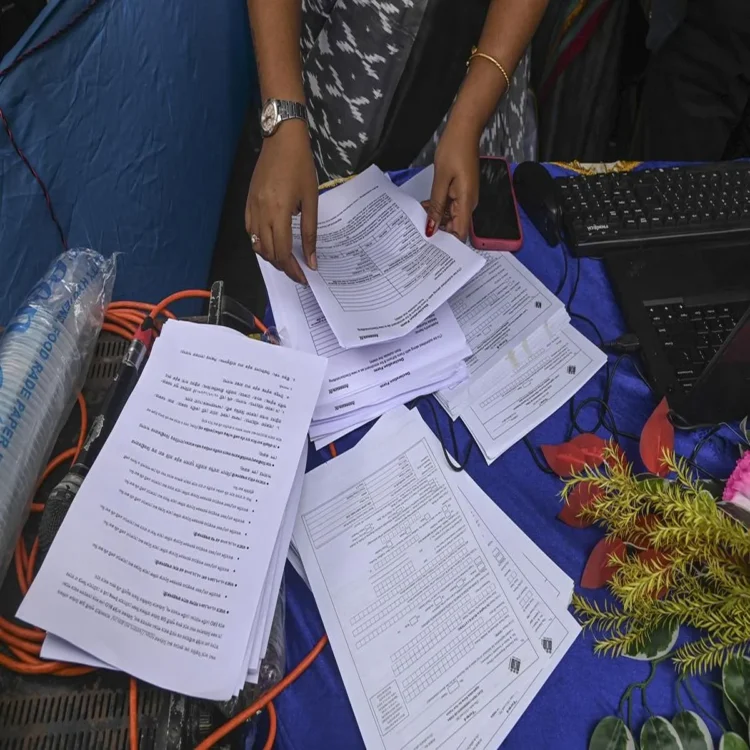
Judicial Review Progress and Key Figures
According to data from the office of the Chief Electoral Officer (CEO) in West Bengal, judicial scrutiny has already been completed for approximately 28.06 lakh cases as of Sunday night. These cases will now be included in the upcoming supplementary list, which will classify entries under two categories — approved and rejected.
Sources within the CEO’s office indicated that nearly 34 percent of the reviewed cases have been marked as potentially excludable. However, individuals whose names fall under this category will not be left without recourse. They will have the opportunity to challenge the decision through 19 specially established Appellate Tribunals.
Background of the Electoral Roll Revision
Earlier this year, on February 28, the final electoral roll was published after excluding nearly 60 lakh names that had been sent for judicial adjudication. This move followed directives from the Supreme Court, which mandated periodic updates through supplementary lists based on the progress of the review process.
Monday’s release represents the first such supplementary update, reflecting the outcomes of the adjudication completed so far. Officials expect additional lists to follow as more cases are processed.
Accessibility of the Supplementary List
Authorities have confirmed that the updated list will be distributed to district magistrates and district election officers by the afternoon. From the evening onward, voters will be able to access the information online through the Election Commission of India’s official website.
In addition to digital access, the supplementary list will also be made available at multiple physical locations, including polling booths, Block Development Offices (BDO), Sub-Divisional Offices (SDO), and District Magistrate (DM) offices. This multi-channel approach is intended to ensure transparency and ease of access for the public.
Security Measures Ahead of Publication
Anticipating possible public reactions, especially from those whose names may be excluded, the state administration has put in place extensive security arrangements. These measures are being implemented under the guidance of the Election Commission of India to prevent any unrest or disturbances following the publication.
A high-level security meeting was convened on Sunday at the CEO’s office. During this session, CEO Manoj Kumar Agarwal held discussions with the Joint Force Deployment Committee regarding preparedness for the upcoming elections.
Deployment Strategy for Forces
Officials involved in the meeting outlined a detailed strategy for the deployment of security personnel across the state. The plan includes determining the number of personnel required in different regions, their positioning, and operational protocols.
The meeting saw participation from several key officials, including state police nodal officer Anand Kumar, special police observer N.K. Mishra, and central force nodal officers Shalav Mathur and Gaurav Sharma. Their discussions focused on ensuring a coordinated and effective security framework.
High-Level Coordination with Central Authorities
In parallel, senior officials at the Election Commission headquarters in New Delhi are set to conduct a virtual review meeting later in the day. This session will involve district magistrates, police superintendents, and commissioners from various police units across West Bengal.
The objective of this meeting is to assess preparedness at the district level and ensure that both administrative and security arrangements are aligned ahead of the elections.
Upcoming Election Schedule
The West Bengal Assembly elections will be conducted in two phases. Voting is scheduled for April 23 in 152 constituencies, followed by the second phase on April 29 covering the remaining 142 constituencies.
With the release of the supplementary voter list and security measures in place, authorities are aiming to ensure a smooth and transparent electoral process across the state.