
Elections – Voter Roll Revision Sparks Debate Ahead of Bengal Polls
Elections – The recent revision of electoral rolls in West Bengal has led to the removal of nearly 91 lakh names, a development that is drawing attention ahead of the upcoming Assembly elections scheduled across 294 constituencies on April 23 and 29. The exercise, conducted under a Special Intensive Revision process, has significantly reduced the state’s total number of registered voters and triggered political discussions over its possible impact.
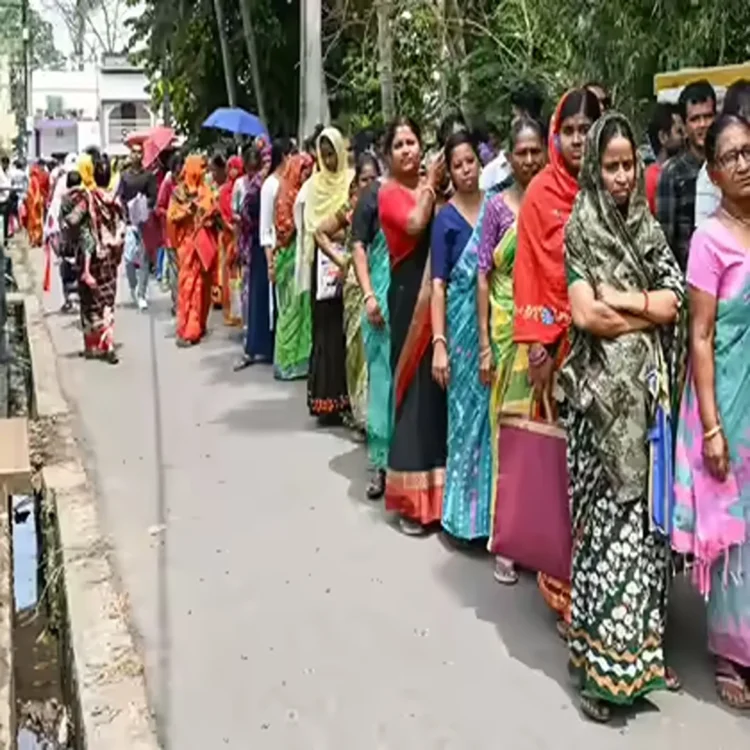
Large-Scale Deletions During Revision Exercise
According to official data, the deletions include around 64 lakh individuals categorized as absent, shifted, deceased, or duplicate entries. In addition, nearly 27 lakh voters were removed after being adjudicated as ineligible. Following this revision, the total electorate in the state has declined by approximately 12%, dropping from 7.66 crore to about 6.76 crore.
Another notable outcome of the exercise is a decline of over 5% in the proportion of Muslim voters, a demographic that has historically played a significant role in the state’s electoral outcomes.
Impact on Key Districts and Constituencies
A closer look at district-level figures suggests that the scale of deletions could influence electoral dynamics in several regions. In Kolkata, where all 11 constituencies were won by the ruling party in the previous election, nearly 6.97 lakh names have been removed. This number is higher than the party’s combined winning margin of 4.55 lakh votes in 2021.
In Nadia district, which has 17 seats, about 4.80 lakh voters have been deleted. This is considerably higher than the narrow margin of just over 20,000 votes that separated the leading parties in the last Assembly election.
North 24 Parganas, a politically significant district with 33 constituencies, has seen more than 12 lakh deletions. This figure surpasses the earlier winning margin of over 9 lakh votes recorded in 2021.
Northern Districts Show Similar Trends
In North Dinajpur, around 3.63 lakh voters have been removed, exceeding the margin recorded in the previous election. South Dinajpur has also witnessed a notable reduction, with approximately 1.79 lakh names deleted, which is more than three times the earlier winning gap.
These figures indicate that the revision has not been limited to a few areas but has affected multiple districts across the state.
Murshidabad Records Highest Deletions
Murshidabad district has emerged as the most affected region in terms of voter deletions. Out of over 11 lakh adjudicated voters, more than 4.5 lakh were found ineligible, contributing to a total deletion of nearly 7.5 lakh names across its 22 constituencies.
Several constituencies in the district have reported large-scale removals, with some recording over 60,000 deletions each. Samserganj alone saw more than 90,000 names removed, the highest in the state, followed by Lalgola with over 68,000 deletions.
In the 2021 Assembly elections, the ruling party had secured 20 out of 22 seats in this district, highlighting its political importance.
Border Districts and Demographic Concerns
Across border districts such as Cooch Behar, Jalpaiguri, Darjeeling, Malda, Murshidabad, and both North and South 24 Parganas, reports suggest that more than 70% of the deleted voters belong to the Muslim community. These districts have traditionally seen strong support for the ruling party from this demographic group.
Observers note that any significant shift in voter composition could influence electoral outcomes, especially in constituencies where Muslim voters form a sizeable portion of the electorate. In the last Assembly election, a large majority of seats with high Muslim populations were won by the ruling party.
Political Reactions and Allegations
The large-scale deletions have prompted strong reactions from political leaders. The Chief Minister has raised concerns over the removal of adjudicated voters, alleging that the process may have been influenced by political considerations. She has questioned the rationale behind the deletions in several districts and constituencies, suggesting that the move could affect the fairness of the electoral process.
As the state prepares for voting later this month, the revised electoral rolls are expected to remain a key point of discussion among political parties and observers alike.