
Elections – Tirupur Textile Industry Faces Slump Ahead of Poll Season
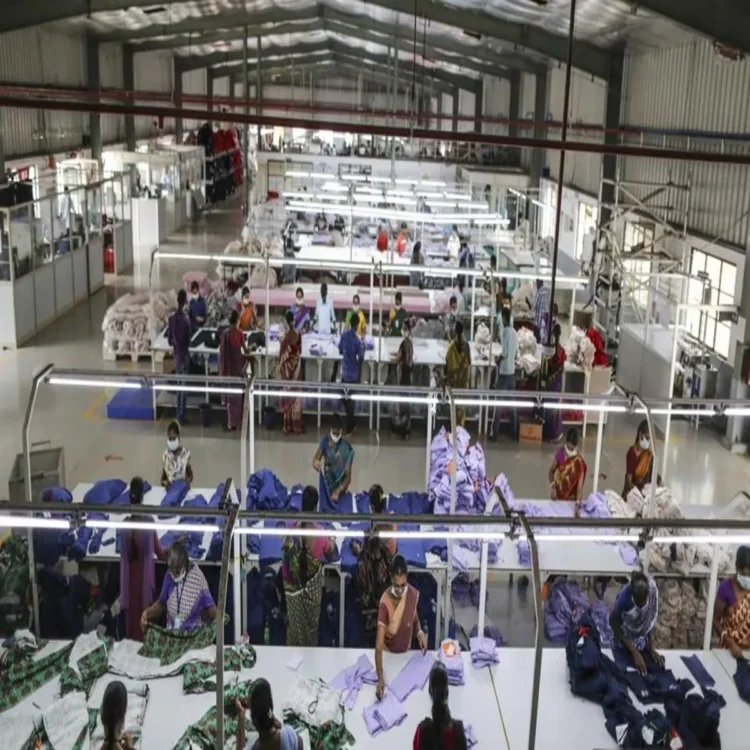
Elections – As Tamil Nadu prepares for its Assembly elections scheduled on April 23, Tirupur’s well-known textile sector is experiencing an unexpected slowdown. Traditionally, election season has been a period of strong business for manufacturers in the region, but this year, demand for campaign-related products has declined noticeably.
Shift Toward Digital Campaigning
Industry participants attribute the slowdown largely to changing political campaign methods. Political parties are increasingly relying on digital platforms and social media to reach voters, reducing the need for large public gatherings. In earlier elections, such rallies drove substantial orders for items like printed T-shirts, caps, and flags. The reduced emphasis on physical events has directly impacted production volumes.
Manufacturers say this transition has altered a long-standing seasonal business pattern. Units that would typically run at full capacity during election periods are now operating below expectations. The growing preference for online outreach has diminished reliance on traditional campaign merchandise.
Decline in Customized Campaign Materials
Another significant change is the drop in demand for personalized items. In previous election cycles, candidates often commissioned customized products featuring their names, party symbols, and slogans. This helped strengthen local visibility and identity during campaigns.
However, this trend has weakened considerably. Fewer candidates are opting for such tailored materials, reflecting a broader move away from localized branding efforts. The shift suggests that parties are prioritizing broader, more centralized messaging rather than individual candidate promotion.
Changing Grassroots Campaign Practices
Campaign styles at the ground level have also evolved. Earlier, party workers would commonly wear branded clothing during door-to-door outreach, creating a visible presence in neighborhoods. Now, cost considerations are influencing these practices.
Instead of printed apparel, many workers are choosing simpler and more affordable alternatives such as plain towels. These items serve basic visibility needs while keeping expenses low, further reducing demand for textile-based campaign products.
Impact on Related Product Segments
The slowdown extends beyond garments. Accessories like caps, which once saw strong sales during election periods, are now witnessing a sharp decline in actual orders. Even when initial inquiries are made, many do not convert into confirmed purchases.
Flag manufacturers are facing similar challenges. A significant portion of pre-produced inventory remains unsold as polling day approaches, leading to financial strain for businesses that anticipated higher demand.
Delays and Limited Production Windows
Delays in finalizing political alliances and announcing candidates have also affected the industry. Manufacturers typically depend on early clarity to begin large-scale production. This year, the late confirmation of candidates has shortened the window available for campaign-related orders.
Producers note that most orders now arrive only after nominations are officially confirmed, leaving limited time for manufacturing and delivery. This has prevented many businesses from scaling up operations as they would in previous election cycles.
Emerging Competition and Market Pressures
Adding to the challenges is increased competition from suppliers in North India offering lower-cost alternatives. Buyers are increasingly opting for cheaper, disposable materials rather than higher-quality cotton products produced in Tirupur.
While some new political entrants have generated a modest level of demand, the tight timelines have restricted manufacturers from fully benefiting from these opportunities. The combination of pricing pressure and reduced order volumes has created a difficult environment for the industry.
Uncertain Outlook for Recovery
With polling day approaching, there is uncertainty about whether demand will improve. The ongoing shift toward digital campaigning appears to be a lasting trend, raising questions about the future of traditional election-driven business cycles in Tirupur.
Manufacturers are now closely watching how political strategies evolve in the coming years, as technology continues to reshape campaign practices and their impact on associated industries.