
Elections – Parliament Session and Women’s Reservation Debate Gain Momentum
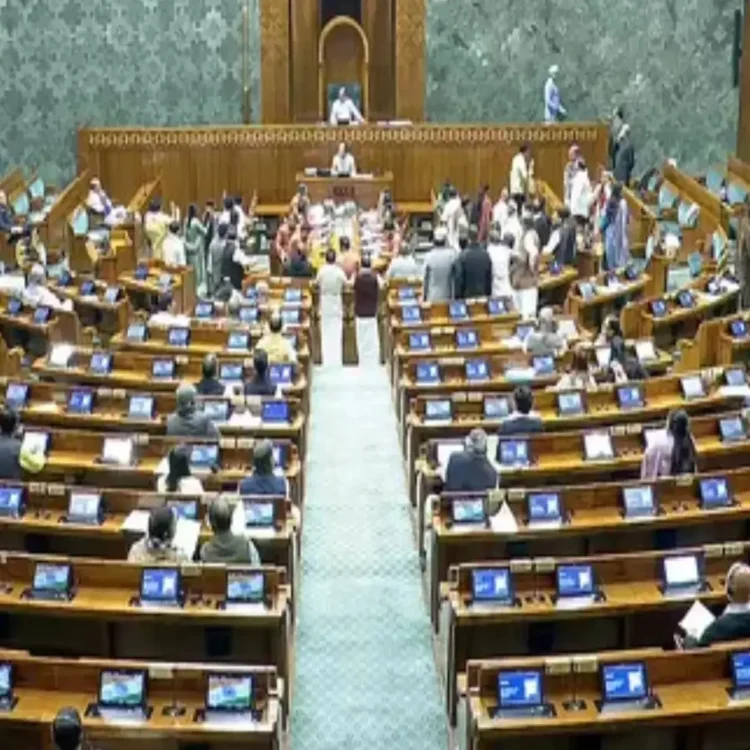
Elections – Prime Minister Narendra Modi is scheduled to address a unique gathering titled the ‘Nari Shakti Vandan Sammelan’ in New Delhi on Monday, just days before a special three-day session of Parliament set to take place from April 16 to 18. The upcoming parliamentary session will focus on potential amendments to the Women’s Reservation Act, 2023, a key legislative measure aimed at expanding women’s role in governance.
Conference to Build Wider Support
According to official sources, the Sammelan is being organised as part of a broader effort to strengthen public and political backing for proposed changes to the Women’s Reservation Act. The event is expected to bring together accomplished women and influential voices from various sectors, creating a platform for discussions on the importance of reserving seats for women in legislative bodies.
The initiative is also viewed as a strategic move, aligning with ongoing political developments and aiming to highlight the government’s stance on gender inclusion in decision-making institutions.
Government Emphasises Women’s Role in Development
In a statement, the Prime Minister’s Office noted that the conference is intended to reaffirm the government’s commitment to increasing women’s participation in shaping the country’s future. It underlined that women are playing an increasingly prominent role across different levels of governance, from local bodies to national institutions.
The statement further highlighted that the programme would focus on the significance of ensuring greater representation of women in policy-making processes. By encouraging wider participation, the government aims to strengthen inclusive governance and balanced development.
Linking Women’s Empowerment to Long-Term Vision
The event is also expected to connect women’s empowerment with the broader national vision of achieving long-term developmental goals by 2047. Officials indicated that the discussions will reflect the government’s continued emphasis on women-led growth as a central pillar of its future roadmap.
By showcasing success stories and leadership contributions of women, the Sammelan aims to reinforce the narrative that women’s active involvement is essential for sustainable progress.
Background of the Women’s Reservation Law
The Women’s Reservation Act, passed by Parliament in September 2023, introduced a provision to reserve one-third of seats for women in both the Lok Sabha and state legislative assemblies. This was achieved through a constitutional amendment, marking a significant step toward improving gender representation in Indian politics.
However, the implementation of the reservation is tied to the completion of the delimitation exercise, which will be conducted after the 2027 Census. As a result, the law in its current form is not expected to come into force before 2034.
To advance the timeline and enable implementation from the 2029 general elections, amendments to the Act are being considered, which is expected to be a key focus of the upcoming Parliament session.
Opposition Raises Concerns Over Timing
Meanwhile, the timing of the special parliamentary session has drawn criticism from the opposition. Congress president Mallikarjun Kharge has raised concerns, stating that holding such a session during an ongoing election period could violate the Model Code of Conduct.
He has urged that discussions on the issue should take place after the completion of the current round of state elections, suggesting that an all-party meeting be convened once the electoral process concludes on April 29.
The development highlights the political sensitivity surrounding the issue, even as there is broad agreement on the need to enhance women’s representation in legislative bodies.
Debate Likely to Intensify
With the special session approaching, discussions around the Women’s Reservation Act are expected to gain further momentum. The proposed amendments, combined with political responses and public engagement efforts like the Sammelan, indicate that the issue will remain a central topic in the coming weeks.
As policymakers, political parties, and civil society continue to deliberate, the outcome of these discussions could shape the future of women’s participation in India’s democratic framework.