
Elections – Assam Assembly Polls Witness High-Stakes Contest Across Key Seats
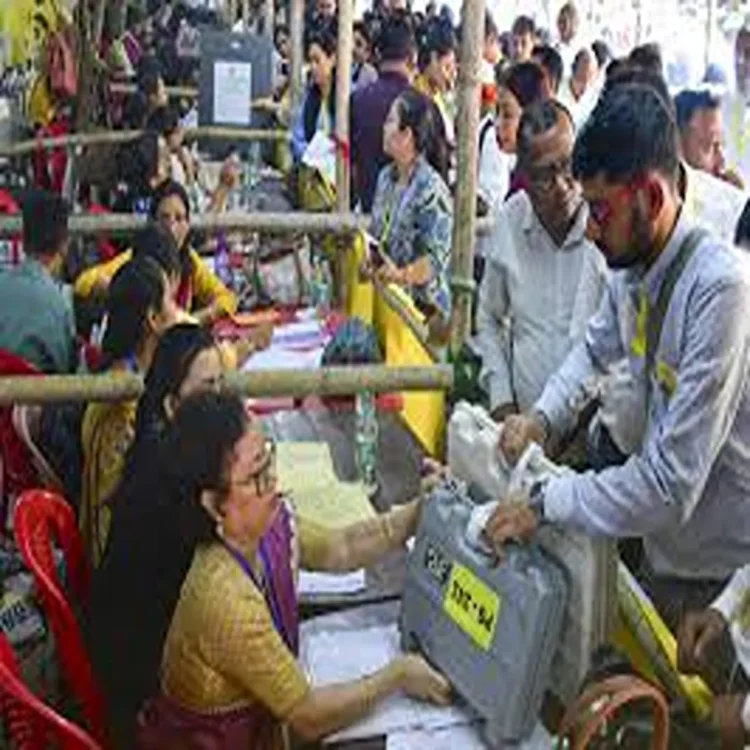
Elections – Voting is underway for the 126-member Assam Assembly, marking a crucial political moment for the northeastern state. The contest brings together a broad coalition of opposition parties against the ruling alliance led by the Bharatiya Janata Party, which is aiming to secure a third consecutive term in office.
Opposition Alliance Faces Strong NDA Challenge
The election sees a united opposition front comprising Congress, Raijor Dal, Assam Jatiya Parishad, CPI(M), CPI(ML), and the All Party Hill Leaders Conference. Together, they are attempting to counter the electoral strength of the BJP-led National Democratic Alliance. Within the NDA, key allies include the Asom Gana Parishad and the Bodoland People’s Front, both of which have played a role in shaping regional politics.
The ruling alliance has focused its campaign on issues such as development continuity, internal security, and addressing long-standing challenges like flooding. The BJP has also highlighted its stance on identifying and removing illegal immigrants, presenting it as a key governance priority.
Campaign Promises and Political Messaging
On the other hand, the Congress-led opposition has tried to shift attention toward governance accountability and social concerns. Among its prominent promises is delivering justice in a high-profile case involving musician Zubeen Garg within 100 days if voted to power. The party has also raised broader issues related to economic opportunities and administrative transparency.
Political observers believe the outcome in Assam may influence electoral strategies in other northeastern states. With elections scheduled in Manipur next year and in states such as Nagaland, Tripura, and Meghalaya in 2028, the results here could set the tone for regional alignments.
Leadership Shift Marks New Phase for BJP
This election marks the first time Himanta Biswa Sarma has led the BJP’s campaign in Assam. In previous elections held in 2016 and 2021, the party had contested under Sarbananda Sonowal’s leadership. Sarma’s tenure as chief minister has been a focal point of the campaign, with senior party leaders, including the Union Home Minister, urging voters to support his leadership once again.
The BJP has emphasized its governance record under Sarma, pointing to infrastructure projects, law and order improvements, and welfare initiatives as evidence of its performance.
Controversies Add Intensity to Campaign
The election campaign has not been without controversy. Allegations made by Congress leader Pawan Khera regarding the personal and financial matters of the chief minister’s family triggered legal action. Following a complaint, Assam Police initiated an investigation and conducted searches related to the claims. Authorities have stated that certain materials were recovered during the process, adding further attention to the issue during the campaign period.
Such developments have contributed to a highly charged political atmosphere, with both sides exchanging sharp criticism.
Key Candidates and Constituencies in Focus
A total of 722 candidates, including 59 women, are contesting across constituencies. Prominent figures in the fray include Chief Minister Himanta Biswa Sarma, state Congress president Gaurav Gogoi, and several cabinet ministers. Other notable candidates include opposition leader Debabrata Saikia, AIUDF chief Badruddin Ajmal, Raijor Dal leader Akhil Gogoi, and leaders from AGP, AJP, and UPPL.
Several constituencies are being closely watched due to their political significance. These include Guwahati Central, Dispur, Jorhat, Mariani, Sivasagar, and Tamulpur. The outcomes in these seats are expected to offer key insights into voter sentiment across urban and rural regions.
Broader Implications of the Election
Beyond Assam, the election is viewed as a test of political momentum in the Northeast. The BJP’s rise in the region began with its victory in Assam in 2016, and it has since expanded its influence. Meanwhile, the Congress has been attempting to regain its footing after losing ground over the years.
As voting progresses, attention will remain on turnout patterns, alliance performance, and the role of regional parties in shaping the final outcome. The results are expected to have lasting implications not only for Assam but for the broader political landscape of the Northeast.