
ElectionReform – Supreme Court Seeks Response on Biometric Voting Proposal
ElectionReform – The Supreme Court on Monday sought responses from the Election Commission of India, the central government, and various state authorities regarding a petition that calls for the introduction of biometric verification at polling stations. The proposal recommends the use of fingerprint and iris authentication to reduce electoral irregularities such as duplicate voting, impersonation, and the presence of fictitious voters.
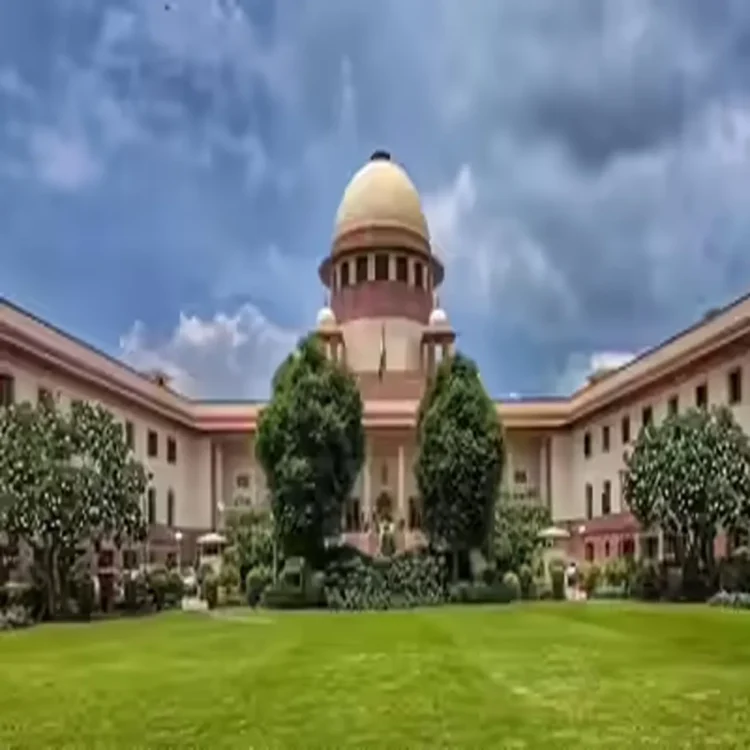
Court Examines Feasibility Ahead of Upcoming Elections
A bench led by Chief Justice of India Surya Kant, along with Justice Joymalya Bagchi, issued a notice on the matter, indicating that the issue requires careful consideration. The court observed that the practicality of implementing such a system before upcoming parliamentary or state assembly elections needs to be evaluated in detail.
The petition was submitted by Ashwini Kumar Upadhyay, a lawyer and political leader, who argued that existing gaps in the electoral process continue to allow malpractice. According to the plea, activities such as bribery, undue influence, and multiple voting undermine the integrity of elections and harm public trust.
Petition Calls for Biometric Authentication at Polling Booths
The petitioner has urged the Election Commission to consider deploying biometric systems at polling stations, drawing parallels with Aadhaar-based identification methods already recognized under electoral laws. The plea emphasizes that the Election Commission has sufficient constitutional authority under Article 324 to adopt such measures.
It further suggests that implementing fingerprint and iris-based verification would ensure that only legitimate and registered voters are allowed to cast their ballots. By doing so, the system could effectively eliminate fraudulent practices and reinforce the principle of one person casting one vote.
Strengthening Electoral Integrity Through Technology
According to the submission, biometric identifiers offer a reliable and tamper-resistant method of verifying voter identity. Unlike traditional identification systems, these methods are unique to each individual and cannot be easily duplicated or manipulated.
The petition highlights that incorporating such technology could significantly improve the accuracy and credibility of the electoral process. It argues that eliminating identity-related ambiguities would lead to a more transparent voting system and strengthen public confidence in democratic institutions.
Potential for Audit and Accountability Mechanisms
Another key point raised in the plea is the potential for creating secure digital records of voter authentication. These records, while maintaining voter secrecy, could serve as a verifiable audit trail. This would enable authorities to review and confirm that proper procedures were followed at each polling station.
Such a system could also act as a deterrent against malpractice. The presence of traceable and verifiable data would make it easier to identify irregularities and hold responsible parties accountable. Additionally, it would assist the Election Commission in conducting post-election audits more efficiently.
Broader Implications for Democratic Processes
The petitioner stressed that free and fair elections form a fundamental part of the constitutional framework. Any weakness in voter identification directly affects the legitimacy of election outcomes. Introducing biometric verification, the plea argues, would address these concerns and enhance the overall robustness of the electoral system.
The court’s notice marks the beginning of a broader legal and administrative discussion on whether advanced technology should play a larger role in safeguarding elections. The responses from the concerned authorities are expected to shed more light on the feasibility, challenges, and implications of such a move.