
Education – Delhi High Court Upholds Students’ Right to Peaceful Protest
Education – The Delhi High Court has reaffirmed that educational institutions must not suppress peaceful student protests simply because the views expressed differ from those of the administration. The observation came while the court set aside the suspension of a student from Dr. B.R. Ambedkar University, who had been penalized for her alleged involvement in a campus demonstration.
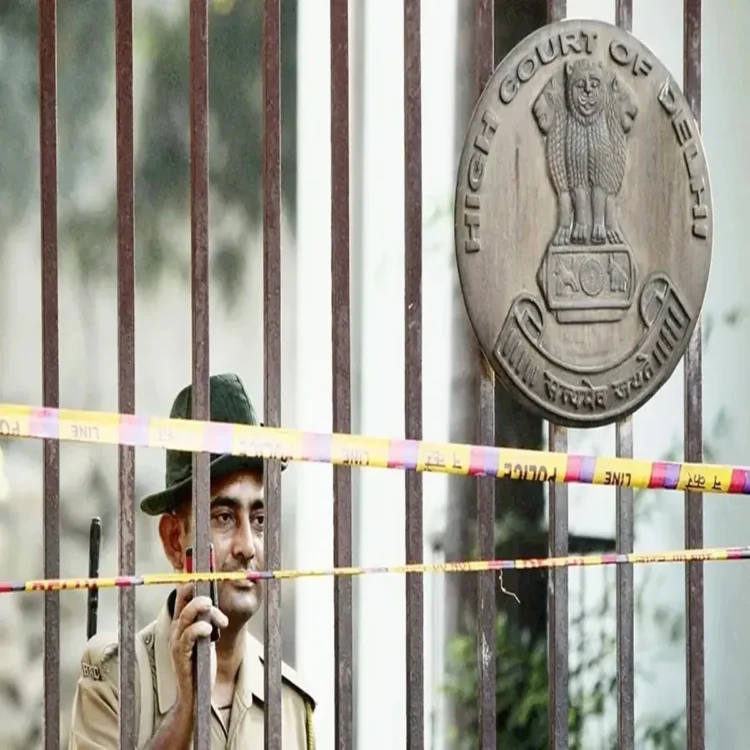
Court Emphasises Role of Universities in Encouraging Dialogue
Justice Jasmeet Singh noted that universities are meant to be spaces where open discussion and the exchange of ideas are encouraged. According to the court, an academic environment should allow students to engage freely with both scholarly and public issues. Peaceful dissent, the judge said, is an essential part of such an atmosphere and contributes to intellectual growth.
The court highlighted that institutions that demand unquestioned compliance while discouraging criticism risk failing in their broader purpose. Instead of silencing opposing views, universities should foster constructive responses to differing opinions.
Suspension Orders Challenged by Student
The case arose from a petition filed by the student against two disciplinary orders issued in June and August 2025, which ultimately led to her removal from the university. She argued that the action taken against her was unjust and disproportionate.
After reviewing the matter, the court found that the punishment imposed did not align with the nature of the alleged conduct. It observed that expelling a student for participating in a peaceful protest was excessive and not in keeping with the principles of fairness.
Universities Seen as Institutions of Public Importance
In its ruling, the court described universities as bodies that serve a vital public function by shaping future citizens. As such, they carry a responsibility to nurture independent thinking, curiosity, and the ability to question established ideas.
The judge made it clear that restricting speech or peaceful expression solely because it conflicts with administrative views is not acceptable. Students, the court said, must be given the freedom to express disagreement, provided it is done in an orderly and non-violent manner.
Background of the Dispute
The issue stemmed from allegations involving ragging and bullying on campus. The student claimed she faced serious harassment, including gender-insensitive remarks, which significantly affected her mental well-being and led to self-harm. Following the incident, she took part in protests demanding accountability and action.
The university, however, argued that her participation in a sit-in demonstration violated an earlier court directive. Despite this, the High Court concluded that the disciplinary response—expulsion—was not justified under the circumstances.
Peaceful Dissent Recognised as Part of Learning
Reiterating its stance, the court stated that disagreement expressed calmly and without disruption should not be viewed as misconduct. On the contrary, such actions reflect the core values of academic life, where debate and discussion are encouraged.
The judgment underlines the importance of protecting students’ rights while maintaining institutional discipline. It sends a broader message that educational spaces must remain open to diverse viewpoints and constructive dissent.
In doing so, the court has reinforced the idea that universities are not just centres for formal education but also platforms for developing critical thinking and democratic values.