
Economy – Delhi’s Wealth Highlights Sharp Gap Between Income and Living Conditions
Economy – Delhi continues to rank among India’s most prosperous regions when measured by per capita income, placing just behind Sikkim and Goa, and slightly ahead of Chandigarh. These figures underline the capital’s strong economic standing, even when compared with larger states such as Telangana and Karnataka. On paper, Delhi appears firmly positioned among the country’s top-performing administrative regions.
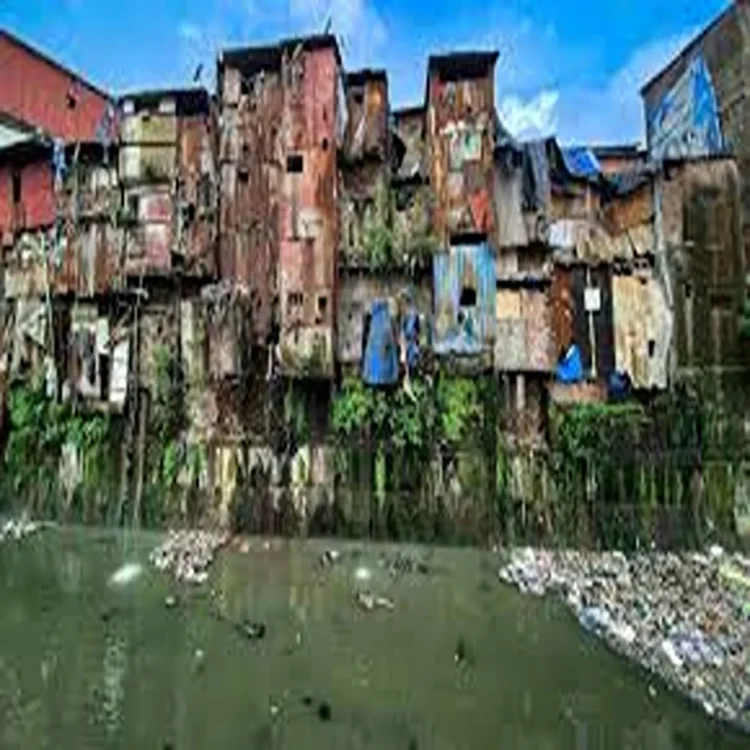
Economic Strength Masks Daily Struggles
Despite its financial advantage, life in Delhi often tells a different story. The city presents a complex contrast—economically strong but difficult to navigate on a daily basis. Compared to smaller and better-organised regions like Sikkim, Goa, and Chandigarh, Delhi struggles to deliver a comfortable urban experience. The gap between income levels and actual living standards is increasingly visible.
Smaller Regions Show Better Urban Management
Sikkim, Goa, and Chandigarh benefit from smaller populations and geographic size, making governance and service delivery more efficient. While these regions are not without challenges, they have managed to maintain relatively better systems of cleanliness, planning, and civic discipline. Delhi, despite having greater resources, continues to face persistent urban management issues that affect everyday life.
Seasonal Pollution Disrupts Normal Life
One of the most pressing concerns in Delhi is the recurring air pollution crisis that intensifies between Diwali and Holi. For several months each year, air quality deteriorates to hazardous levels, disrupting daily routines. Schools often shut down, outdoor activities are limited, and residents are advised to remain indoors. This recurring environmental emergency raises serious questions about the city’s overall livability.
Civic Behaviour Adds to Urban Challenges
Beyond environmental concerns, the city faces deeper issues related to public behaviour. A widespread lack of civic responsibility contributes significantly to the deterioration of shared spaces. Littering, traffic violations, illegal construction, and encroachment on public areas reflect a broader mindset problem. When citizens disengage from maintaining their surroundings, governance efforts alone struggle to bring lasting change.
Comparison Highlights Quality of Life Gap
In contrast, Sikkim has built a reputation for environmental awareness and cleanliness despite limited resources. Goa offers a more relaxed and manageable pace of life, even with growing tourism pressures. Chandigarh, known for its planned design, demonstrates how structured urban development and rule enforcement can improve daily living conditions. These regions show that effective management and public cooperation can significantly enhance quality of life.
Capital City Faces Unique Pressures
Delhi’s position as the national capital adds layers of complexity. It serves as the political, economic, and administrative hub of the country, attracting large populations and intense activity. While these factors make governance more demanding, they cannot justify ongoing inefficiencies. A city with such high income levels is expected to maintain equally high living standards.
Government Acknowledges Key Issues
Recent policy discussions have highlighted both Delhi’s economic achievements and its ongoing challenges. Authorities have pointed to revenue growth, infrastructure development, and welfare initiatives as indicators of progress. At the same time, concerns around pollution, sanitation, and urban management have also been acknowledged, signalling awareness at the policy level.
Implementation Remains the Core Challenge
However, identifying problems is only the first step. The real difficulty lies in consistent and effective implementation. Measures such as pollution control devices, penalties, and regulations can provide temporary relief, but they are not enough without sustained enforcement. The gap between policy decisions and ground-level execution continues to weaken progress.
Need for Behavioural and Structural Change
Improving Delhi’s condition will require both administrative action and a shift in public attitude. Stronger enforcement of rules, combined with greater civic responsibility, is essential. Without this dual approach, recurring issues such as waste accumulation, traffic violations, and encroachments are likely to persist.
Moving Beyond Economic Rankings
For Delhi to truly match its economic status, it must aim beyond income rankings and focus on improving livability. Cleaner air, better infrastructure management, and disciplined urban behaviour are critical. Until these changes take root, the city’s high income levels will continue to stand in contrast with the everyday challenges faced by its residents.