
Diplomacy – India Pushes Global Reform Agenda Amid West Asia Crisis Talks
Diplomacy – The intensifying crisis in West Asia and its far-reaching economic consequences dominated high-level diplomatic engagements as India’s External Affairs Minister S Jaishankar held bilateral discussions with key global leaders during the G7 Foreign Ministers’ Meeting in France.
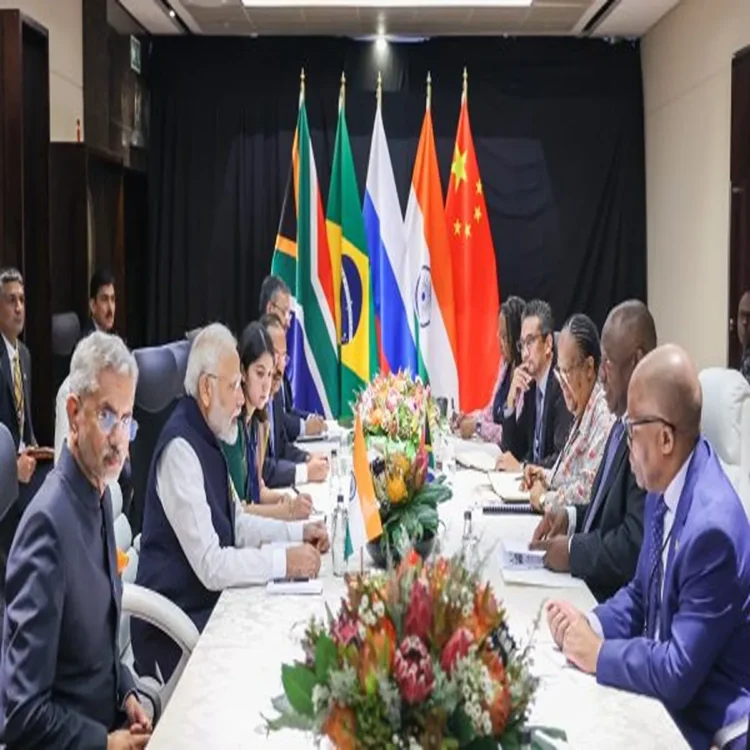
Strategic Talks with United States and Canada
Jaishankar met US Secretary of State Marco Rubio on the sidelines of the summit, describing the interaction as constructive and timely. The meeting reflected ongoing coordination between India and the United States as tensions linked to the West Asia conflict continue to evolve. Notably, this marked their second engagement since hostilities escalated on February 28, indicating sustained diplomatic dialogue between the two nations.
In a separate meeting, Jaishankar held discussions with Canadian Foreign Minister Anita Anand. Both leaders reviewed recent developments in India-Canada relations and assessed progress following earlier high-level exchanges. The talks covered a range of issues, including trade partnerships, developments in the Middle East, and collaboration in key sectors such as agriculture, education, and critical minerals.
Focus on Energy Routes and Maritime Security
A major concern at the G7 meeting was the security of the Strait of Hormuz, a crucial global energy passage through which nearly one-fifth of the world’s oil and liquefied natural gas supplies are transported. Recent disruptions in shipping, triggered by Iran’s actions to limit access to the route, have led to a noticeable rise in global energy prices.
This situation has intensified international efforts to ensure that the waterway remains operational and secure. Delegates at the meeting emphasized the importance of safeguarding maritime routes to prevent further economic instability and supply chain disruptions.
India Highlights Concerns of Developing Nations
The G7 grouping, which includes leading global economies along with the European Union, convened amid growing anxiety over the wider economic impact of the crisis. India used this platform to amplify the concerns of developing nations, often referred to as the Global South.
Jaishankar stressed the urgent need for reforms in global governance institutions, particularly the United Nations Security Council. He pointed out that existing structures no longer adequately reflect current geopolitical realities and called for changes that would ensure fairer representation.
He also highlighted the need to improve the efficiency of peacekeeping operations and strengthen humanitarian supply chains. According to India, developing countries are bearing a disproportionate burden of the crisis, particularly in areas such as rising energy costs, fertilizer shortages, and food security challenges.
Expanding India’s Role in Global Affairs
India’s participation in the meeting, alongside other invited nations such as Saudi Arabia, South Korea, and Brazil, underscored its growing role in shaping global discussions. New Delhi’s approach combined immediate priorities—such as ensuring stable energy flows and maritime security—with a long-term vision of reforming international institutions.
Observers view India’s engagement as part of a broader effort to position itself as a bridge between developed and developing nations. By addressing both economic and geopolitical challenges, India is seeking to strengthen its influence in an increasingly complex global landscape.
India Responds to Remarks from Pakistan
Separately, India issued a strong response to remarks reportedly made by Pakistan Army chief Asim Munir concerning the Shia community. Addressing the issue during a regular media briefing, Ministry of External Affairs spokesperson Randhir Jaiswal described the comments as reflective of systemic discrimination against minorities in Pakistan.
India’s response highlighted concerns over the treatment of minority communities and reiterated its stance on the importance of protecting fundamental rights and inclusivity.